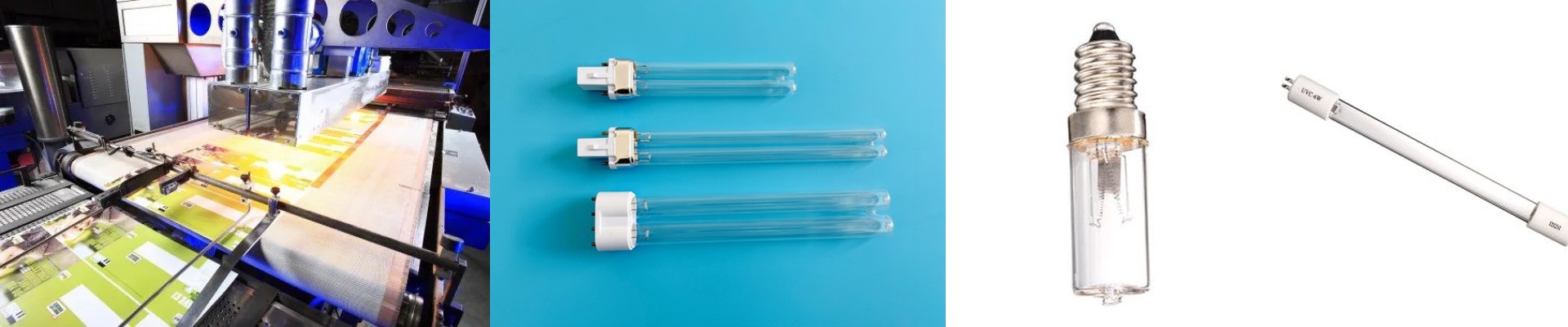
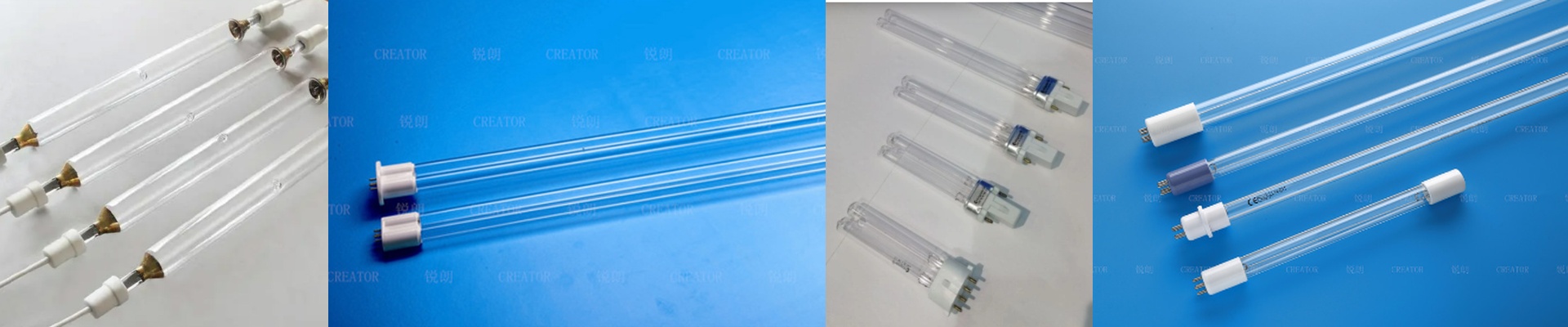
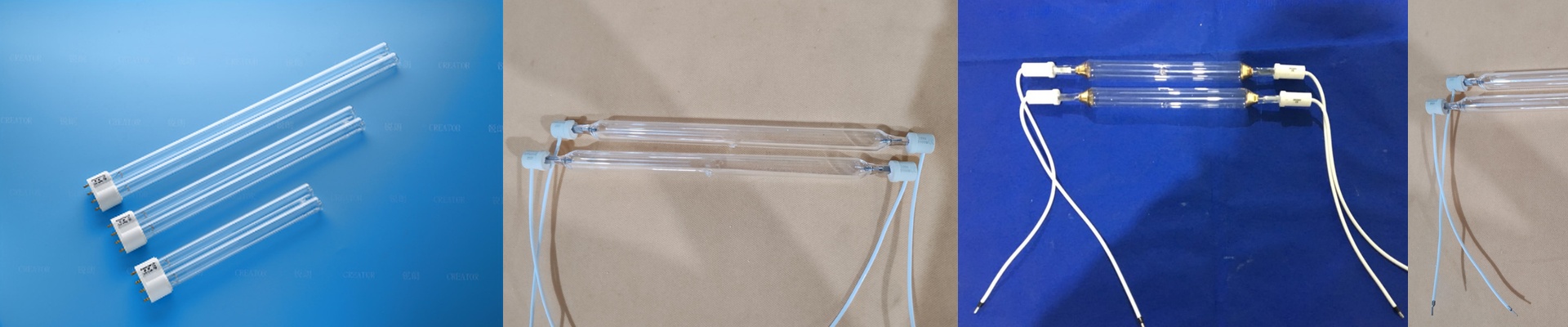
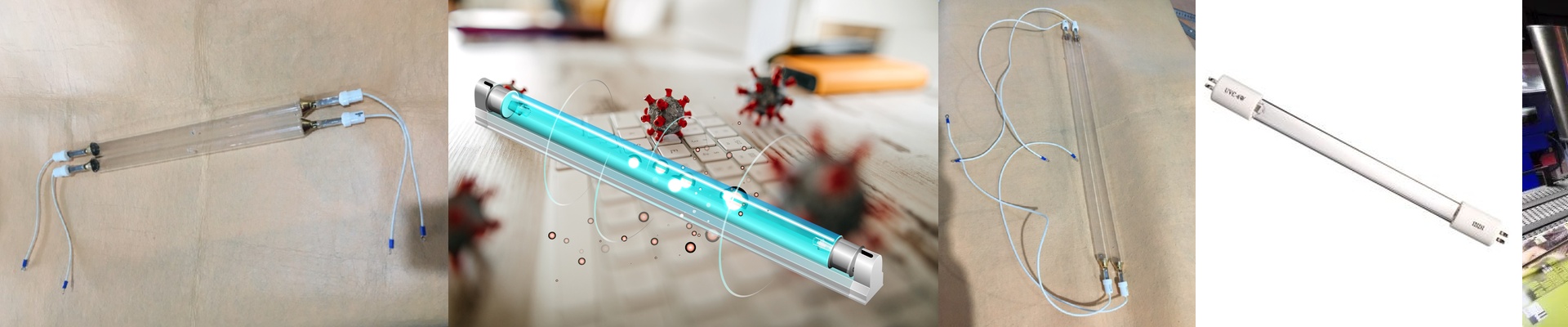
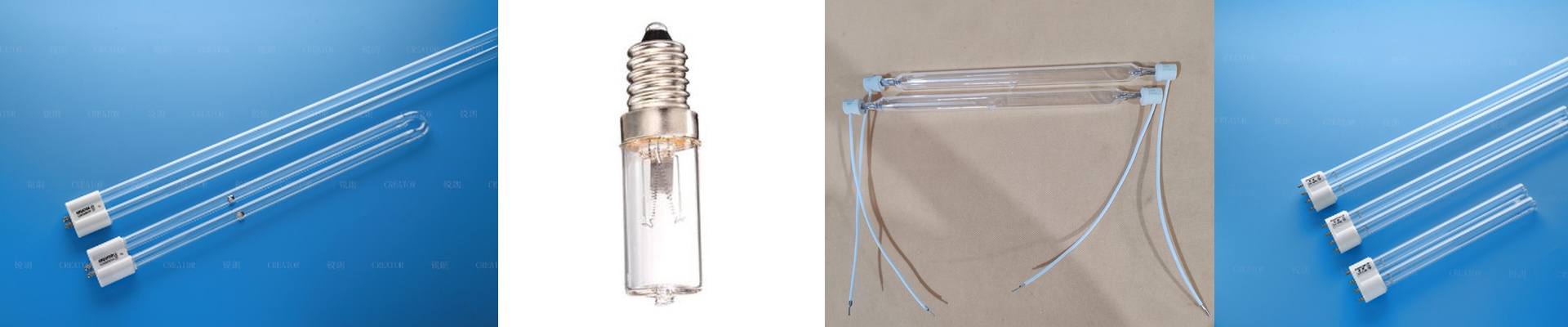

On an offset press pushing 8,000–12,000 sheets per hour, you’ve got a curing window measured in milliseconds. Miss the required UV energy density, and the ink stays tacky. Delivery piles get marked. The next pass turns into scrap. We built our high-pressure mercury UV lamp system around that reality: stable spectral output and repeatable peak irradiance, so the ink cross-links on the press—not after. What actually matters, technically This is a high-pressure mercury vapor lamp engineered for offset printing. It delivers a broad UV spectrum with strong output at 365 nm, plus usable energy at 313 nm and 436 nm. That multi-line profile lines up with the photoinitiators in typical UV offset inks, giving you surface cure and through-cure without scorching the substrate. Peak irradiance is tuned to clear the ink’s critical energy density, typically 400–800 mJ/cm² depending on film thickness. A dichroic-coated quartz envelope and high-reflectivity elliptical reflectors focus the output into the print gap—less wasted UV, less heat dumped onto the sheet. Ozone-free operation comes from the envelope chemistry and an optimized arc tube design that suppresses the 254 nm line. In the right voltage window, we see stable output for 5,000+ hours, with irradiance dropping less than 5%. Why it holds up on press Offset presses don’t have time to wait around. They need a curing curve that matches the run, not a lamp that forces you to back off speed. Our mercury lamp keeps curing consistent at full rated speeds, so you keep throughput and trim make-readies. Long life and fewer lamp changes mean less downtime and fewer swaps to schedule around. Add in ozone-free operation, and you get cleaner shop air and ventilation that’s easier to design—less complexity, fewer headaches. Here are the details you can’t skip Matching the lamp to the machine isn’t optional. Offset presses vary in lamp housing length, arc gap, and reflector geometry, so the lamp has to be specified to the exact model and cure module. Expect tight tolerances on voltage stability. Line fluctuations shorten lamp life and shift the spectral balance. And while the lamp is ozone-free, the curing zone still needs proper extraction—heat and any volatiles from the ink need to be pulled out. Plan airflow around the lamp ends and reflector access points. If you don’t, you’ll invite hot spots and uneven curing.