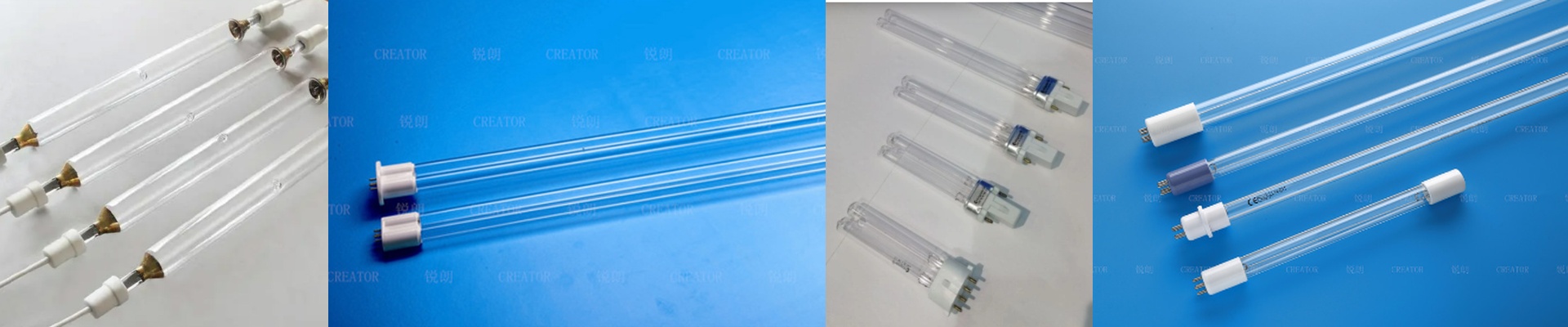
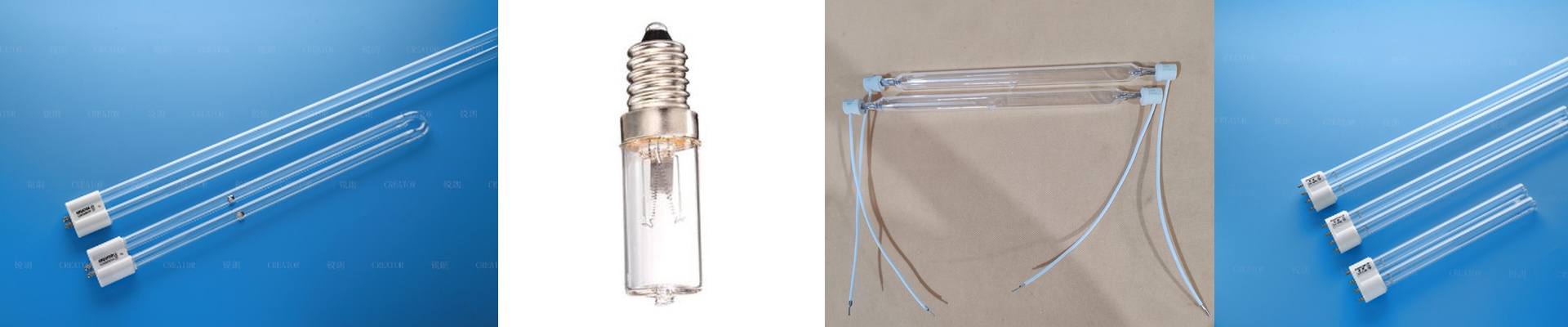
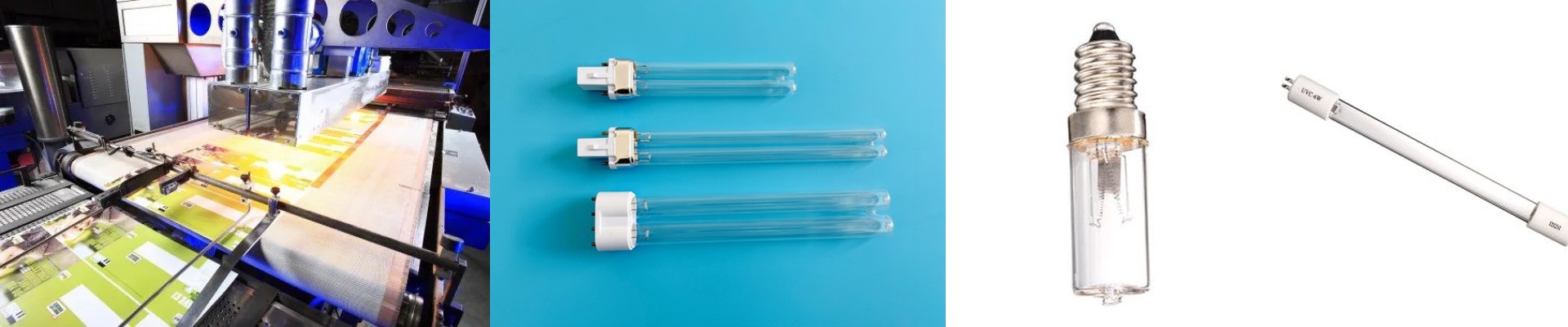
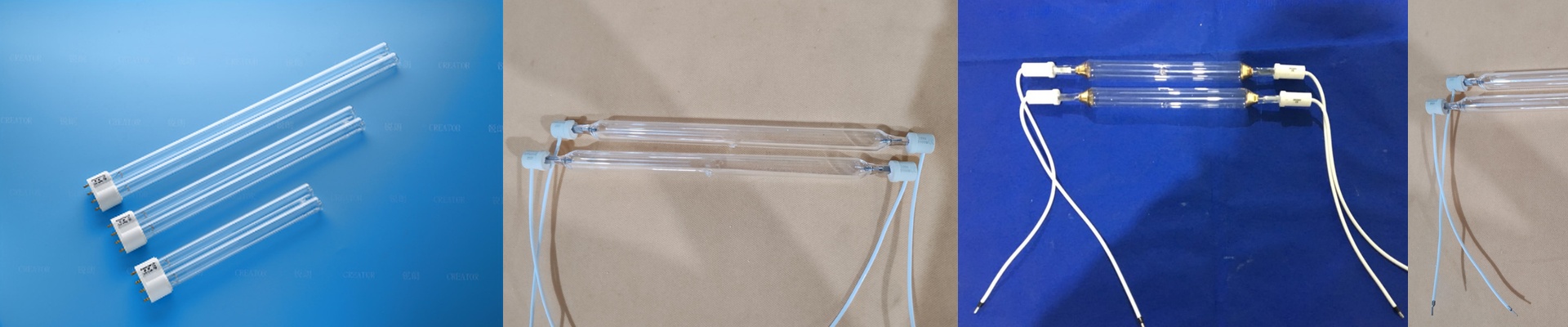

On an offset press pushing 8,000–12,000 sheets per hour, you’ve got a curing window measured in milliseconds. Miss the required UV energy density, and the ink stays tacky. Delivery piles get marked. The next pass turns into scrap. We built our high-pressure mercury UV lamp system around that reality: stable spectral output and repeatable peak irradiance, so the ink cross-links on the press—not after. What actually matters, technically This is a high-pressure mercury vapor lamp engineered for offset printing. It delivers a broad UV spectrum with strong output at 365 nm, plus usable energy at 313 nm and 436 nm. That multi-line profile lines up with the photoinitiators in typical UV offset inks, giving you surface cure and through-cure without scorching the substrate. Peak irradiance is tuned to clear the ink’s critical energy density, typically 400–800 mJ/cm² depending on film thickness. A dichroic-coated quartz envelope and high-reflectivity elliptical reflectors focus the output into the print gap—less wasted UV, less heat dumped onto the sheet. Ozone-free operation comes from the envelope chemistry and an optimized arc tube design that suppresses the 254 nm line. In the right voltage window, we see stable output for 5,000+ hours, with irradiance dropping less than 5%. Why it holds up on press Offset presses don’t have time to wait around. They need a curing curve that matches the run, not a lamp that forces you to back off speed. Our mercury lamp keeps curing consistent at full rated speeds, so you keep throughput and trim make-readies. Long life and fewer lamp changes mean less downtime and fewer swaps to schedule around. Add in ozone-free operation, and you get cleaner shop air and ventilation that’s easier to design—less complexity, fewer headaches. Here are the details you can’t skip Matching the lamp to the machine isn’t optional. Offset presses vary in lamp housing length, arc gap, and reflector geometry, so the lamp has to be specified to the exact model and cure module. Expect tight tolerances on voltage stability. Line fluctuations shorten lamp life and shift the spectral balance. And while the lamp is ozone-free, the curing zone still needs proper extraction—heat and any volatiles from the ink need to be pulled out. Plan airflow around the lamp ends and reflector access points. If you don’t, you’ll invite hot spots and uneven curing.
บนเครื่องพิมพ์ออฟเซตที่ป้อนแผ่นได้ 8,000–12,000 แผ่นต่อชั่วโมง จะมีช่วงเวลาการบ่มที่วัดได้เป็นมิลลิวินาที หากพลาดความหนาแน่นพลังงาน UV ที่กำหนด หมึกจะยังคงเหนียว ชั้นหมึกที่ส่งออกจะถูกทำเครื่องหมาย และรอบถัดไปจะกลายเป็นของเสีย ระบบหลอด UV ไฮโดรเมอร์แรงดันสูงของเราถูกออกแบบโดยยึดตามข้อเท็จจริงนี้: การปล่อยสเปกตรัมที่เสถียรและความเข้มแสงสูงสุดที่ทำซ้ำได้ เพื่อให้หมึกเกิดการเชื่อมโยงกันบนเครื่องพิมพ์ ไม่ใช่หลังจากนั้น
สิ่งที่สำคัญจริง ๆ ในเชิงเทคนิค
นี่คือหลอดไอปรอทแรงดันสูงที่ออกแบบมาเพื่อการพิมพ์ออฟเซตโดยเฉพาะ ให้สเปกตรัม UV กว้างพร้อมการปล่อยแสงที่เข้มข้นที่ 365 nm และพลังงานที่ใช้ได้ที่ 313 nm และ 436 nm โปรไฟล์หลายเส้นนี้สอดคล้องกับสารกระตุ้นการเกิดปฏิกิริยาในหมึกออฟเซต UV ทั่วไป ทำให้เกิดการบ่มบนผิวและผ่านเนื้อหมึกโดยไม่ทำให้วัสดุรองรับเสียหายจากความร้อน
ความเข้มแสงสูงสุดถูกปรับให้ผ่านระดับความหนาแน่นพลังงานสำคัญของหมึก ซึ่งโดยทั่วไปอยู่ที่ 400–800 mJ/cm² ขึ้นอยู่กับความหนาของฟิล์มซ้อนห่อ ซองควอตซ์ที่เคลือบด้วยไดโครอิคและกระจกสะท้อนแสงแบบวงรีที่มีค่าการสะท้อนสูงจะโฟกัสแสงไปยังช่องว่างระหว่างแผ่นพิมพ์ เพื่อลดการสูญเสีย UV และการถ่ายเทความร้อนลงบนแผ่นน้อยลง
การทำงานปราศจากโอโซนเกิดจากเคมีภัณฑ์ของซองและการออกแบบท่ออาร์คที่ได้รับการปรับแต่งเพื่อลดเส้นแสงที่ 254 nm ในช่วงแรงดันไฟฟ้าที่เหมาะสม เราพบว่าการปล่อยแสงมีความเสถียรยาวนานกว่า 5,000 ชั่วโมง โดยความเข้มแสงลดลงไม่เกิน 5%
ทำไมจึงทนทานบนเครื่องพิมพ์
เครื่องพิมพ์ออฟเซตไม่มีเวลารอ เครื่องต้องการเส้นโค้งการบ่มที่ตรงกับความเร็วในการทำงาน ไม่ใช่หลอดไฟที่บังคับลดความเร็ว หลอดไอปรอทของเรารักษาการบ่มให้สม่ำเสมอที่ความเร็วเต็มกำหนด ทำให้คุณรักษาผลผลิตและลดเวลาการเตรียมเครื่อง
อายุการใช้งานที่ยาวนานและจำนวนครั้งการเปลี่ยนหลอดที่น้อยลง หมายถึงเวลาหยุดเครื่องน้อยลงและไม่ต้องวางแผนเปลี่ยนหลอดบ่อย การทำงานที่ปราศจากโอโซนช่วยให้สภาพอากาศในโรงงานสะอาดขึ้นและการออกแบบระบบระบายอากาศง่ายขึ้น ลดความซับซ้อนและปัญหาในการจัดการ
รายละเอียดที่ไม่ควรมองข้าม
การจับคู่หลอดกับเครื่องไม่ใช่ตัวเลือก เครื่องพิมพ์ออฟเซตมีความแตกต่างในเรื่องความยาวที่อยู่อาศัยของหลอด ช่องว่างอาร์ค และรูปทรงกระจกสะท้อน ดังนั้นหลอดต้องระบุให้ตรงกับรุ่นและโมดูลบ่มอย่างแม่นยำ
คาดหวังความเคร่งครัดในความเสถียรของแรงดันไฟฟ้า การผันผวนของแรงดันไฟฟ้าทำให้อายุหลอดสั้นลงและเปลี่ยนสมดุลสเปกตรัม แม้ว่าหลอดจะไม่ปล่อยโอโซน แต่ยังต้องมีระบบดูดอากาศที่เหมาะสมในโซนบ่ม เพื่อดึงความร้อนและสารระเหยจากหมึกออกไป
วางแผนการไหลของอากาศรอบปลายหลอดและจุดเข้าถึงกระจกสะท้อน หากไม่ทำเช่นนั้น จะเกิดจุดร้อนและการบ่มไม่สม่ำเสมอได้