Introduction
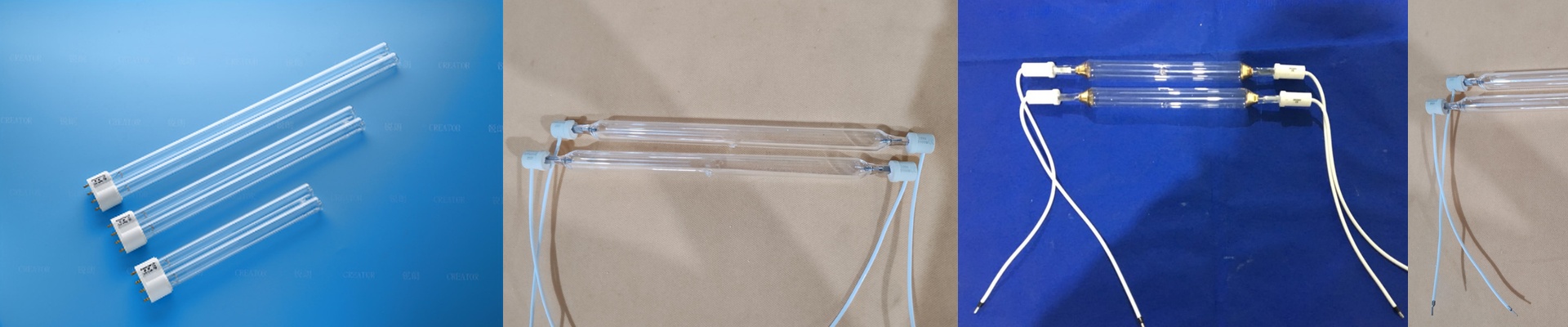
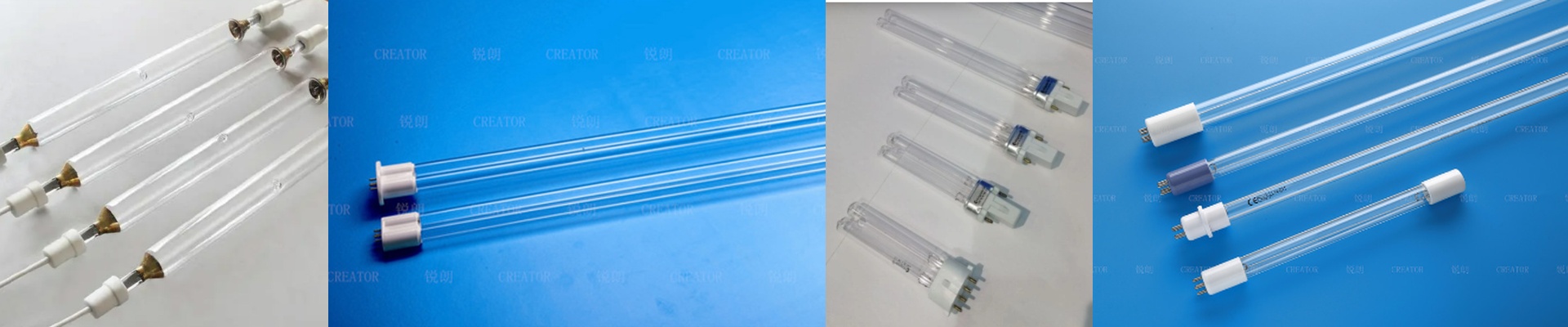
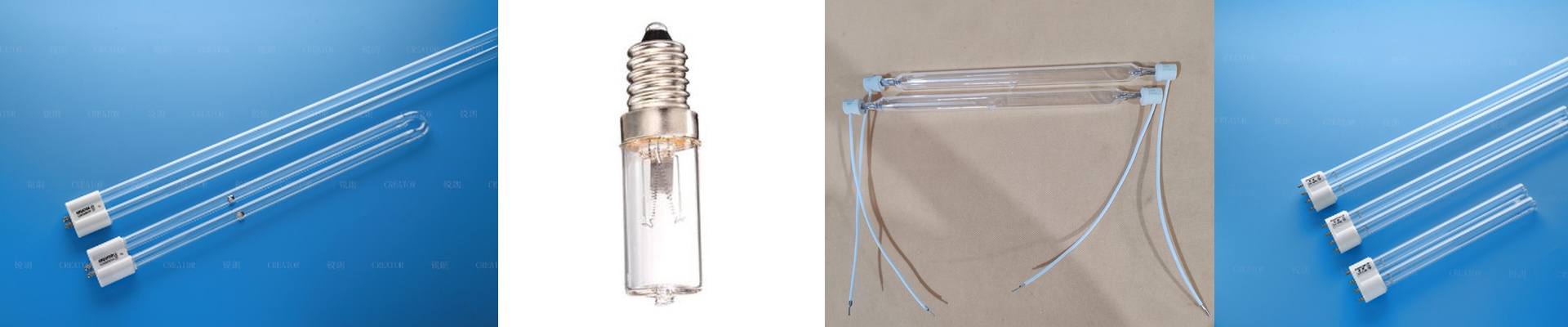
We built the Quartz UVC T5 germicidal lamp for serious industrial work. And on the shop floor, one question always comes up: Why does the cooling design make such a huge difference in power stability and how long the lamp lasts? It comes down to the basics of how high-intensity UVC is made.
Technical Deep-Dive
The T5 format uses a 15mm tube. It’s compact, which is great because it concentrates the arc into a small space. That concentration is what gives you the UVC power you need. But it also creates a ton of heat. Keeping the arc temperature in a tight range is what keeps the power steady. If the cooling isn’t up to the job, the tube temperature shifts. That changes the electrical resistance, and the output starts to drop.
Material and Design
We use high-purity quartz because it can handle the shock of heating up and cooling down without cracking. It also transmits UVC well and stays strong even at high temperatures. The cooling system—whether it’s forced air or liquid—pulls heat off the tube surface and keeps the gas inside at a stable temperature. That control stops runaway heat, which is what burns out filaments and cuts a lamp’s life short.
Application and Benefits
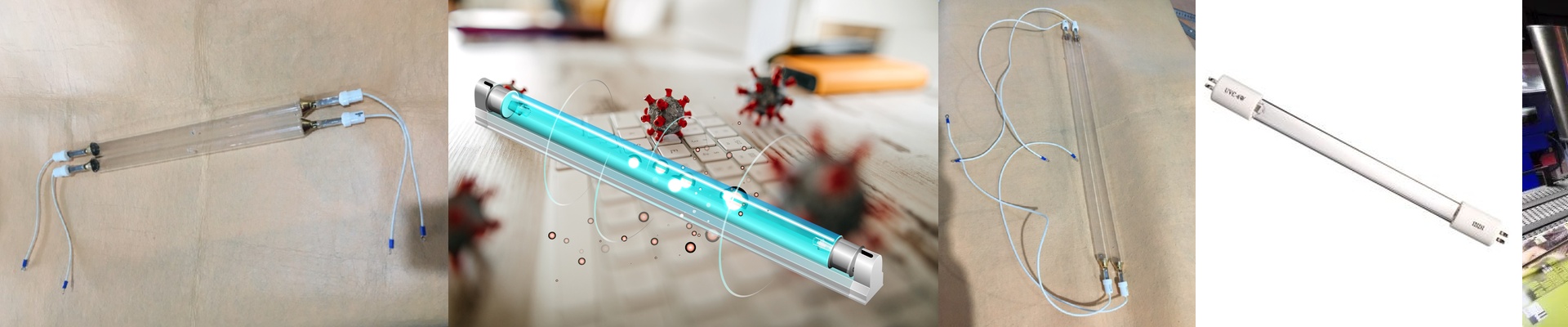
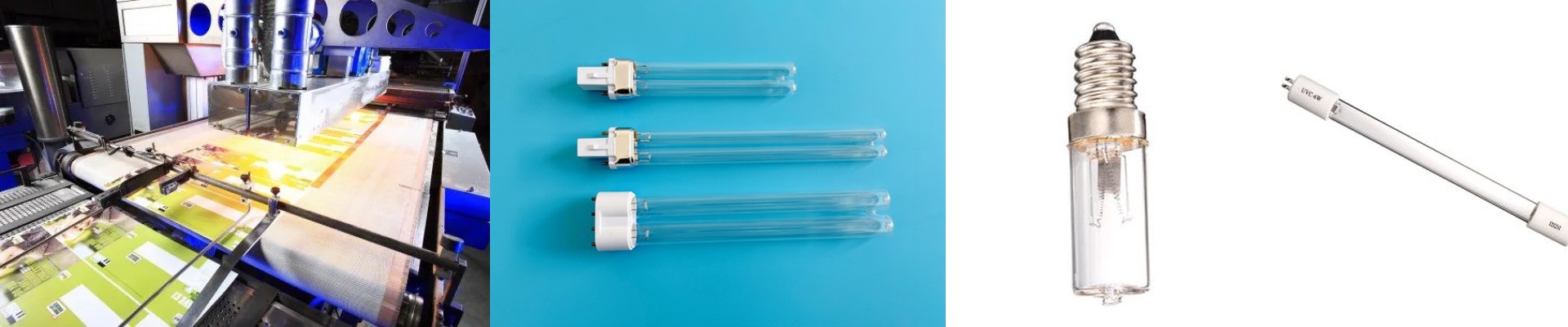
In the real world, this lamp runs at high power for long shifts. Stable power means you get consistent germicidal dosing, every time. And because the cooling keeps the lamp from overheating, the performance stays repeatable, shift after shift. Here’s the trade-off you need to own: a high-output T5 lamp packs a lot of power into a small space. So your machine’s cooling has to match that. If the cooling is undersized, you’ll see power drift and the lamp will fail early. But if you spec the cooling correctly, you get reliable output and a much longer service life.