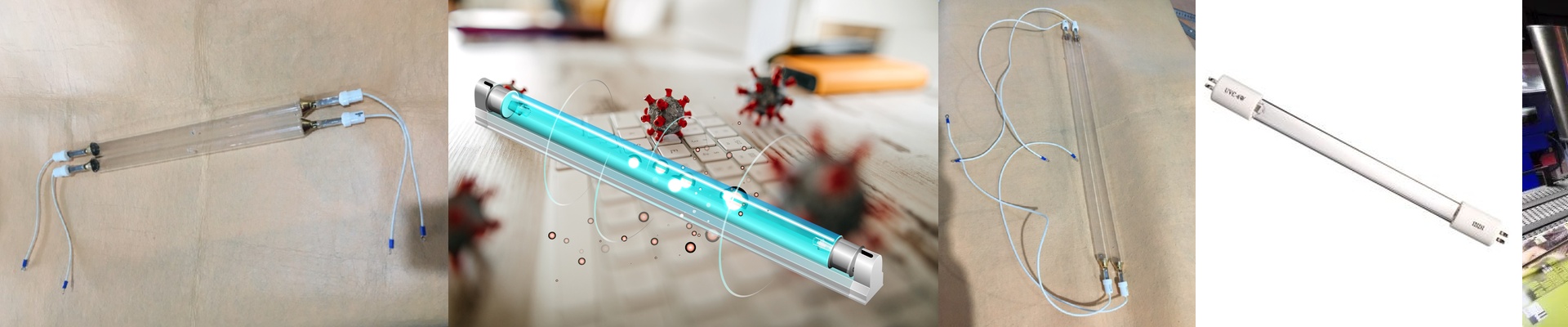
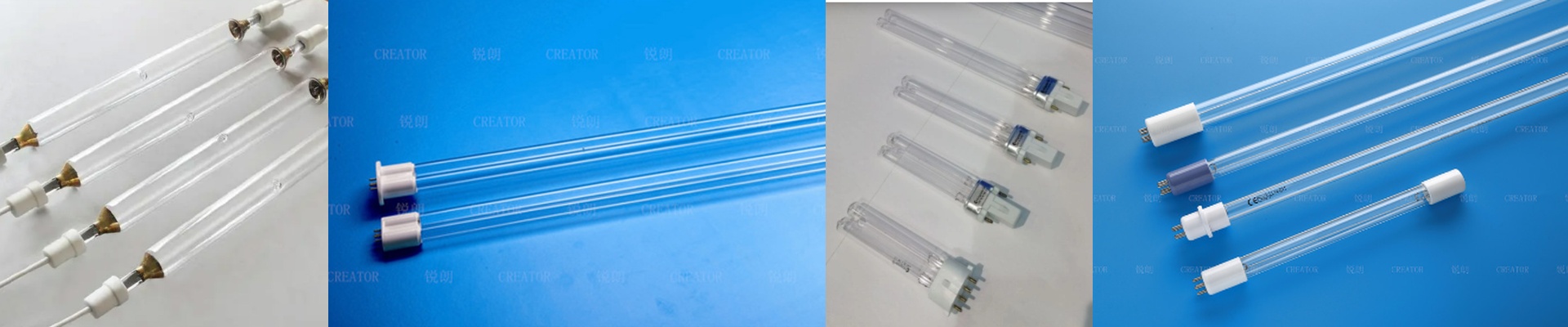
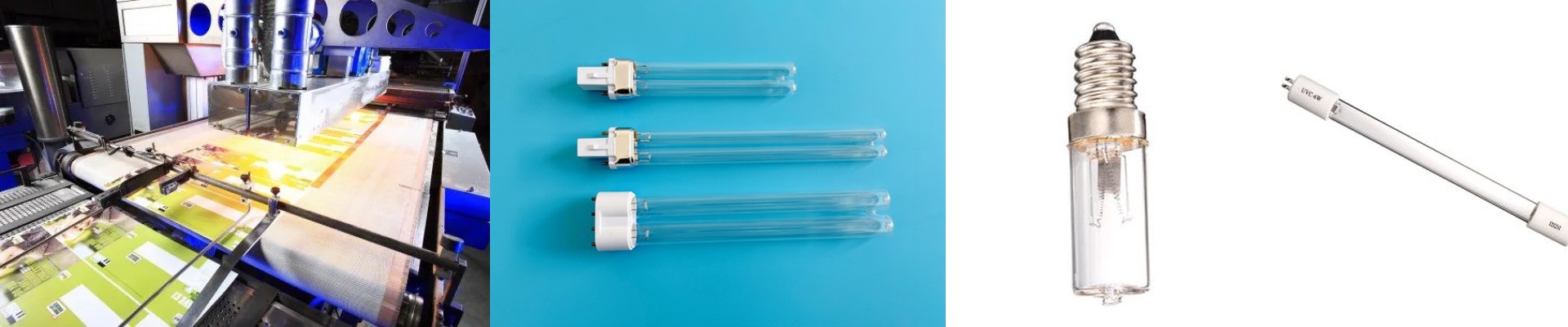
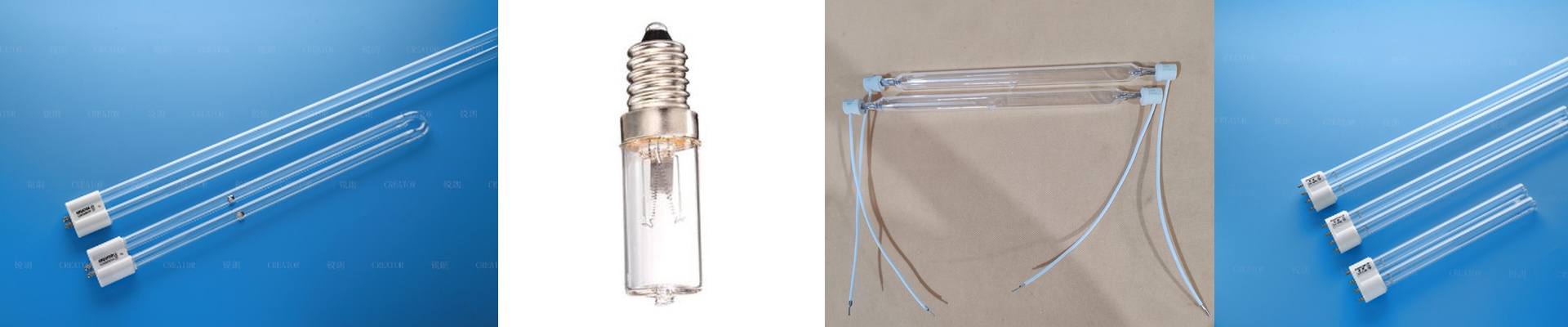
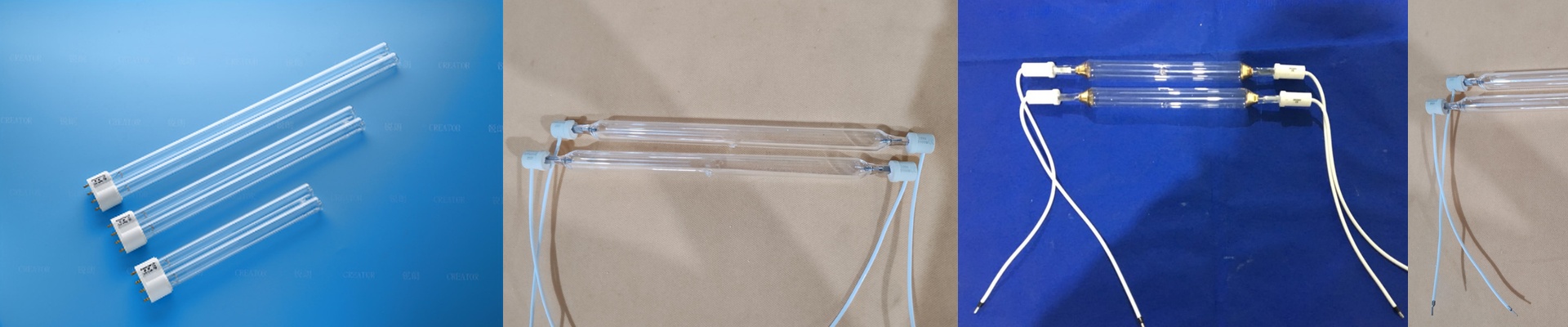
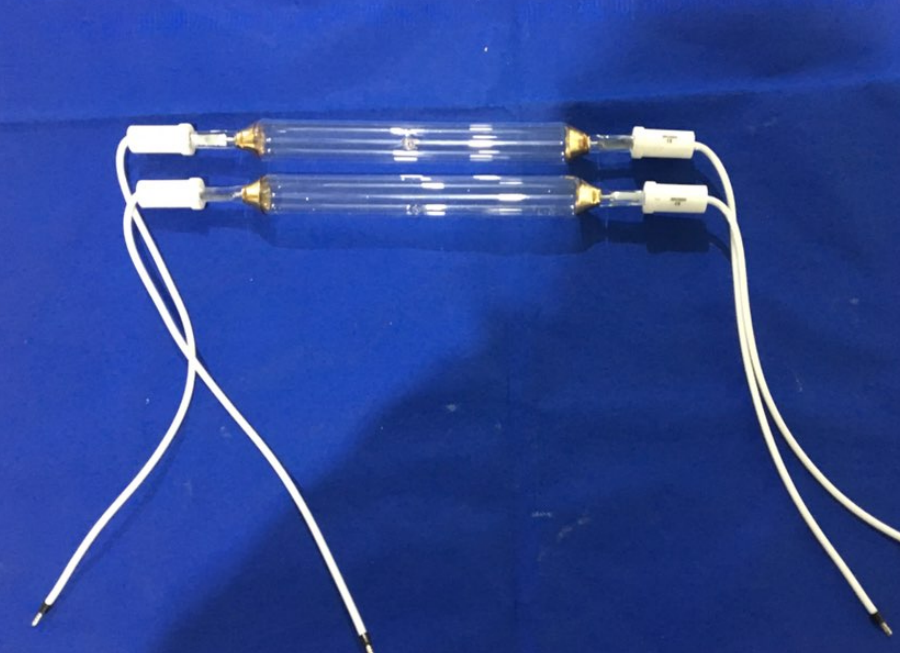
On a packaging line that ships worldwide, every carton carries a hidden variable: microbial load. This isn’t hypothetical. One contaminated seal, a mold spore trapped in foam, bacteria on protective wrap—give it weeks at sea and the whole load can go sideways. Chemical fogging leaves residues and eats up dwell time. Heat tunnels warp sensitive parts. What the plant needs is a sterilization step that lives inside the packaging workflow, not in a separate area, and that kills microbes without wrecking the product or the packaging materials. That’s where a 254nm UV sterilization lamp earns its keep on the line. The physics are straightforward: at 254nm, UVC photons get absorbed by microbial DNA and RNA, forming pyrimidine dimers that stop replication. The payoff is sterilization with no heat, no chemicals, and no residues.
What actually matters, technically
A 254nm sterilization lamp lives and dies on real-world specs, not marketing. It’s about spectral output, delivered dose, and how the system integrates.
- Spectral distribution: A low-pressure mercury vapor lamp gives you a tight peak at 254nm—the primary germicidal wavelength. That 254nm output is what drives photon absorption in nucleic acids. Secondary visible and longer UV lines are minimized so the energy goes where it needs to.
- Delivered dose: Sterilization is dose-dependent, measured in mJ/cm². You need enough irradiance (mW/cm²) at the target surface, multiplied by exposure time, to clear the inactivation threshold for the organisms you’re controlling. Dose depends on distance squared, reflector geometry, lamp output, and line speed.
- Peak irradiance and optical design: A well-built lamp system uses an ozone-free quartz envelope and a reflector with high UVC reflectivity—often protected by a dichroic coating to shape the output. The reflector controls the angular distribution of irradiance so the target plane gets uniform dose, not a hot spot.
- Lamp life and output stability: Output drops as hours accumulate, thanks to electrode wear and mercury depletion. Spec lamps with end-of-life defined as the point where output falls below the required irradiance at the target plane. In continuous operation, plan replacements around the lamp’s output degradation curve, not some vague “long life” promise.
- Electrical and thermal parameters: Input power, arc length, and operating temperature dictate how it integrates. The lamp has to run at stable power without cooking adjacent materials. Ballast compatibility and connector interfaces must match the packaging machine’s control cabinet and conveyor retrofit points.
Why it fits this job
Packaging lines that ship internationally need two certainties: sterilization efficacy and packaging integrity. A 254nm UV sterilization lamp delivers both by sitting right in the workflow and keeping pace with modern packaging.
- It stays in-line without killing throughput: UVC treatment happens in seconds. Mount the lamp above or beside the conveyor and you’re not adding dwell tanks, chemical exposure zones, or heat tunnels that slow everything down. Set line speed to hit the required dose, not to wait on a chemical cycle.
- It preserves material integrity: Unlike heat, 254nm UVC won’t warp plastics, delaminate labels, or degrade heat-sensitive components. It also doesn’t leave residues that can mess with adhesives, coatings, or downstream printing steps.
- It makes the process repeatable and auditable: With defined lamp power, reflector geometry, and conveyor spacing, you can calculate delivered dose at the target plane. Throw in a UV radiometer to verify irradiance periodically, and you’ve got a documented, repeatable sterilization process that meets compliance expectations for cross-border shipments.
- It lowers the risk of recalls and returns: Microbial spoilage during transit is expensive. UVC treatment at the packaging stage reduces microbial load on seals, films, and protective packaging, cutting the odds of off-spec shipments that show up with mold, odor, or microbial contamination. In practice, the flow is clean. Product enters the packaging cell. Materials are formed and sealed. The sealed unit passes through the UVC exposure zone, where the 254nm lamp hits the target dose. It comes out dry, residue-free, and ready for cartoning. No extra drying time. No chemical handling. No heat-induced warping.
What you need to know
A 254nm UV sterilization lamp works, but integration and safety have to be taken seriously.
- Line-of-sight is non-negotiable: UVC gets blocked by many materials. Any shadowed area—folds in packaging, overlapping flaps, opaque inserts—gets reduced dose. Set conveyor spacing and lamp placement to illuminate the critical surfaces, and control product orientation to avoid shadows.
- Verify dose at the target plane: Don’t assume the lamp’s rated power equals what lands on the package. Measure irradiance at the target surface with a calibrated UV radiometer, factor in distance and line speed, and confirm the delivered dose clears the required level for the target organisms.
- Output degrades—plan accordingly: Schedule lamp replacement based on rated hours and measured output. If you run 24/7, keep spares on hand and block maintenance windows. When output falls below the required irradiance, the lamp may still look like it’s on, but the process isn’t doing its job.
- Safety is mandatory: UVC exposure is hazardous to skin and eyes. Fully enclose the exposure zone with interlocks and clear labeling. During maintenance, personnel must wear appropriate PPE, and the machine needs fail-safes that cut power when the enclosure is opened.
- Test material compatibility: Some polymers and coatings are UV-sensitive. Run a compatibility test on your specific packaging materials, adhesives, and labels to confirm no discoloration, embrittlement, or adhesion loss under the delivered dose. If you’re shipping high-value loads across oceans and borders, the packaging line has to deliver certainty. A 254nm UV sterilization lamp provides that by turning microbial control into a measurable, in-line process—no heat, no chemicals, and no line slowdown. Set the dose, verify it, and ship with confidence.