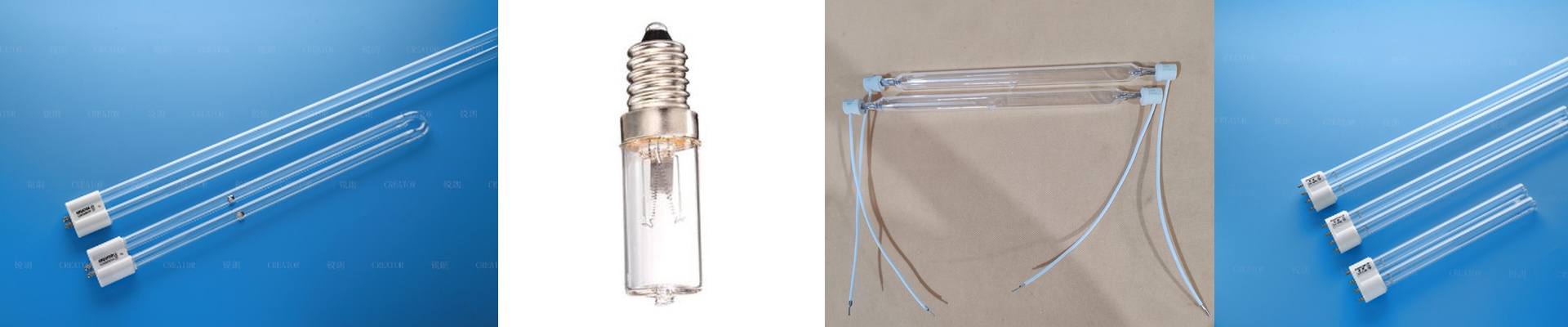
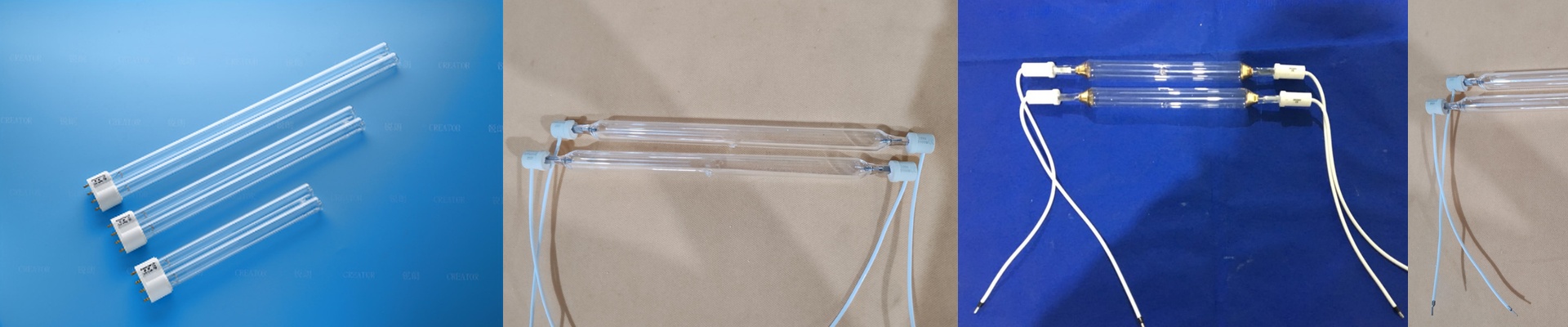
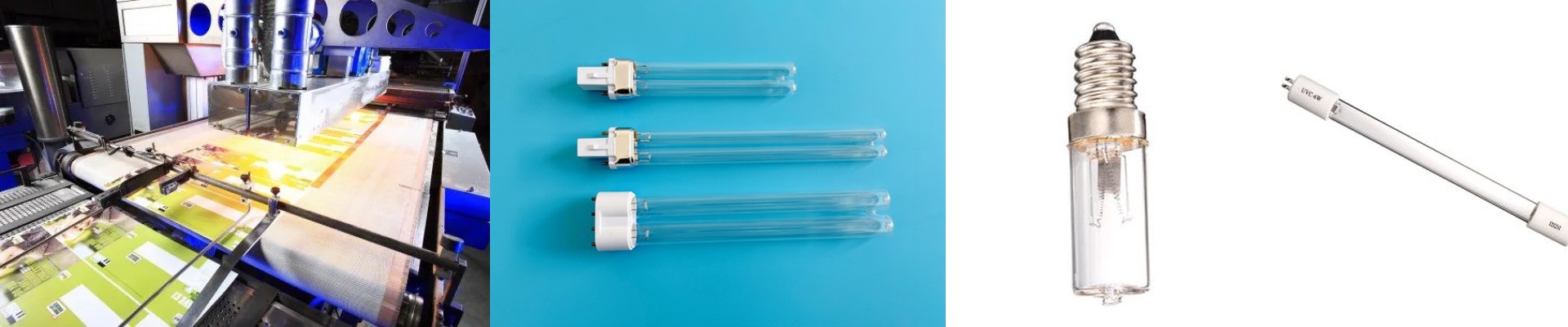
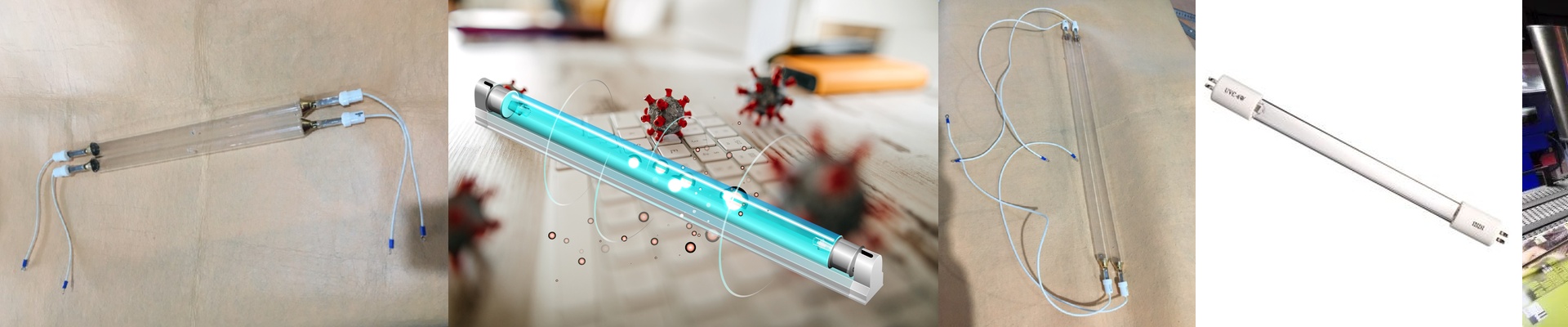
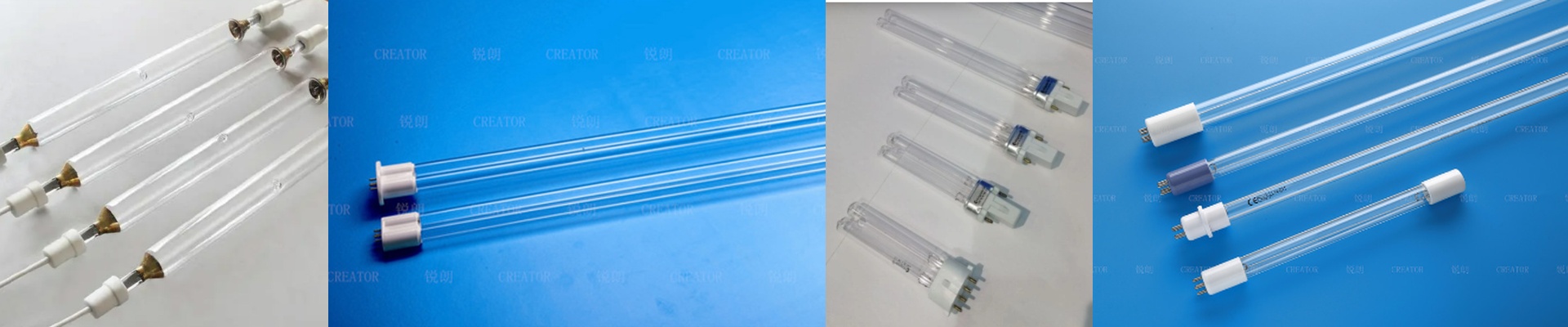
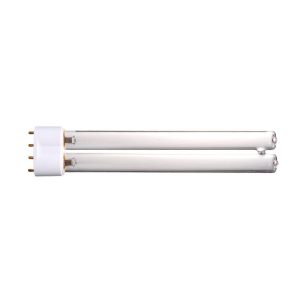
Stop Just Buying Lamps. Start Solving Your Cure Problems.
Most suppliers are pretty basic. They ship you a lamp, toss in a datasheet, and wish you good luck. But here’s the thing: a lamp is only as good as the gear around it. If your optical path is off or your power supply is struggling, that fancy lamp isn’t doing a thing. We don’t want to be just another vendor on your list. We’d rather be the people you call to make sure the UV light actually hits your substrate with the punch it needs.
The Tug-of-War Between Power and Heat
UV curing is all about energy density, but it’s a delicate balance. It’s tempting to just crank up the wattage to speed up the line. But then you hit a wall—the thermal ceiling. High-intensity lamps get hot. Really hot. If you aren’t careful, you’ll end up warping your PET films or scorching your inks. We help you do the math. We figure out exactly how many watts per centimeter your specific ink chemistry needs so you aren’t guessing. Plus, we look at your cooling. If your fans or chillers can’t handle the heat load, your lamps are going to burn out way too fast. It’s a waste of money.
Getting the Geometry Right
There’s a big difference between just swapping a part and actually making the system better. It usually comes down to the reflectors and the footprint. We obsess over how the UV light is actually delivered. Whether you’re trying to cure deep sections or just need a quick surface tack, it all depends on the quartz sleeve and how the reflectors are aligned. If the geometry is off, your cure rate drops. It’s that simple.
Finding the Sweet Spot
Let’s be honest: integrating high-output UV systems always involves some trade-offs. Sure, you can push for insane intensity to get more throughput. But that’s going to eat your lamp’s lifespan and spike your power bill. We sit down with your engineers to find the middle ground. You want a speed that keeps production moving, but not at the cost of replacing lamps every couple of weeks. We’re not just shipping you hardware—we’ll help you wire it up and tweak the process until it works perfectly in your actual shop.