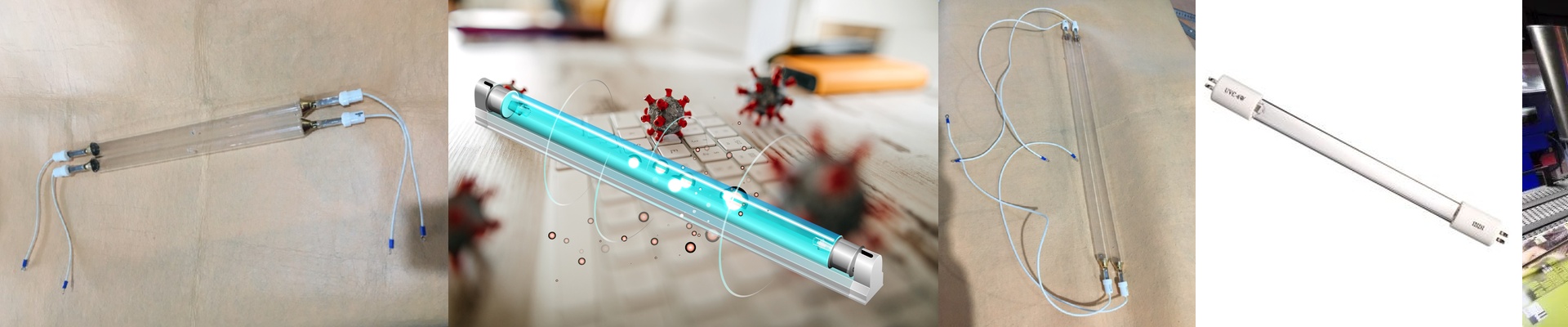
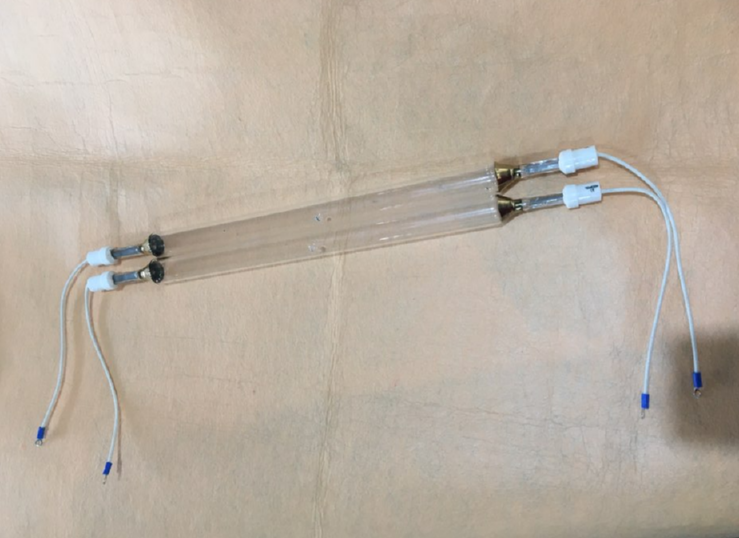
We visited 3,000 print shops to figure out why UV systems actually break.
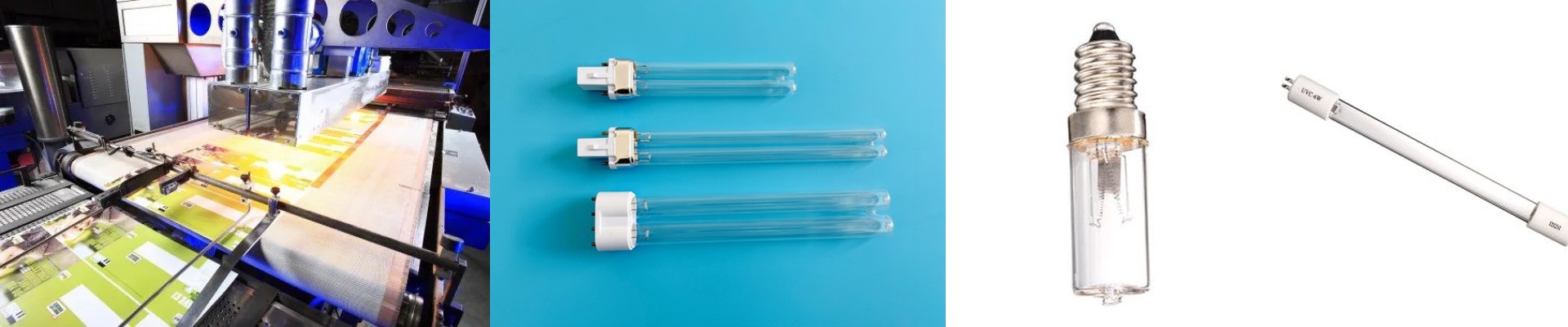
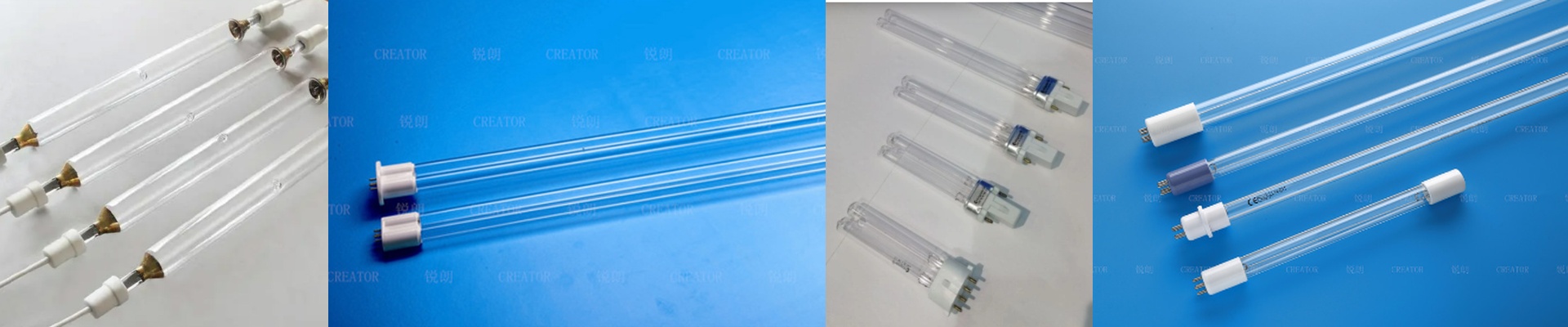
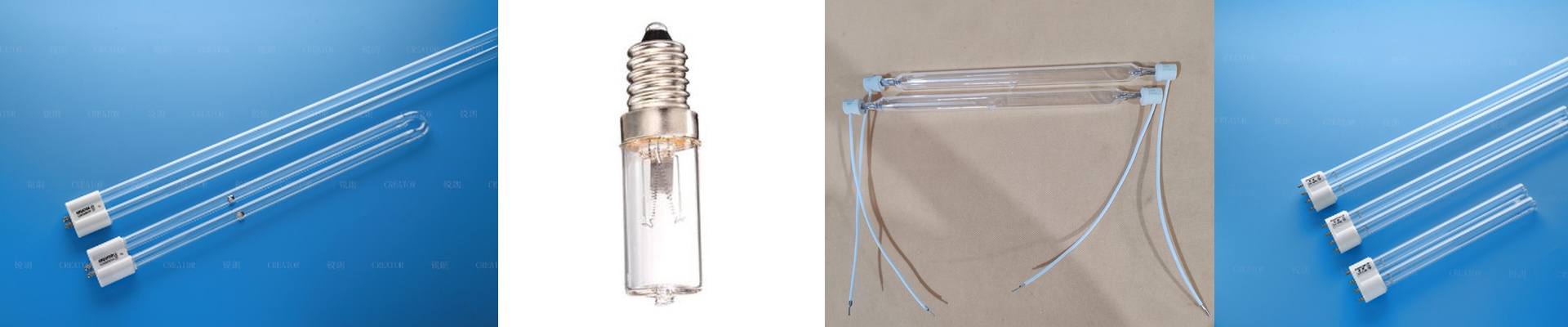
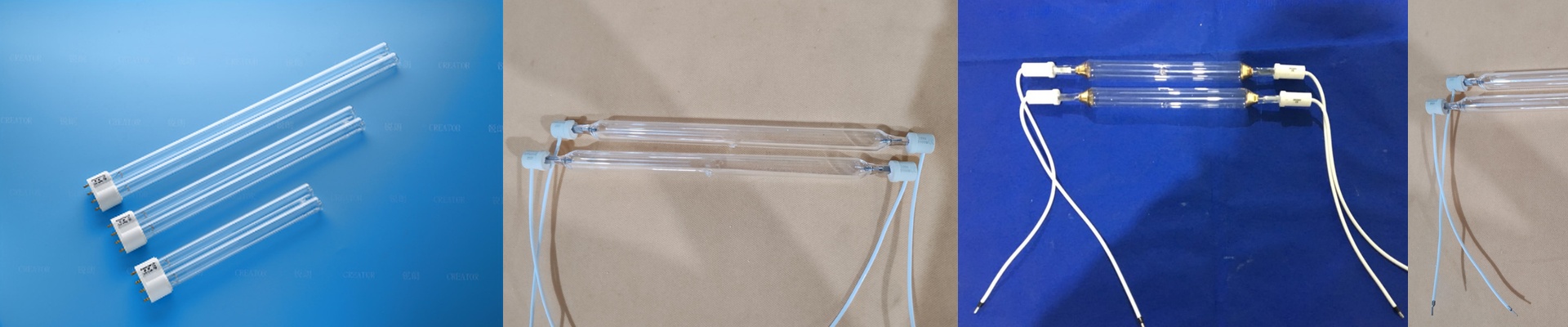
Here is what we found: most shops are fighting with rigid lamp arrays that just don’t fit. They’re either too short for the substrate or they can’t keep up with the line speed. It’s frustrating. So, we stopped guessing and built a modular system that you can actually fix in the field without losing your mind. The trick to scaling without the headache A fixed-length lamp is a pain. You end up over-curing some spots while others stay tacky. We fixed that by making the lamps “snappable.” You just add segments until they match your web width perfectly. But a word of warning: keep an eye on your power. These units pack a punch. If you stack too many on one circuit, you’re going to trip your breakers or see a voltage drop. And when that happens, your curing speed tanks. Dealing with the heat UV lamps get hot. Like, really hot. If your heat sinks are too small, your bulbs are going to burn out way too fast. To stop that, we used an open-frame aluminum chassis to dump the heat as quickly as possible. It works. We’ve seen lamp life jump by about 15% just by keeping things cool. Just make sure your shop’s ventilation is actually working. If the airflow is blocked, the lamps will overheat and your output will drop. Simple as that. Maintenance that doesn’t kill your day We wanted these to be “drop-in” replacements. When a bulb pops, you shouldn’t have to spend half a day rewiring the whole machine. With this setup, you just slide the module out, swap the tube, and lock it back in. It turns a multi-hour nightmare into a few minutes of work. One tip: make sure those connectors are seated tight. In a loud, vibrating factory, a loose connection will arc and fry your ballast. It’s built for the grit and dust of a real floor. You don’t need a clean room to make this thing work.