Why We Stuck With 120W/cm for Our Mercury UV Lamps
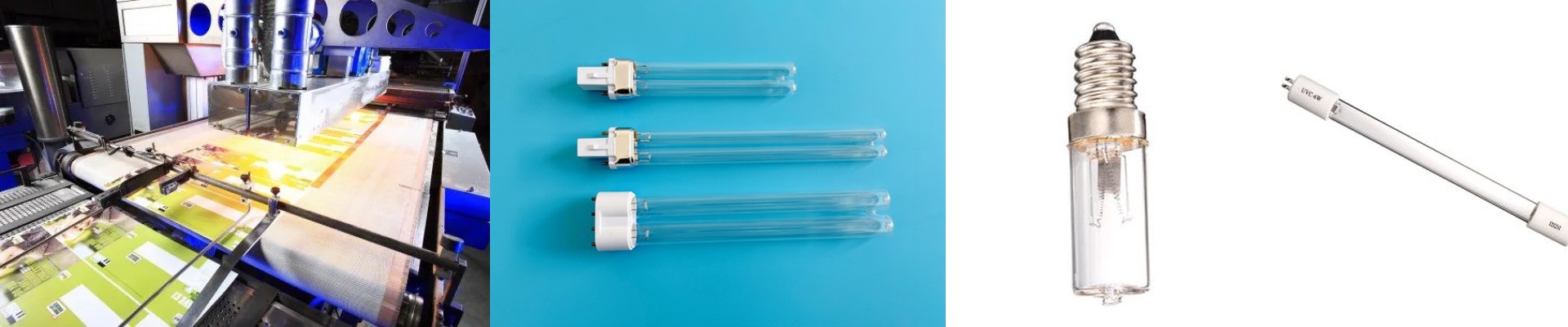
We settled on a power density of 120W/cm for our standard lamps for a very practical reason. When you’re running a high-speed industrial line, you don’t have time to mess around. You have milliseconds—literally a blink of an eye—to get that ink or adhesive to set. If you don’t hit that 120W/cm mark, you risk “skinning.” That’s the nightmare scenario where the top looks dry, but the bottom is still a tacky mess.**It ruins the batch.**This power level ensures the light actually punches through to the base, curing everything instantly.
Dealing with the Heat
Here is the thing about high-wattage mercury discharge: it gets hot. Really hot. To keep the glass from just cracking under the pressure, we use high-purity fused quartz. It’s tough. But the hardware is only half the battle. You’ve got to pair these with a stable ballast. If your voltage starts jumping around, you’ll notice the intensity dipping, or you’ll just fry your electrodes way sooner than you should.
Making It Work in Your Shop
If you’re upgrading to a modern setup, you can’t just flip a switch and walk away. Because these lamps put out so much energy, you need a cooling system that can actually keep up. If your manifolds aren’t spec’d for 120W/cm, the temperature will spike. When that happens, the light spectrum shifts, and suddenly your cure rate drops off a cliff. Plus, there are a few trade-offs. You’re drawing more power, and you’ll need solid ventilation to clear out the ozone. A pro tip? Keep your reflectors spotless. It sounds simple, but a thin layer of dust on your mirror can kill about 20% of your UV intensity. It’s a huge loss for a tiny bit of dirt. As long as your power supply can handle the current, these are a simple drop-in replacement for those old, weak tubes. Your throughput will thank you.