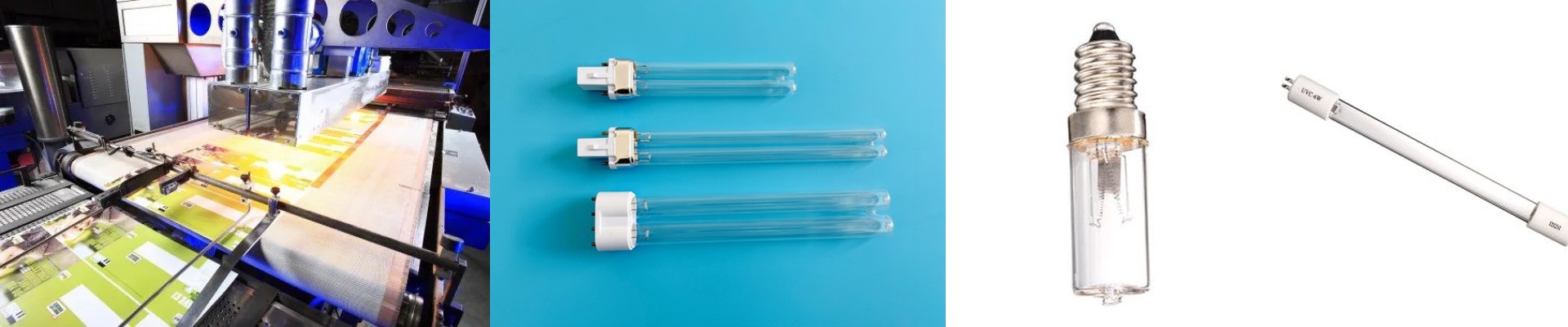
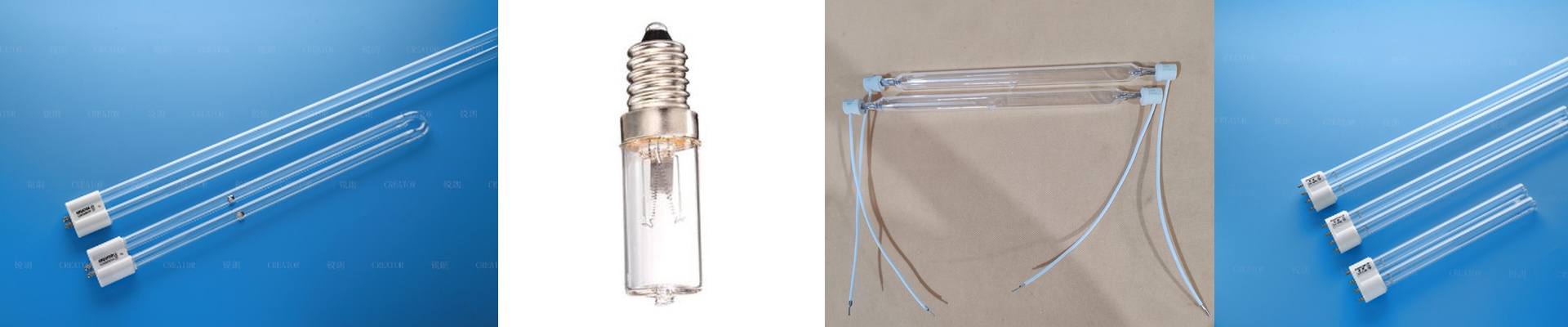
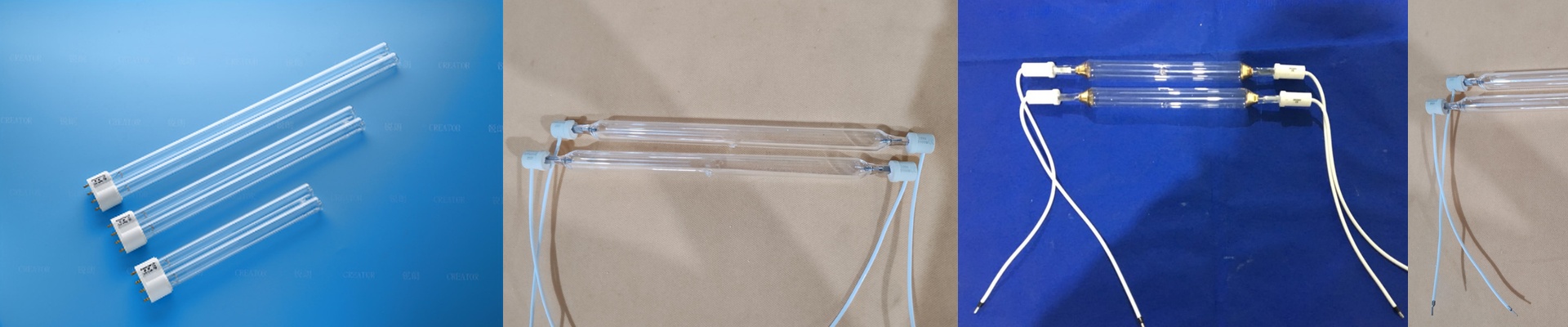
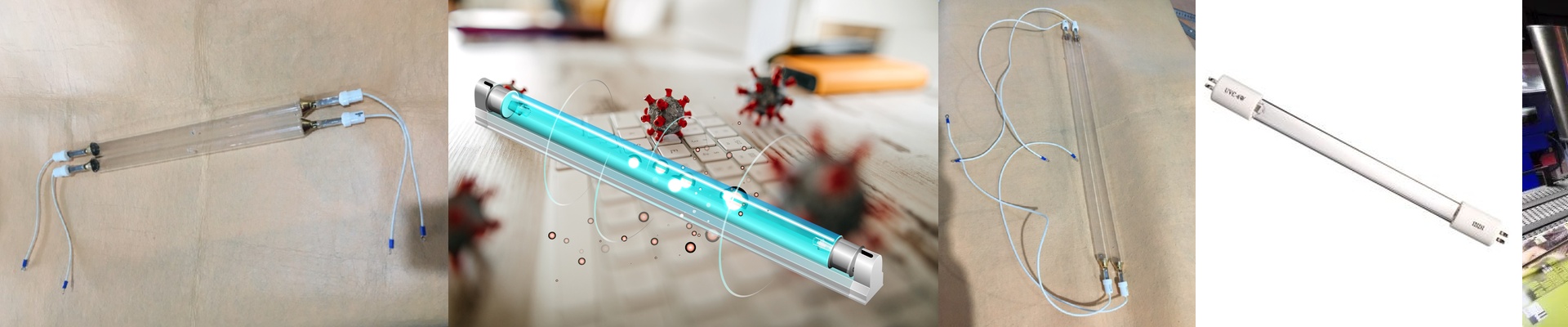
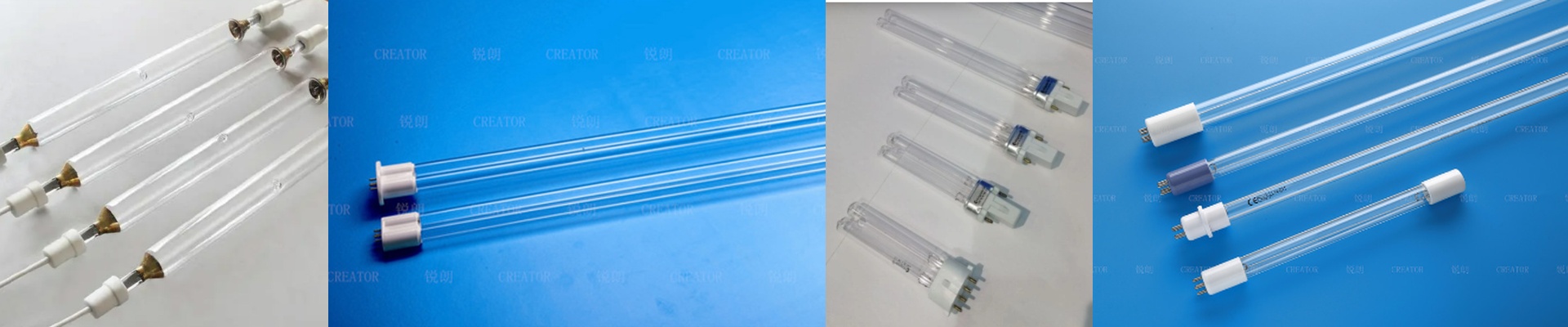
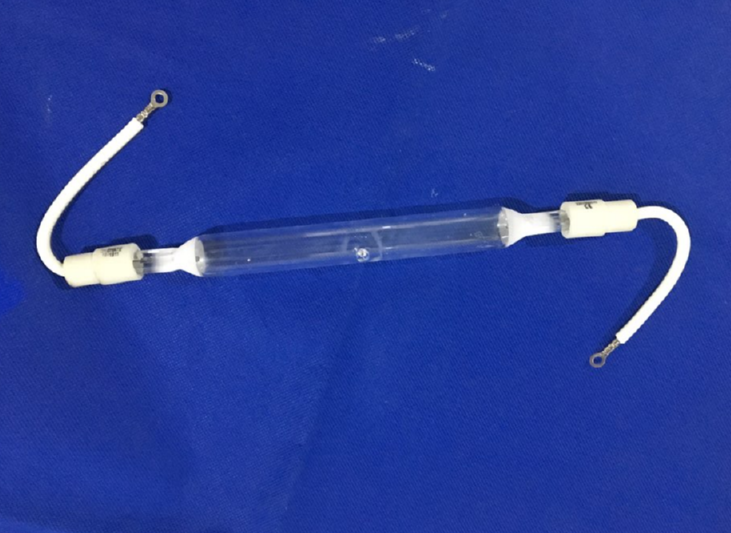
Tacky trails. Pinholes. Runs that get scrapped. When you’re standing on the press floor, uneven UV curing hits you where it hurts — right in yield. The root cause is usually the lamp system. If heat isn’t distributed cleanly, you lose the balance between photoinitiator activation and cross-linking. The ink might look dry, but performance is already slipping. So where do you start? The power core. A 380V UV lamp transformer built for stable arc control. What actually matters under the hood We match the lamp to its electrical signature so the arc stays steady across the spectrum. With high-pressure mercury vapor lamps, the dominant lines are at 365 nm for surface cure, while 385 nm and 405 nm give you deeper penetration. The transformer has to hold lamp current within tight tolerances so peak irradiance doesn’t drift. That repeatable power delivery keeps the dose at the substrate consistent — exactly what fast-curing formulations need. Output stability is what keeps energy density (mJ/cm²) at the web from swinging wildly. That control is what keeps you from under-curing at high speed, and from over-curing, which can cause yellowing or embrittlement. Why this plays in printing Offset, flexo, or screen — uniformity comes down to a stable thermal and optical field along the lamp length. With a 380V input transformer built for industrial duty, the lamp arc stays repeatable, so the reflector’s focal line doesn’t wander. The payoff is even cross-linking edge to edge, fewer rejects, and dot gain you can predict. You can push higher line speeds without chasing cure, and you’ll cut makeready waste because lamp output repeats cycle after cycle. What you need to get right This transformer is engineered for a 380V three-phase supply, and it has to be wired to match the lamp’s rated current and ignition method. The footprint is compact, but plan clearance for cooling airflow and service access. Compatibility isn’t just voltage. It depends on lamp type, reflector geometry, and the cure window your ink needs. Match spectral output and power density to the photoinitiator chemistry, or you’ll be troubleshooting in the dark.