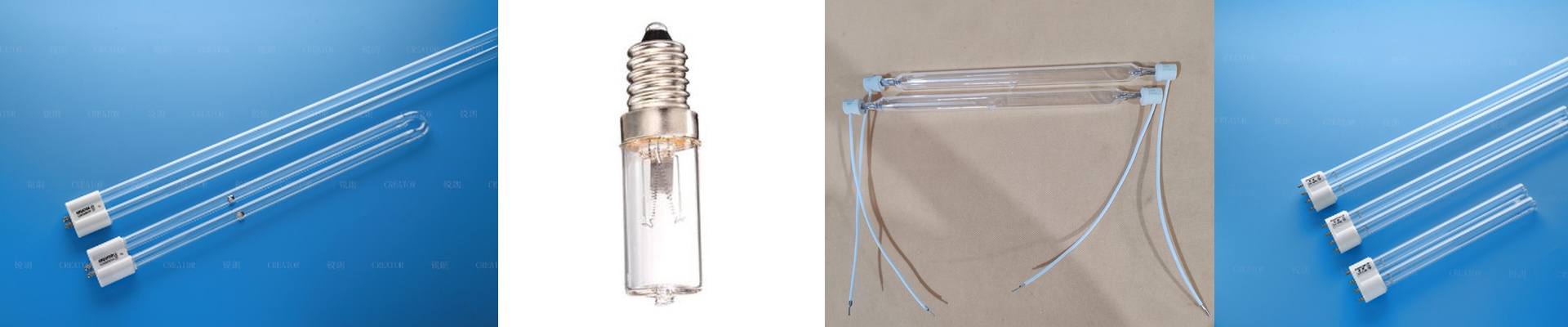
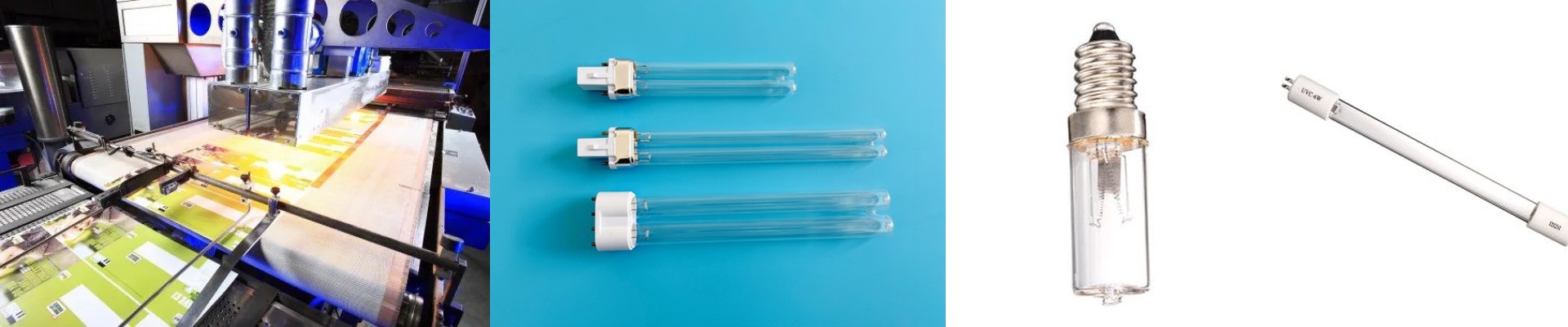
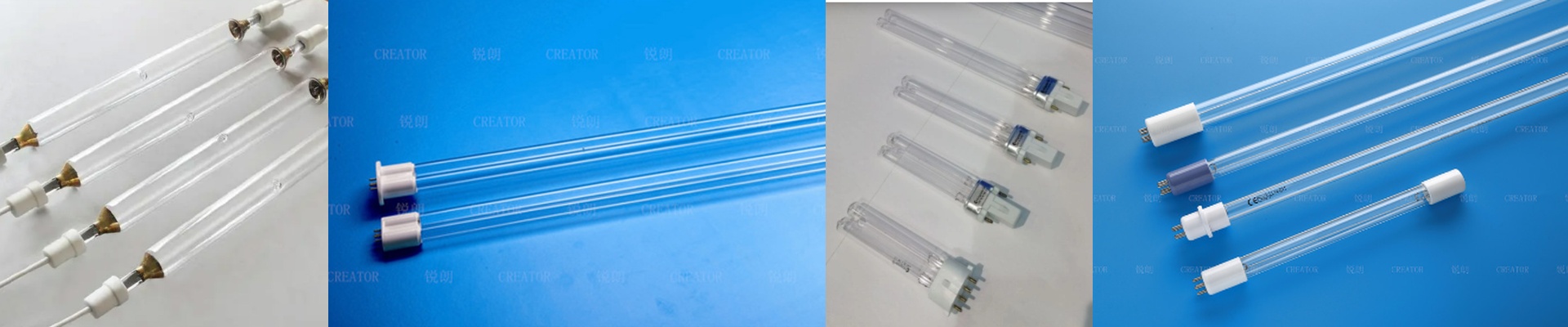
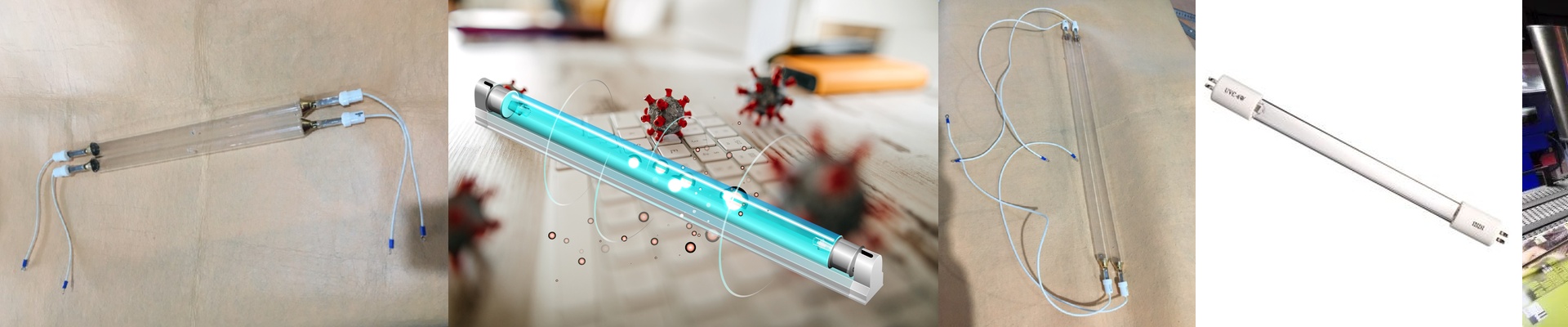
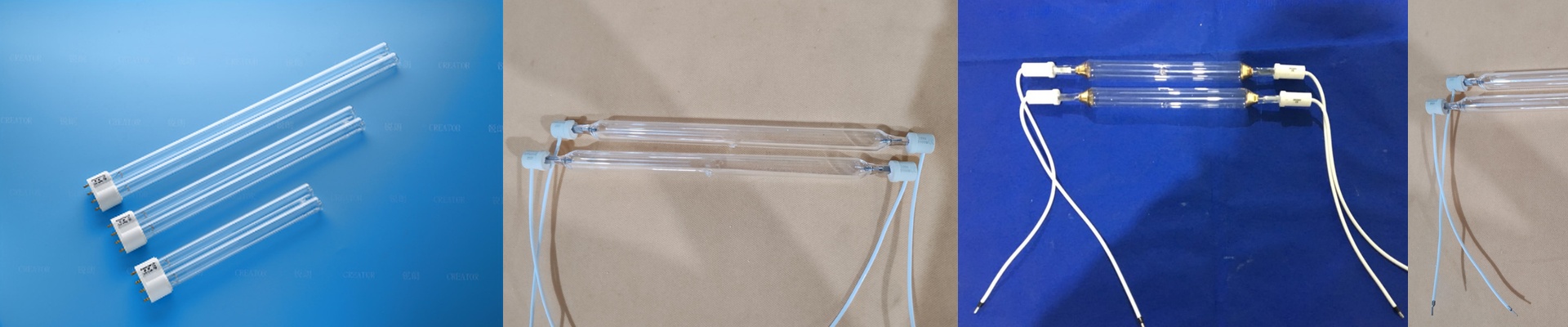
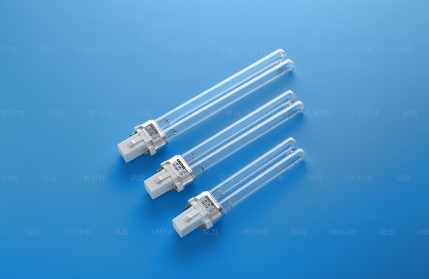
Out on the floor, you see it all the time: germicidal UVC gets shoehorned into appliances like dishwashers and shoe cabinets, then the whole idea falls apart when the module won’t drop into the cavity, the drive is noisy, or it drifts out of spec. What you need is a double-ended UV lamp that acts like a proper component—something that integrates cleanly, not a bulky fixture that fights your chassis. We build double-ended low-pressure mercury vapor lamps that hold a stable 254nm output, the wavelength that does the work on DNA/RNA. Target irradiance at the target plane is engineered to meet IEC 60335-2-59 dose requirements inside the appliance cycle. The quartz sleeve and our proprietary dichroic coating manage heat without sacrificing UVC transmission, so you can run 1,000+ hours and still keep output decay under 5%. We spec the system for 24V DC drivers with tight current ripple, and the footprint is small enough to fit tight channels without forcing a compromise on reflector geometry. The double-ended form factor gives you two solid mounting points and repeatable lamp alignment. That lets you bring reflectors in closer to the target, which means more delivered dose where you need it. In a shoe cabinet, that translates to faster throughput with dependable log-reduction. In a dishwasher, it means consistent sterilization without dumping audible EMI or extra thermal stress onto the control board. You end up with shorter cycles, repeatable microbial kill, and less energy drawn per cycle. Here’s the part you can’t skip: UVC works, but it needs discipline. Modules have to be shielded so there’s no direct exposure, and you use ozone-free grades in sealed appliances. Respect the operating temperature range and make sure airflow across the lamp end is adequate—overheating shortens lamp life and shifts output. Before you lock in the chassis layout, verify driver compatibility and make sure you’ve got clearance for the lamp ends.