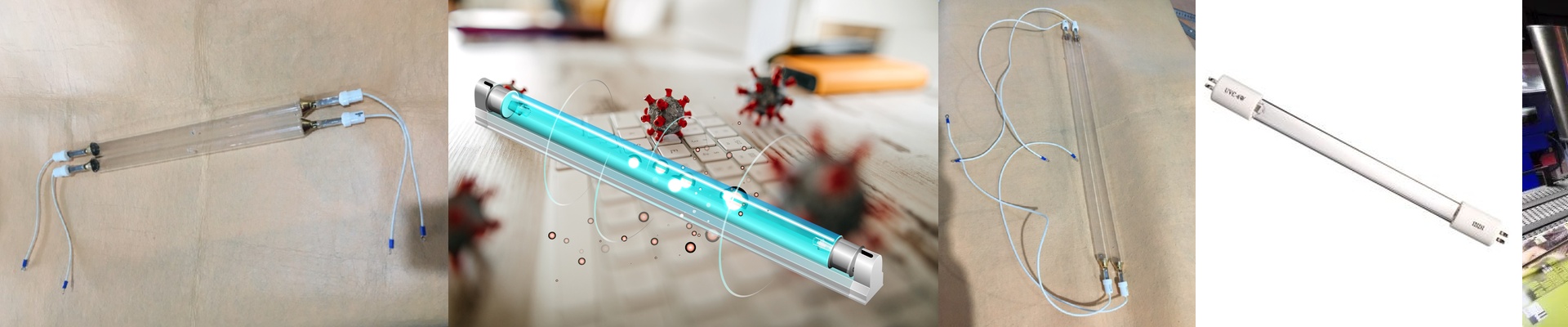
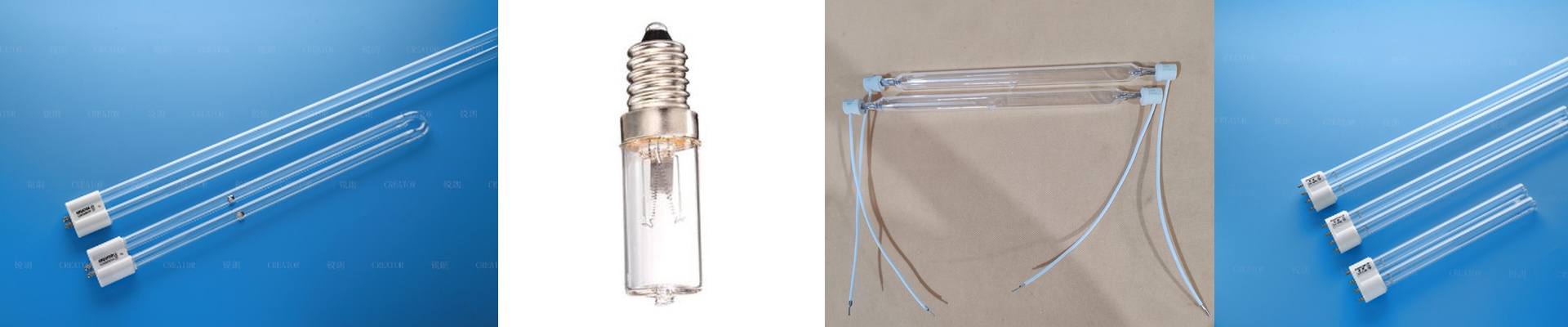
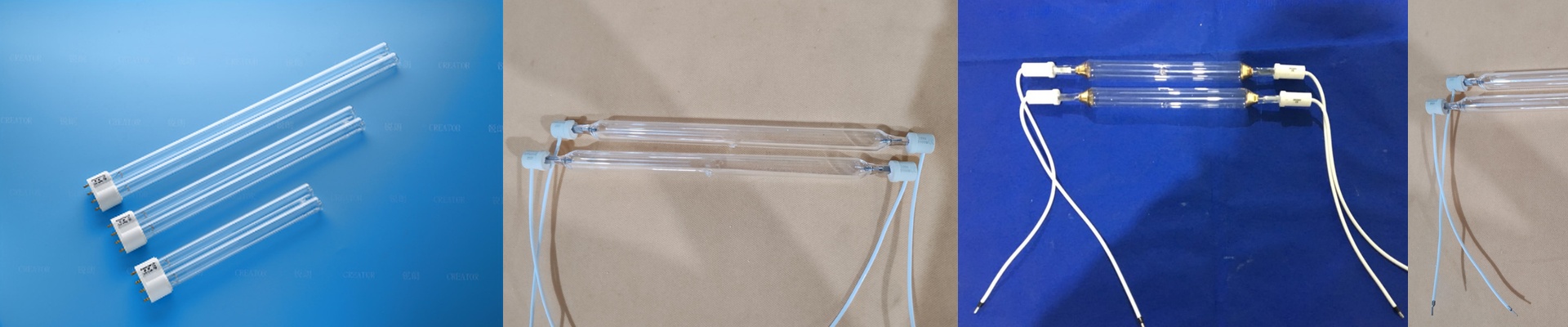
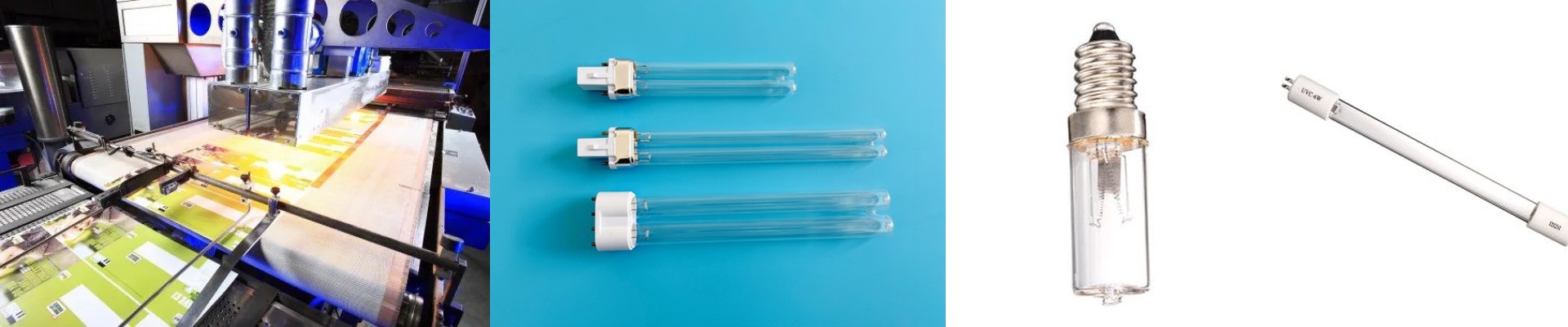
Getting UVC Right (And Why Precision Actually Matters)
When it comes to killing germs with UVC, there’s a very tiny window where the magic actually happens. We spend all our time in the lab obsessing over one specific spot: 253.7nm. That’s the sweet spot. It’s where the light actually breaks apart the DNA and RNA of microorganisms. If you’re off by just a few nanometers? You’re basically just turning on a fancy lightbulb that doesn’t do much. We don’t play guessing games here. We use spectrophotometers to make sure every single batch hits that mark exactly.
The Nitty-Gritty of the Physics
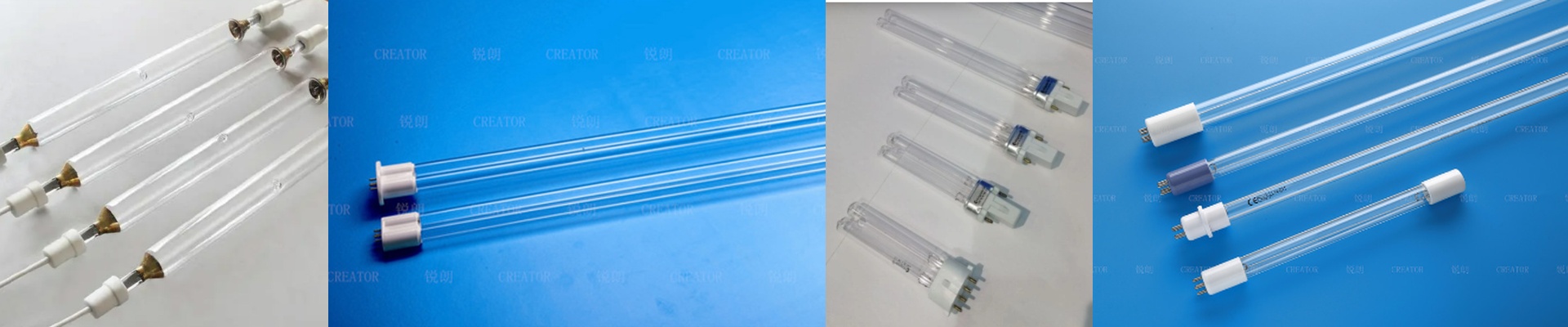
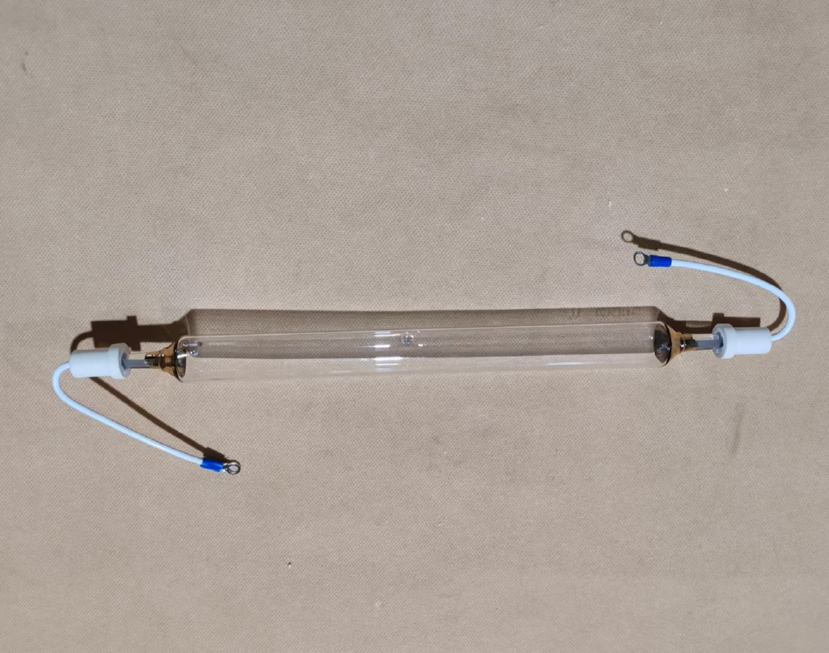
Getting a steady 253.7nm output isn’t easy. You have to be incredibly picky about the mercury vapor pressure and how pure the quartz sleeve is. Standard glass is a no-go—it just blocks the UVC. That’s why we use high-transmittance synthetic quartz. It lets the radiation slide right through without soaking up the energy. We also put a lot of thought into the electrodes. Nobody wants a lamp that burns out early, so we spec them to keep the power steady for the long haul.
Keeping Things Safe
Let’s be real: UVC is dangerous. It’ll burn your skin and wreck your eyes if you’re not careful. You can’t just treat these like the lights in your living room. Our housings are built so nothing leaks out. We use aluminum reflectors because they can take a beating from constant UV bombardment without wearing down. And we’ve built in fail-safes. If a cabinet door swings open, the power cuts. Immediately. No lag, no “almost.” Then there’s the ozone issue. Some lamps hit 185nm, which turns oxygen into ozone. If you don’t need that for your specific setup, we use “ozone-free” quartz to block those shorter wavelengths. Simple as that.
The Trade-offs You Need to Know
Here is the thing about high-wattage lamps: they clear a room faster, but they gethot. If you cram high-output tubes into a tiny space, you’re asking for thermal stress on your sockets. You’ve got to look at your air exchange and how the heat escapes, or your ballast is going to overheat. Some people try to “overdrive” the lamp to get more kill power. Don’t do that. All you’re doing is killing the life of the tube.