Making UV Lamps That Actually Work (Without Breaking the Bank)
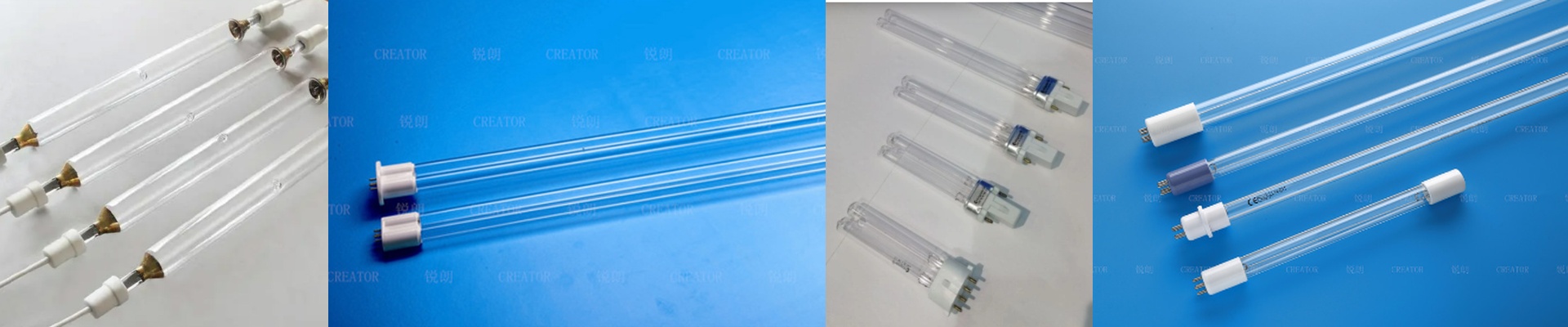
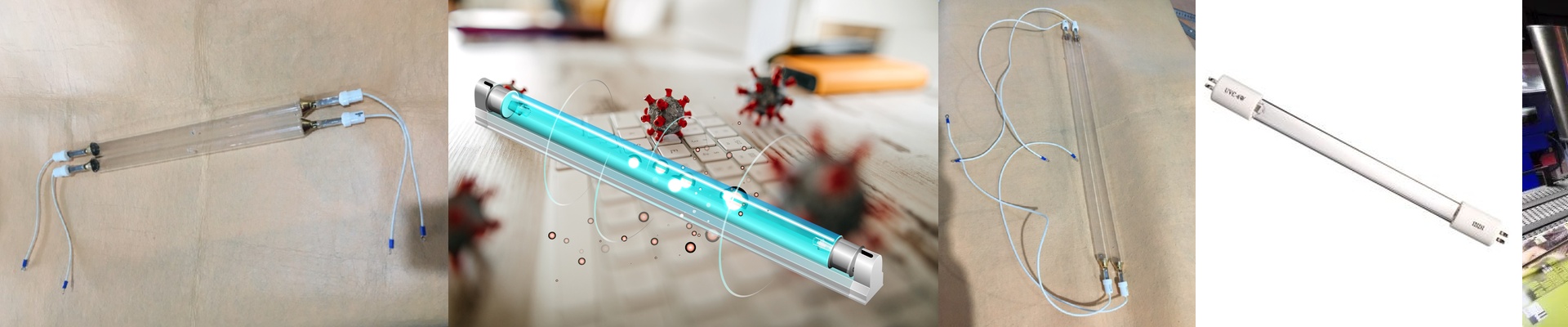
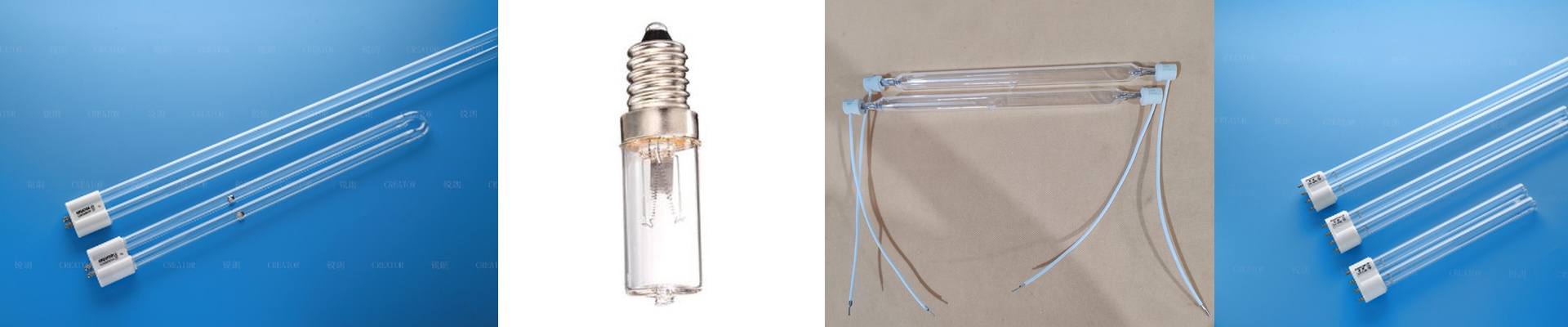
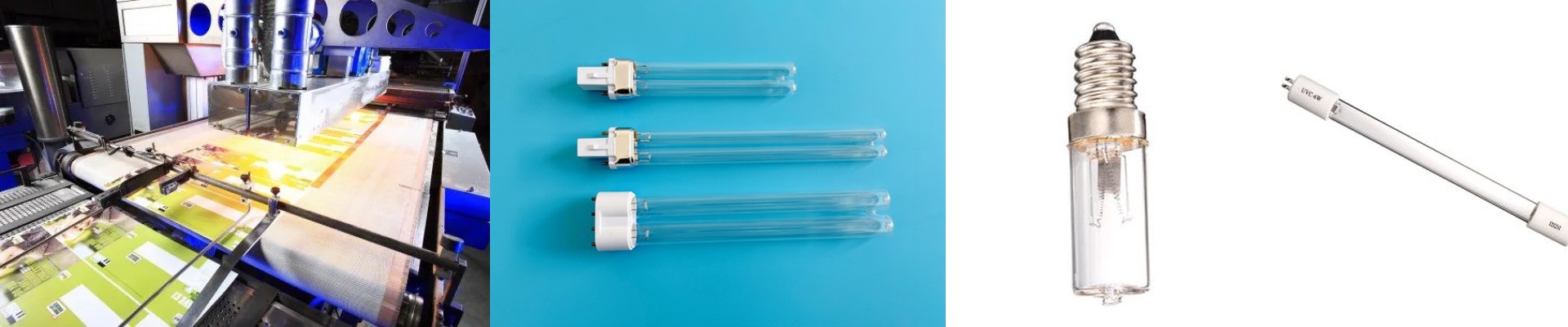
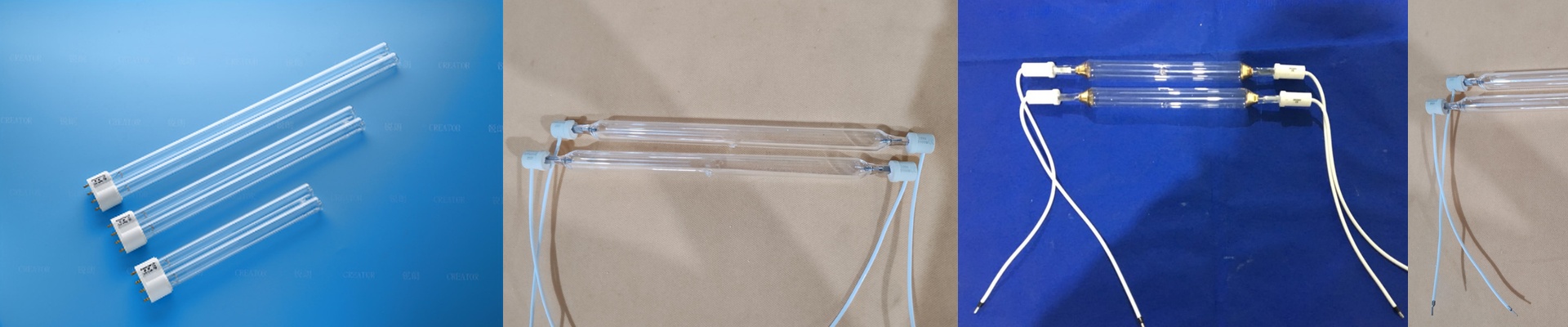
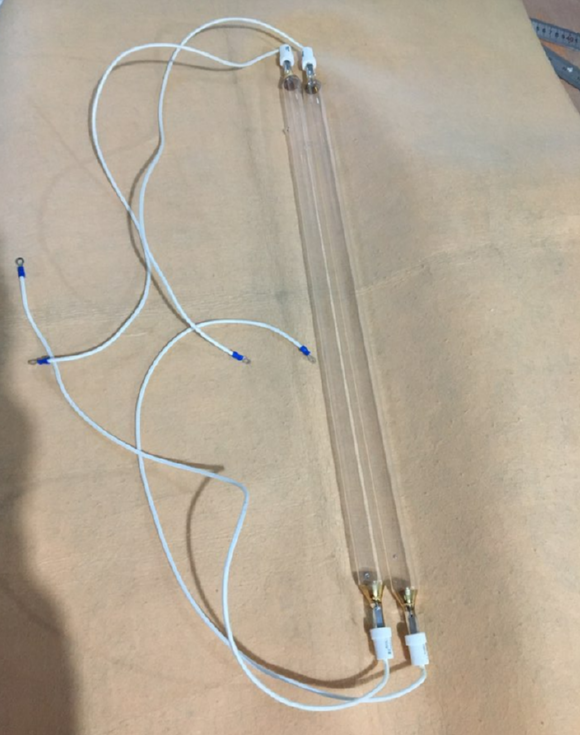
We handle everything. From the moment we source the raw quartz to the second we seal the electrodes, it’s all done under our roof. When you pick up these tubes, you aren’t just buying a piece of glass that glows. You’re paying for that sweet spot—253.7nm. That’s where the physics kicks in and actually rips through DNA to kill the germs. If you’re off by even a little bit, you’re just wasting electricity. The deal with the glass Most glass is useless here because it blocks UVC rays. That’s why we use high-transmittance synthetic quartz. Here’s the thing: if the quartz isn’t pure, your sterilization dose drops. Then you’re forced to cram more lamps into your system just to hit your kill rate. We spend a lot of time dialing in the wall thickness, too. It needs to be thin enough to stay light, but tough enough that it doesn’t crack when things get hot. Cutting costs vs. cutting corners Usually, when a supplier drops their price, they’re cheating you on the cathodes or the gas fill. We don’t play that game. By making our own filaments and tubing, we just cut out the middleman. You get a lamp that lasts, period. But I’ll be honest with you—high-output UVC lamps get hot. Really hot. Especially at the end caps. If you use a cheap ballast or don’t leave enough room for air to move around the sockets, you’re going to fry the seal. I’ve seen too many people try to squeeze too many tubes into a tiny space. It’s a fast track to a dead lamp. Getting them into your system These are designed to be drop-in replacements. Whether you’re setting up a water treatment plant or a line for surface disinfection, they just work. We don’t believe in guessing games. We give you the raw data on how the light fades over time. That way, you can swap them out on your own schedule before the output dips below where it needs to be. No surprises, no failed inspections.