Getting Your UV Curing Right (Without Burning Everything Down)
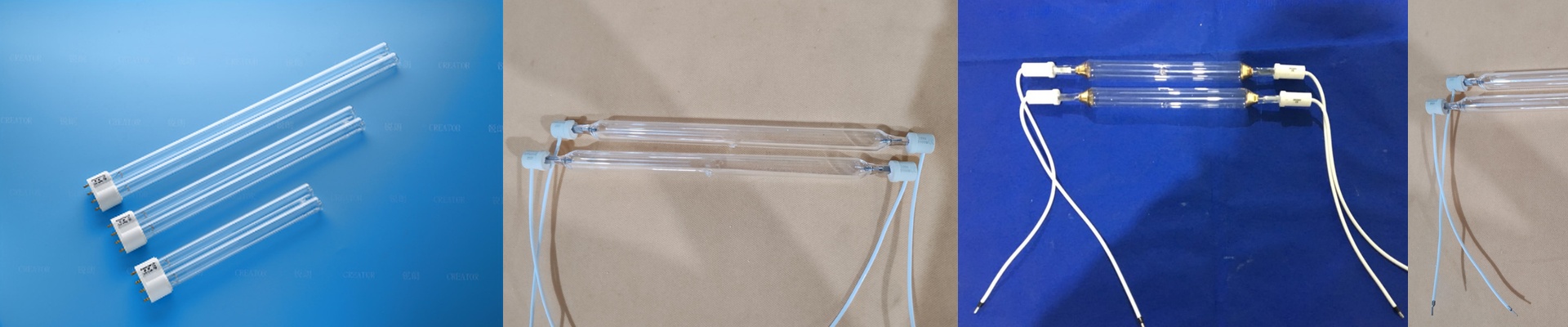
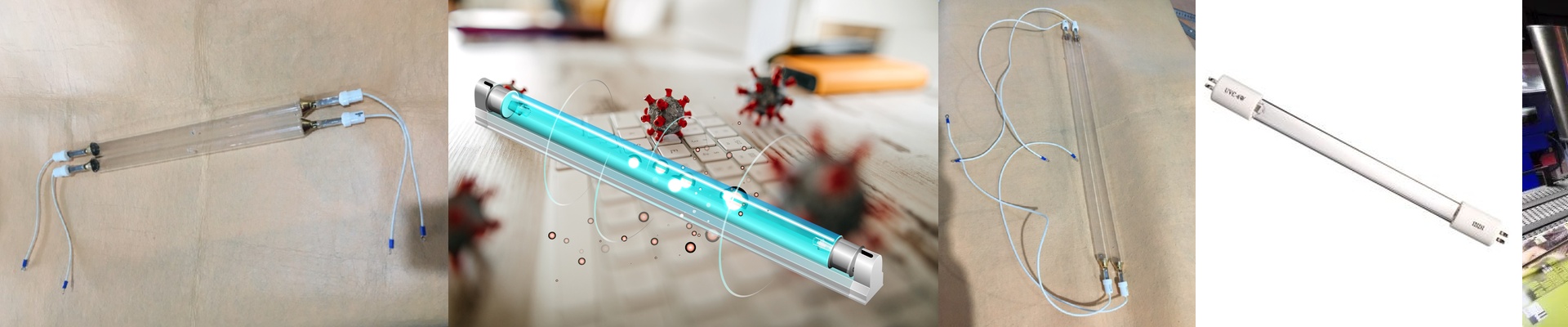
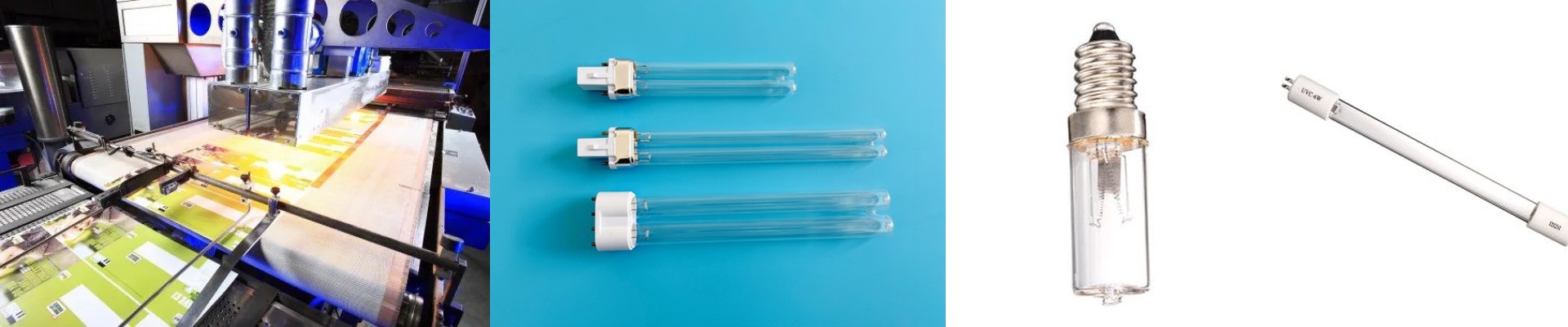
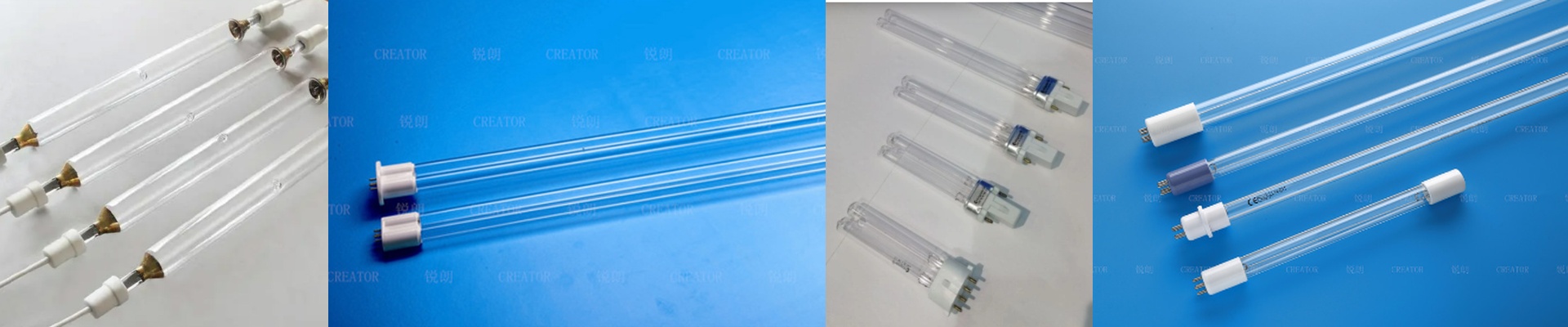
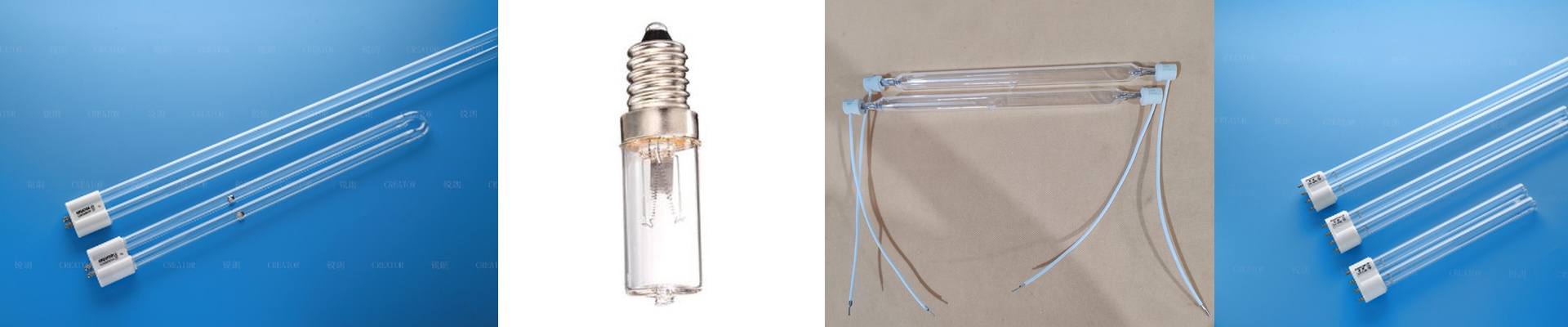
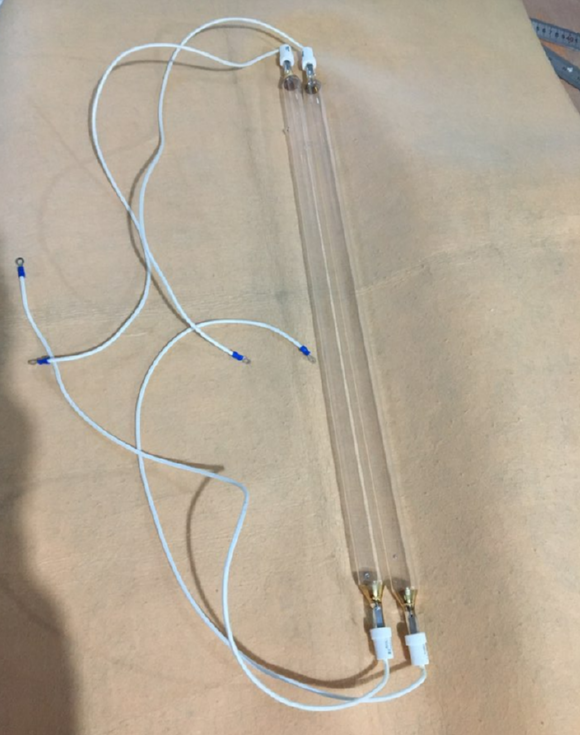
Look, we aren’t just here to sell you a few lamps and wish you luck. That’s not how this works. We treat this more like a partnership. We sit down with you to figure out exactly what your process needs so you aren’t throwing energy away or—even worse—scorching your materials. The secret is going modular. Instead of one giant, rigid system, you get a setup that scales. You can tweak the intensity based on how thick your ink is or how fast your press is humming along. The trick with power density It all comes down to how much wattage you’re hitting per linear inch. By grouping lamps into independent modules, you get total control. Need a massive hit of radiation for those heavy-pigment areas? Crank it up. Running a thin coating? Dial it back. If you just blast everything with max power, you’ll end up with prints that are brittle or turning a nasty shade of yellow. To keep things stable, we make sure the ballast output and the lamp’s voltage are a perfect match. No flickering, no surprises. Dealing with the heat Here is the thing: UV lamps get hot. Really hot. They pump out a ton of infrared heat right along with the curing light. If you’re working with PET or plastics, that heat is your enemy—it’ll warp your substrate in a heartbeat. That’s why we use specific quartz glass coatings to filter out that unwanted IR. And please, don’t skimp on the wiring. You need high-temp cabling here. If you’re squeezing high-wattage modules into a tight space, your cooling—whether it’s fans or water-chilled jackets—has to be spot on. If the cooling fails, your lamp life just plummets. Keeping things moving Nobody wants to spend four hours rebuilding a housing just because one tube popped. We design our systems for quick swaps. Standard connectors mean you just pull the burnt-out tube and drop in a fresh one. Simple. When we’re fine-tuning your line, we spend a lot of time looking at the gap between the lamp and the substrate. It’s a balancing act. Move the lamp closer? Your cure speed jumps, but you risk heat damage. Move it back? You’re safer, but you might slow down production. We’ll help you find that sweet spot where the quality is perfect and the line keeps moving.