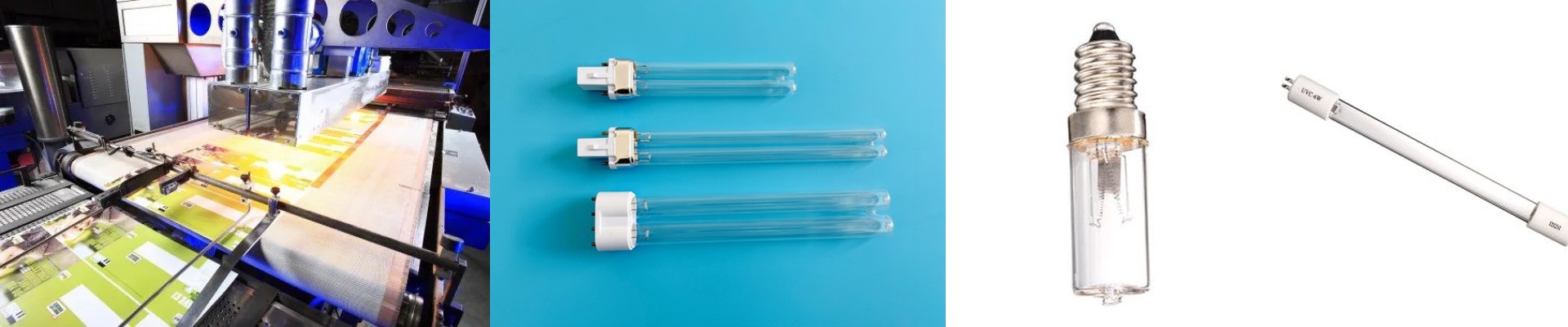
Making Sense of 120W/cm Mercury UV Lamps in Textiles
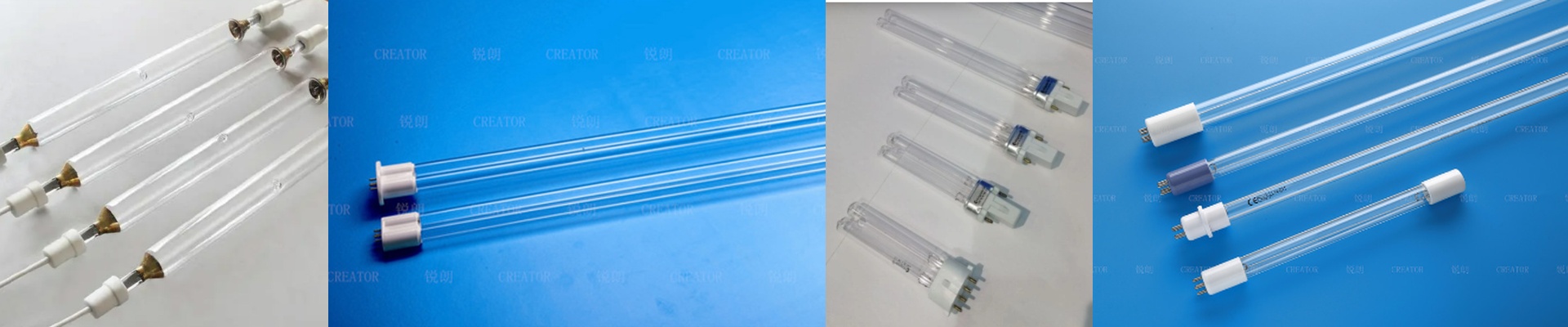
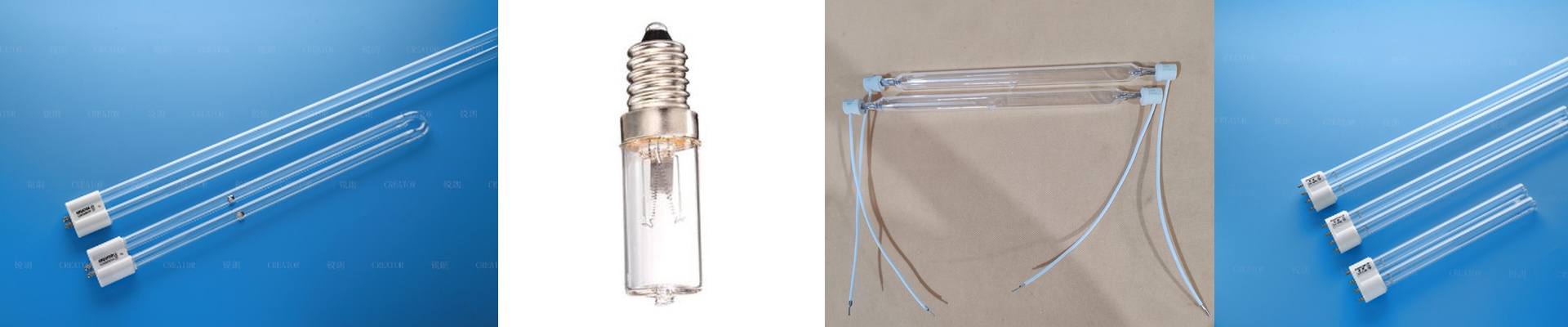
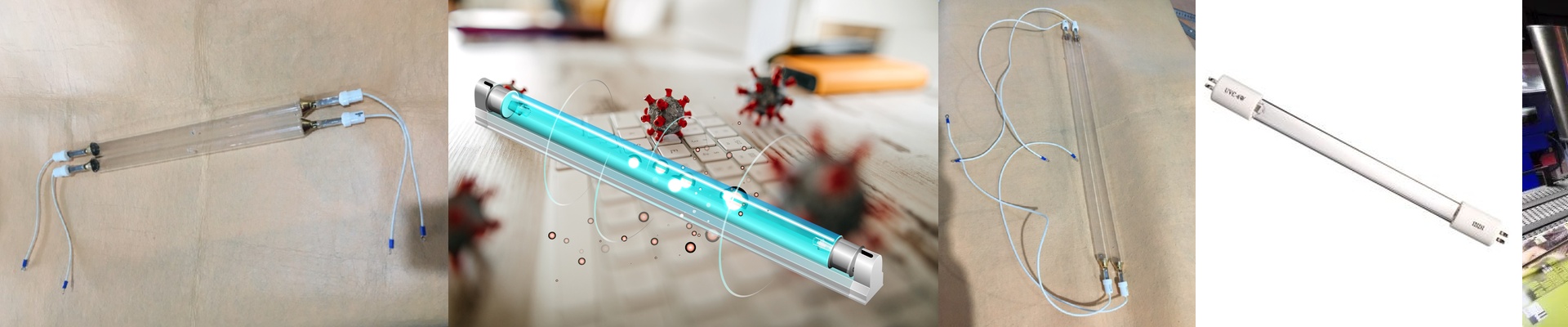
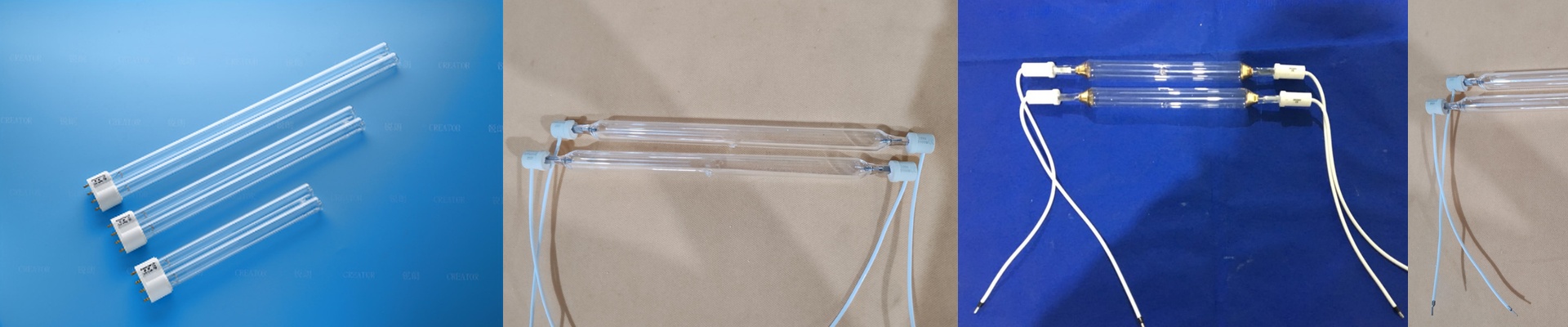
If you’ve spent any time on a textile production line, you know that mercury UV lamps are basically the heavy lifters. They do the dirty work of photopolymerization—which is just a fancy way of saying they turn liquid resins into solid, permanent bonds. Whether you’re coating fabric at the start or putting the finishing touches on a garment, these lamps provide the raw energy needed to snap adhesives and inks into place instantly. Let’s talk about that “120W/cm” number. That’s your linear power density. We design them this way so the energy stays concentrated and consistent across the entire width of your fabric. Because mercury vapor hits a broad spectrum (mostly peaking at 254nm and 365nm), you can cure a whole bunch of different photoinitiators in a single pass. It’s simple: more wattage per centimeter means you can crank up your conveyor belt. If you want to move faster, you need more intensity. Otherwise, you’re looking at under-cured fabric and a lot of wasted time. The heat is the tricky part. Running 120W/cm gets hot. Like, really hot. That’s why we use high-purity quartz glass. It can handle the internal arc temperatures without melting and lets the UV rays slide right through. But you can’t just plug these in and walk away. You need a forced-air cooling system or a water-cooled jacket. If you skimp on the airflow, the quartz will stress, crack, or the lamp will just burn out way too soon. We usually pair these with high-frequency electronic ballasts. It gets rid of that annoying flicker you get with old-school magnetic transformers, giving you a stable plasma arc and a steady output. The trade-off Here’s the thing: you get incredible intensity, but you pay for it in energy efficiency. Mercury lamps dump a lot of electricity into infrared heat instead of actual UV light. If your lamp is sitting too close to the fabric, that heat can actually shrink certain synthetics. It’s a balancing act. You have to find that sweet spot where the curing happens fast, but the garment doesn’t get scorched.