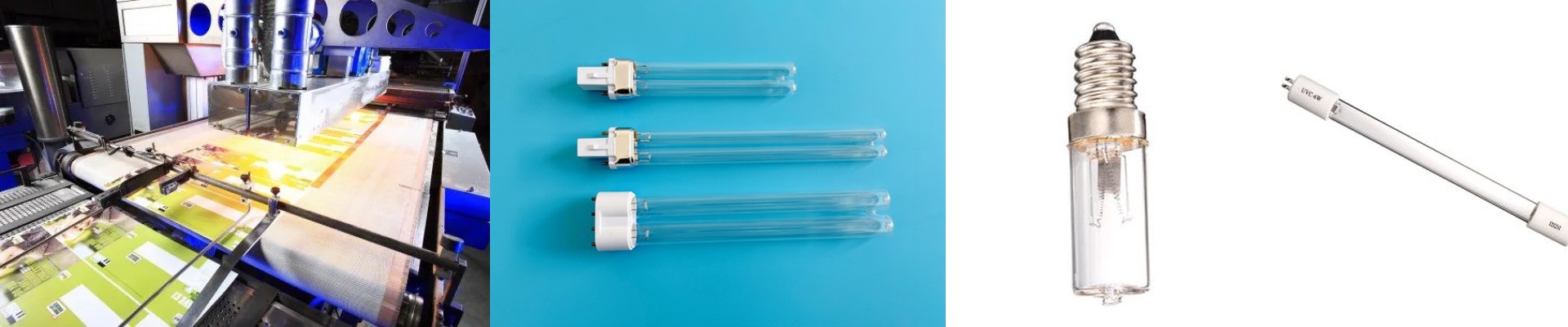
Better Curing, Less Waste: The Truth About Gallium Iodide Lamps
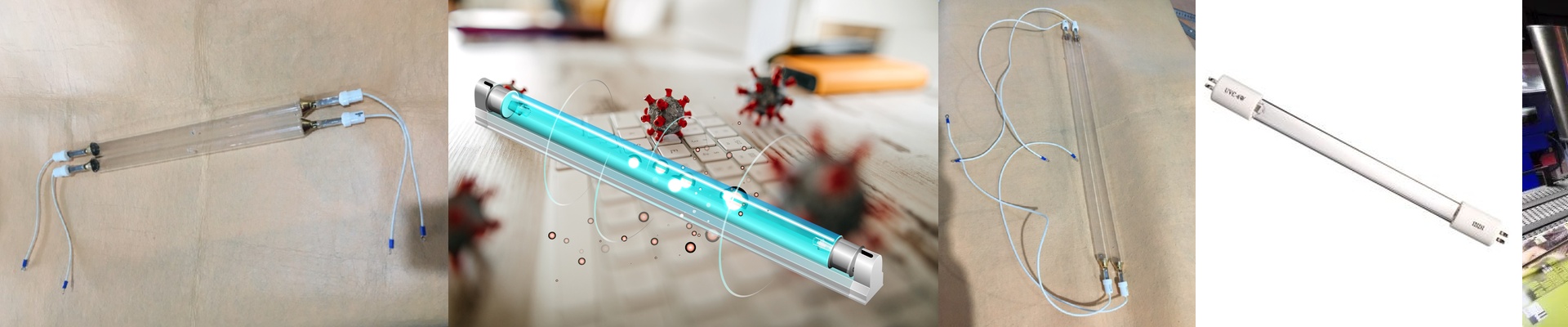
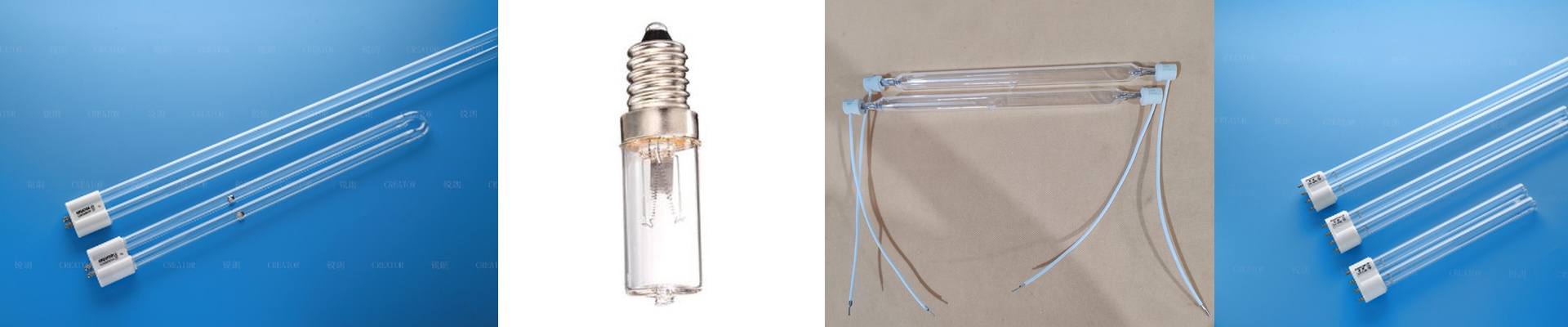
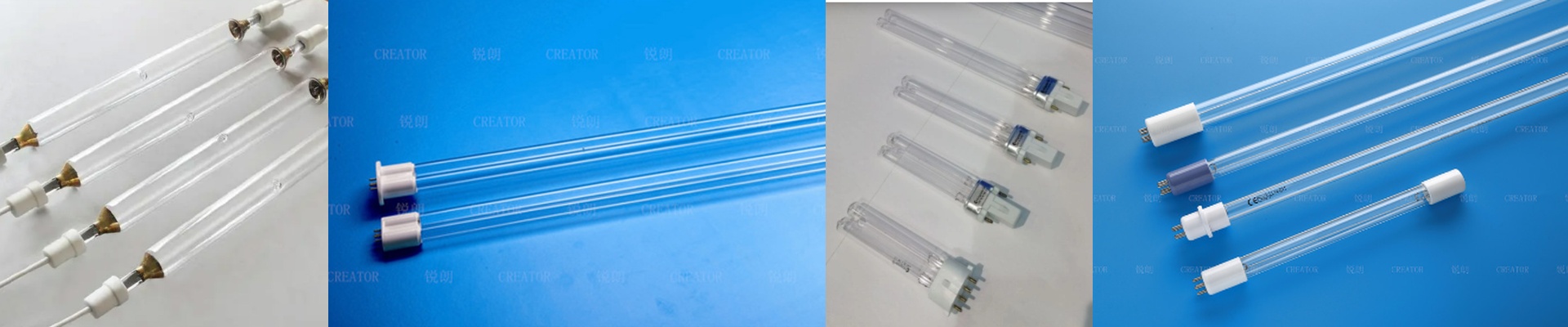
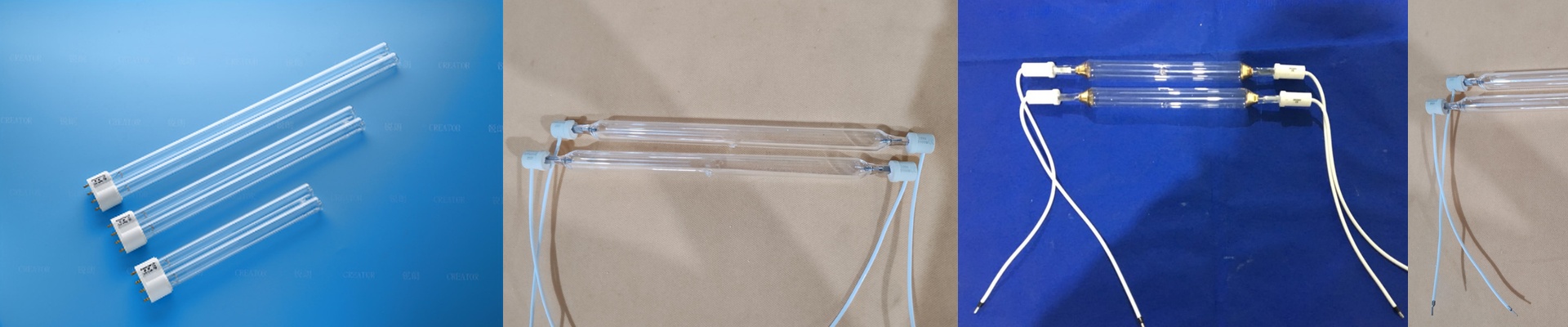
If you’re dealing with thick coatings or heavy-duty adhesives, you know the struggle. Some resins just won’t cure all the way through, leaving you with a mess. That’s where Gallium Iodide (GaI) lamps come in. We didn’t want to build just another disposable bulb. We wanted something that actually lasts and doesn’t leave a trail of hazardous waste behind every time a lamp burns out. Getting deep into the material Here’s the deal: GaI lamps hit that sweet spot between 300nm and 450nm. Because of that specific light range, the UV actually sinks deeper into your substrate than those old-school mercury lamps ever could. It’s powerful stuff. You get a much faster cure, which is great for your bottom line. But a word of warning—keep an eye on your conveyor speed. If you push the line too fast, you’ll end up with a tacky, sticky surface that’ll drive you crazy. Cleaning up the act We’re over the old way of doing things. We’ve stripped out the nasty pollutants and switched to high-purity quartz and eco-friendly materials. The real secret, though, is in the electrodes. We spent a lot of time tweaking how the tungsten and gallium interact so the bulbs don’t just pop prematurely. It means you aren’t swapping lamps every few weeks, and you aren’t filling up hazardous waste bins. It’s just easier. Putting them to work Installing these is pretty straightforward. We kept the footprints standard, so they should slide right into your existing UV setup without a fight. But there is one catch: these things gethot. Since they pack so much energy into one tube, you’ve got to make sure your cooling fans and heat sinks are actually doing their job. If your airflow is clogged with dust, that quartz envelope is going to overheat, and you’ll kill the lamp’s lifespan. Plus, give your reflectors a scrub every now and then. You want that light hitting your product, not heating up your machine frame.