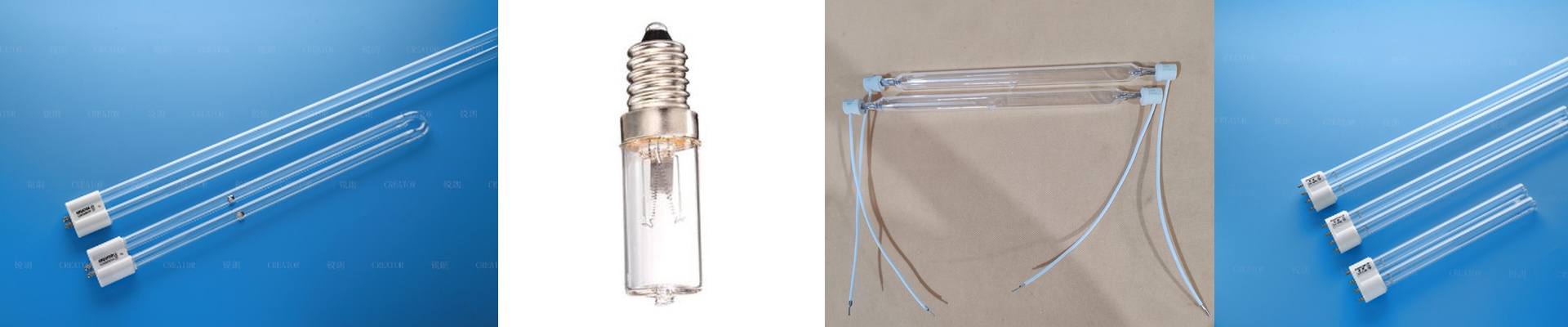
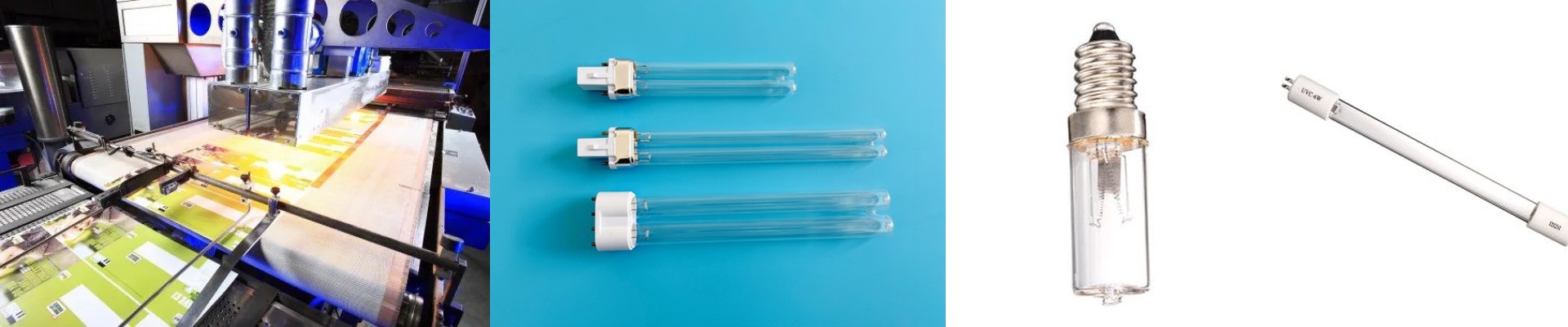
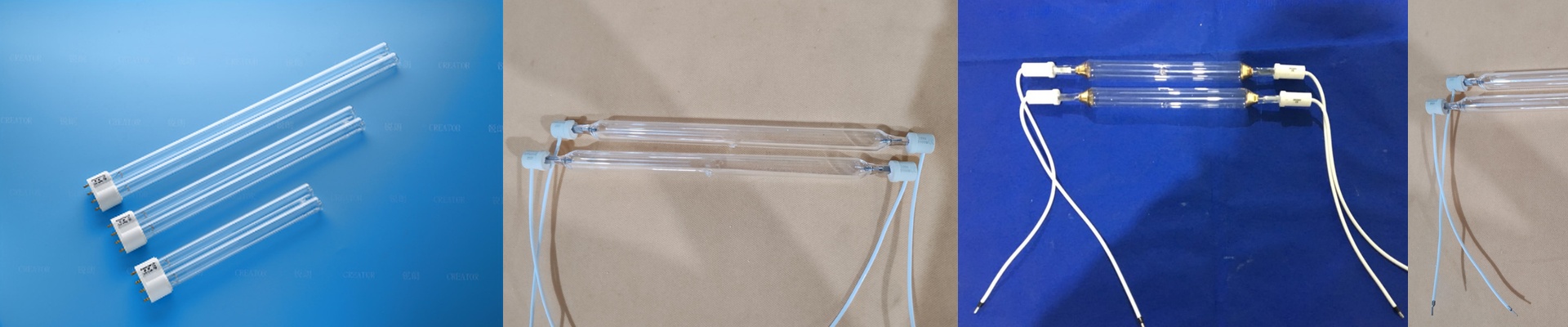
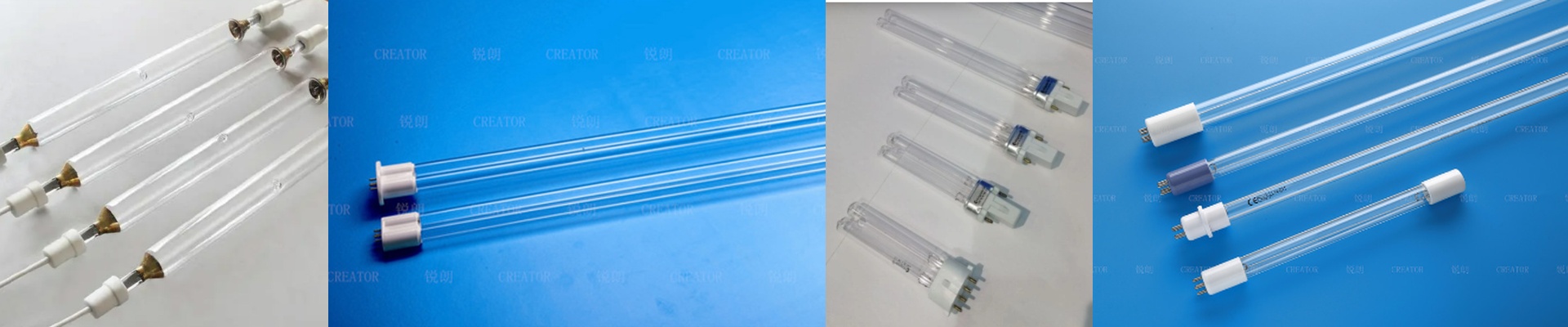
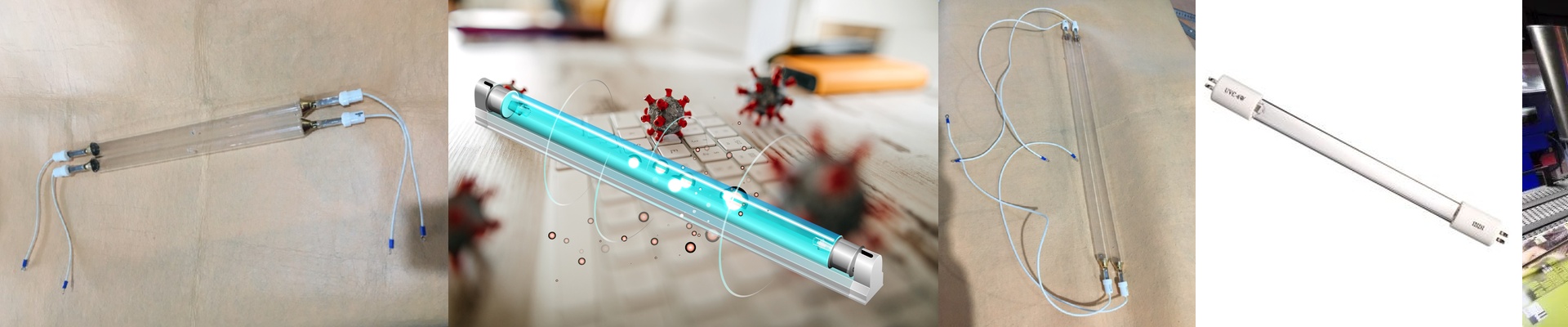
On the press floor, heat-sensitive fabrics don’t give you any slack. A standard mercury lamp can push surface temps high enough to distort knits, melt synthetics, and make everything drift dimensionally. Then you’re scrapping runs and redoing makeready. We built a metal halide gallium UV lamp that behaves like a true cold source. The spectral output is tuned to 365–395 nm, which lines up with modern low-migration and textile-grade UV inks. Photoinitiators fire fast. Peak irradiance hits 12–15 W/cm² at the substrate, and in typical screen and flatbed setups we keep substrate temperature under 45°C. It runs ozone-free, and the dichroic-coated reflector focuses usable UV while cutting the IR. Output stays stable across the life curve: 5,000 hours with under 5% drop, as long as you stay within rated power and cooling. That’s why this lamp plays well with heat-sensitive textile printing. You cure at line speed without scorching the fabric, so hand feel and color fidelity stay intact. Cycles pick up because curing stops being the bottleneck, and rejects drop because the cure is consistent edge to edge. Energy draw is lower, too. High electrical-to-UV conversion and a tight reflector geometry mean less wasted heat and lower operating cost. Installation drops into standard UV modules, but thermal management is not optional. Match the lamp to a reflector geometry that gives you the dose profile you need, and make sure your cooling capacity is verified to hold the stated substrate temperature. Check your ink’s photoinitiator window, and map the web with a radiometer. Dose and peak irradiance have to be enough—just not excessive.