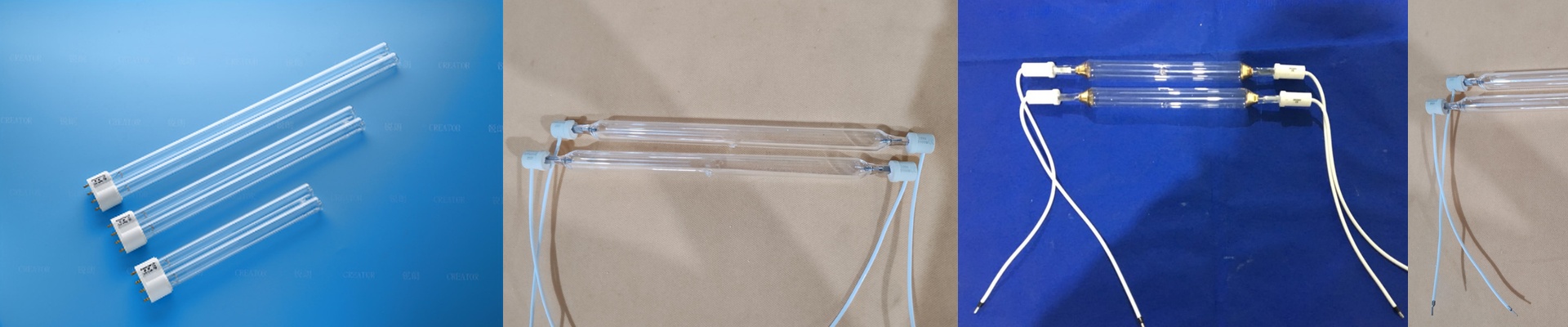

The Real Deal on Gallium Iodide Lamps
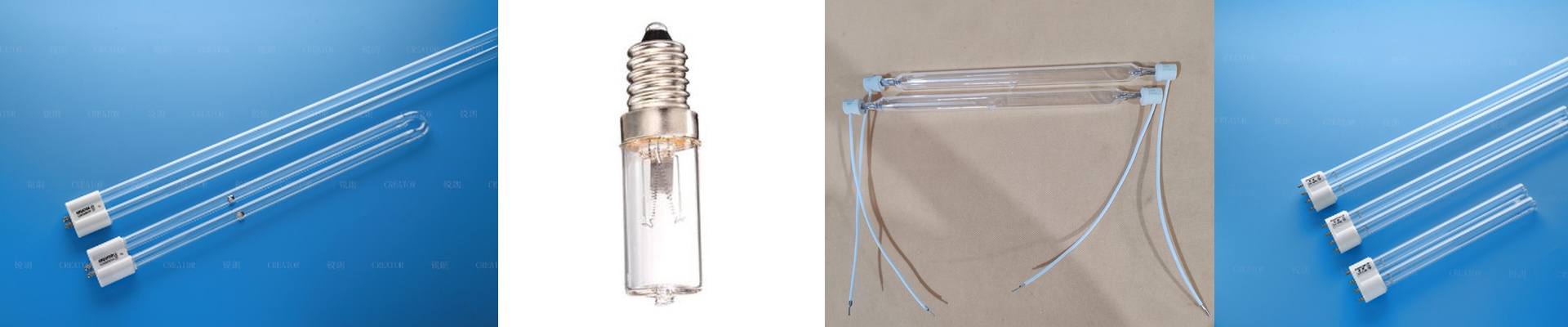
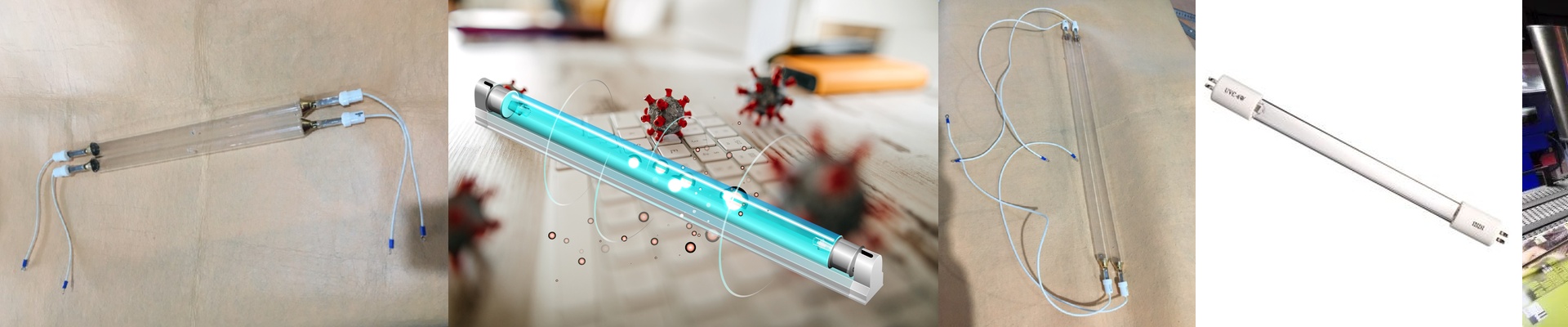
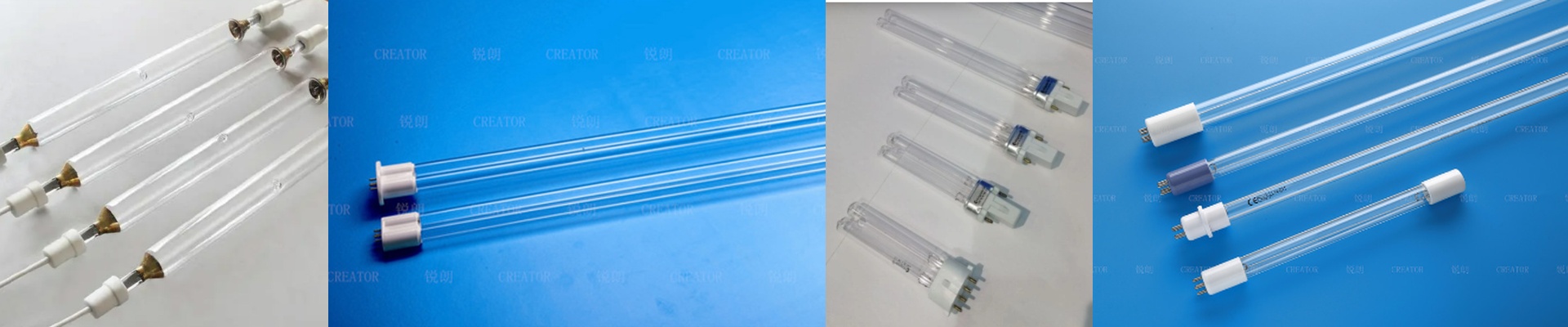
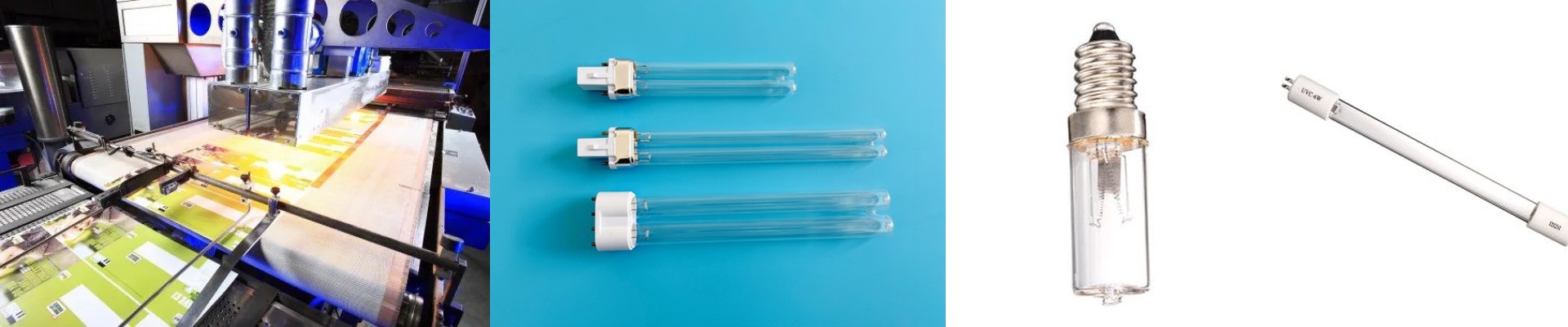
Let’s talk about Gallium Iodide (GaI) lamps. If you’re working in the 250nm to 350nm UV range, you know these things are finicky. For 15 years, we’ve been obsessing over the chemistry and the quartz work behind these tubes. Why? Because we got tired of dealing with inconsistent imports that felt like a gamble every time you ordered a new batch. We wanted something that actually works the same way every single time. It all comes down to the mix. Inside that quartz envelope, the ratio of gallium to iodine has to be spot on. If the filling pressure is off by even a tiny bit, your spectral peak shifts. That sounds like a minor detail, but in the real world, it means your curing process fails or your sensors start lying to you. We spend a lot of time on the vacuum sealing process just to make sure that light stays stable from one end of the tube to the other. Then there’s the glass. We use high-purity synthetic quartz because standard glass eventually “solarizes”—it gets cloudy and useless as the UV radiation eats away at it. But here is a pro tip:**don’t touch the tubes with your bare hands.**I know it’s tempting, but the oils from your skin create hot spots. Those spots lead to cracks and premature burnout. It’s a frustrating way to kill an expensive lamp. A word on power. You might be tempted to push more wattage into a shorter tube to get more intensity. You can do that, but it puts a massive amount of stress on the electrodes. If you go high-wattage, just make sure your ballast and fans can actually move the heat. If the envelope warps, you’re in trouble. Will it actually fit? Nothing is worse than getting a replacement lamp only to find it doesn’t seat right in the socket. We’ve seen it happen with too many international brands—a millimeter of difference in the pins and suddenly you’ve got arcing at the base. We machine our electrodes to tight specs. No fighting with the socket, no forcing things into place. You just plug them in and get back to work.