Getting Your UV Curing Right for Textile Printing
In the world of textile printing, there’s a very thin line between a crisp, professional print and a smeared mess. It all comes down to curing speed. We build our UV lamps to handle that split-second window where ink turns from a liquid to a solid on flexible fabric. It’s not just about “turning on a light.” It’s about hitting the ink with the exact amount of energy needed to lock it in place before the fabric moves a single inch down the line.
The Balancing Act: Power vs. Heat
Here’s the tricky part: you have to balance intensity with heat. If you crank the wattage too high while your line is moving slowly, you’re going to scorch the fabric. But if you go too low? The ink stays tacky. That leads to “blocking,” which is basically a nightmare where the fabric sticks to itself as it rolls up. We calibrate our arc discharge so the wavelength hits the photoinitiators in your ink perfectly. This means the ink bonds all the way through, not just on the surface.
The Hardware Side of Things
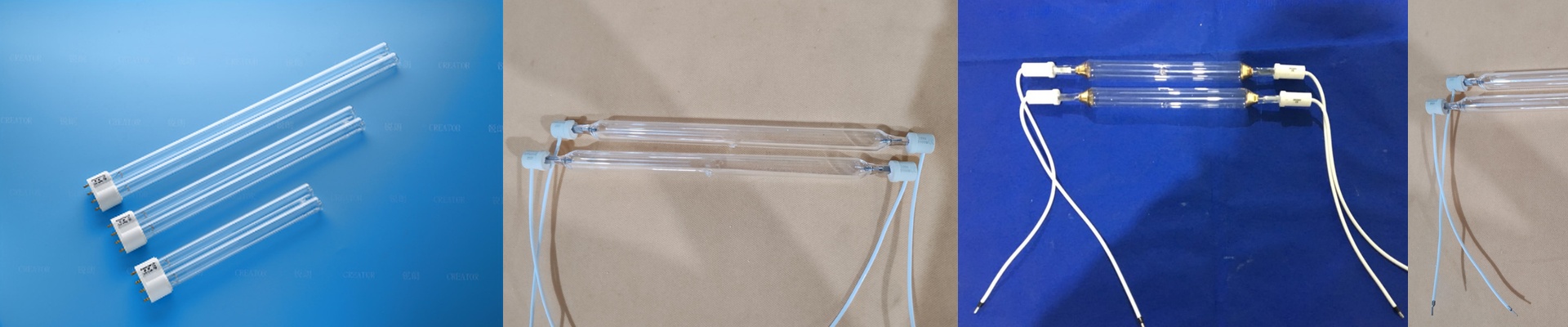
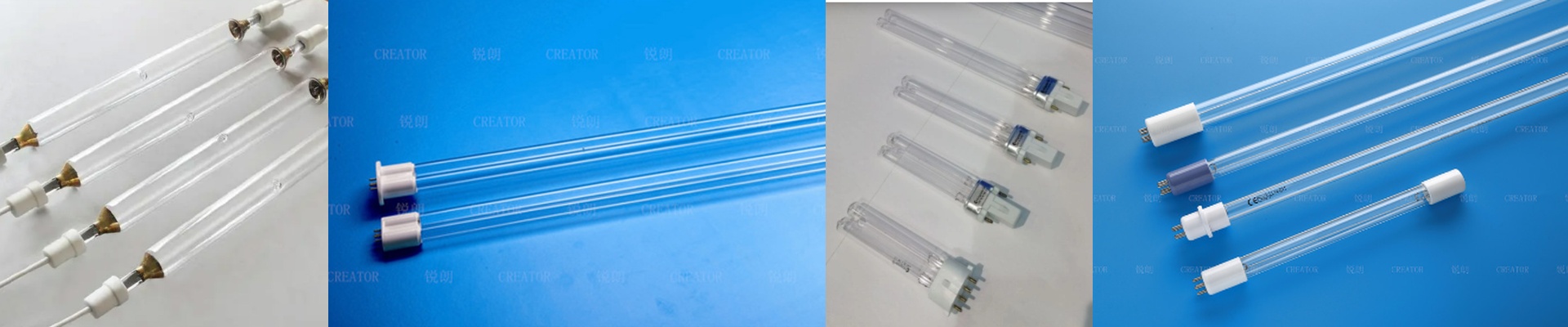
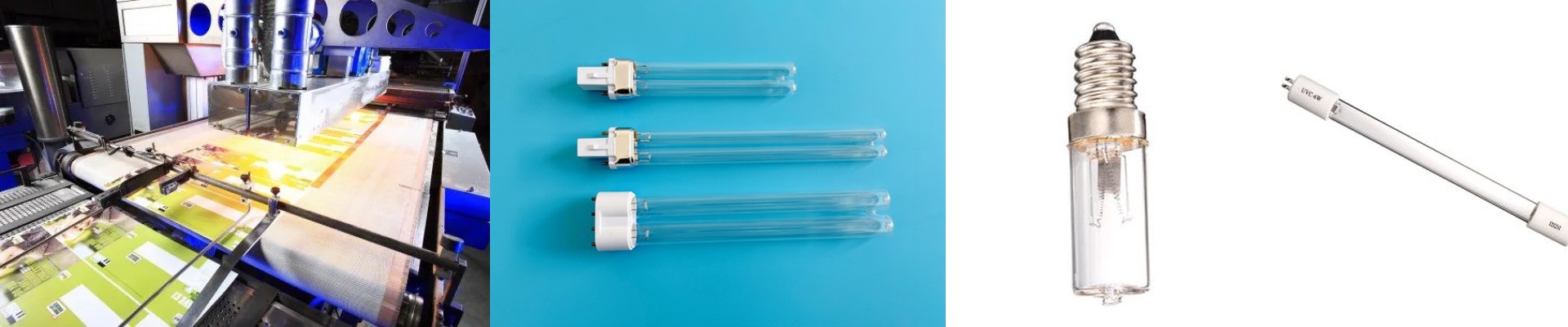
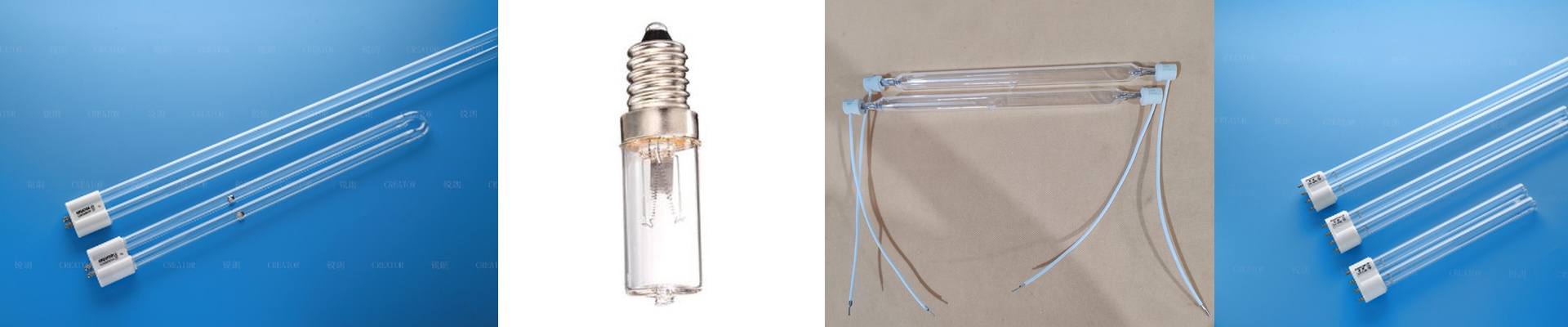
UV lamps get hot. Really hot. To keep things from cracking under that thermal stress, we use high-grade quartz glass. We also keep the footprint small. Why? Because nobody wants to rip out their entire curing tunnel just to upgrade a lamp. We make sure they fit where they’re supposed to. But there is a trade-off. If you run your lamps at max power to speed up production, you’ll burn through the electrodes faster. It’s a bit of a tug-of-war between how fast you want to produce and how often you want to replace parts. You’ve got to find that sweet spot to avoid a lamp dying right in the middle of a big shift.
Making it Work on Your Shop Floor
When you’re setting these up, make sure your voltage is stable. Power spikes are killers—they’ll snap the arc and eat away at the lamp’s lifespan. We use secure connectors specifically to stop arcing at the terminals. And one last tip: check your conveyor speed. The amount of time the fabric spends under the lamp—the “dwell time”—has to match the UV dose. If they aren’t in sync, you’ll see the print bleed. Keep those two in harmony, and you’re golden.