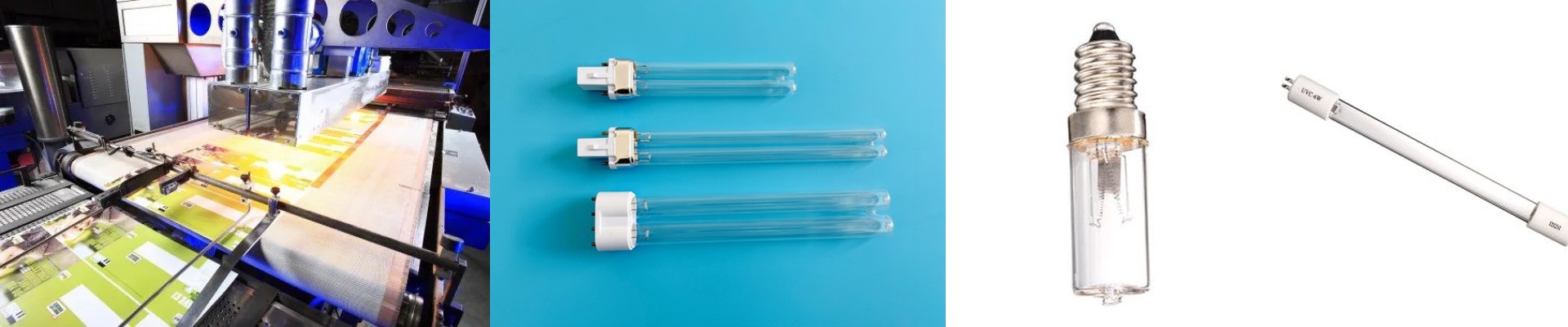
Let’s Talk About Custom UV Curing Lamps
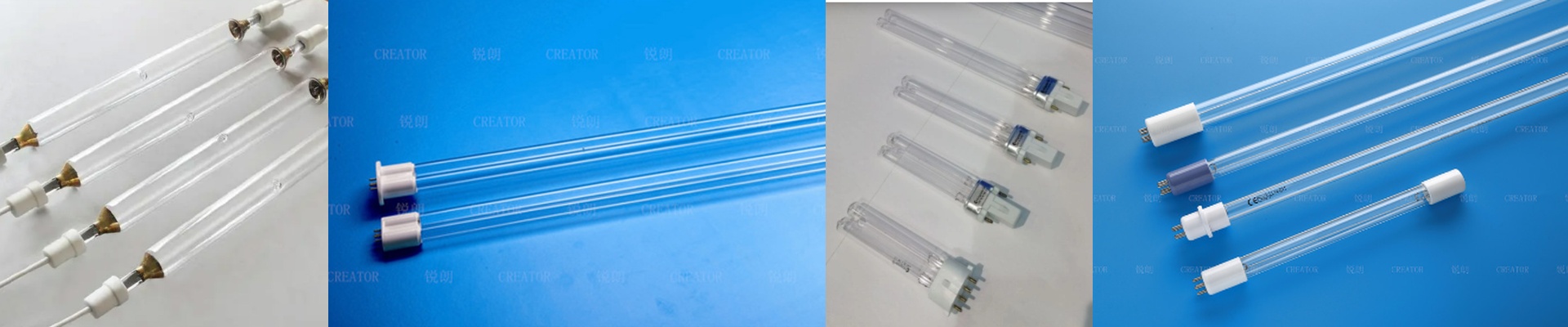
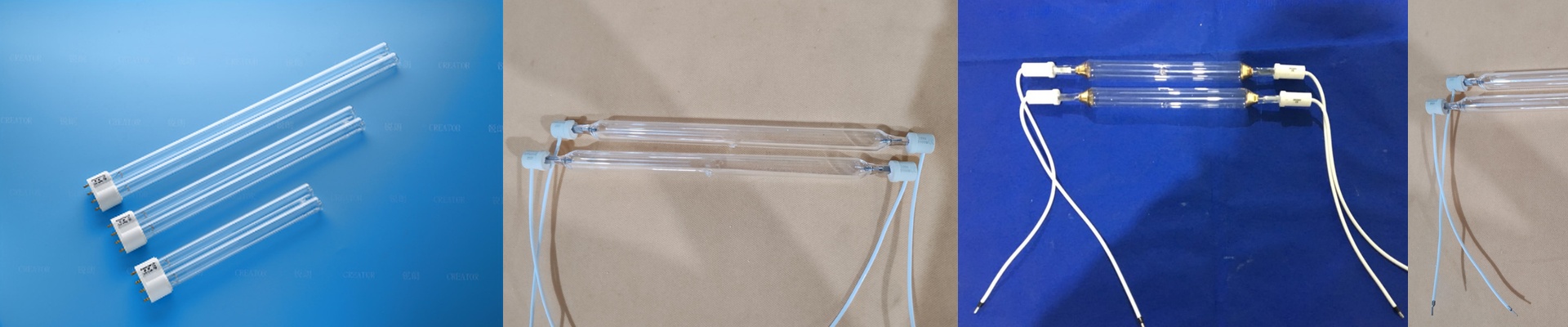
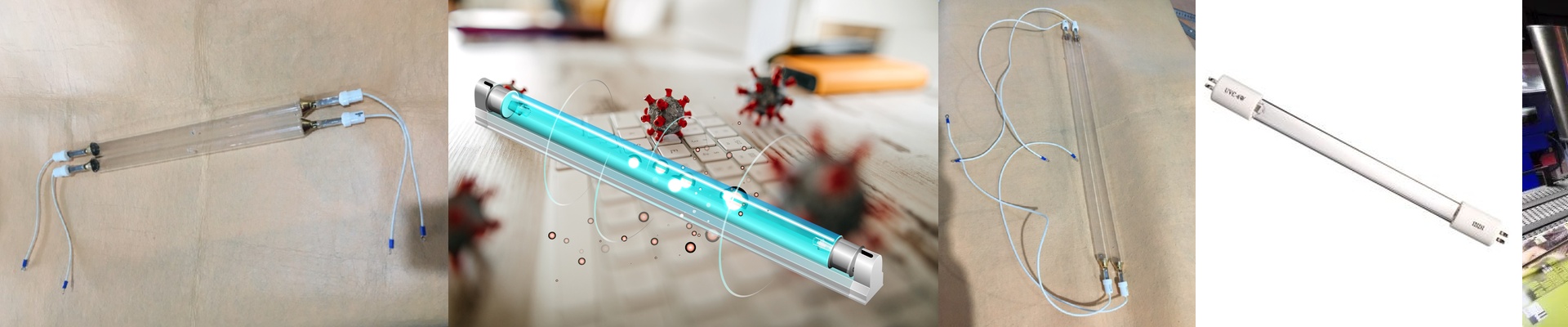
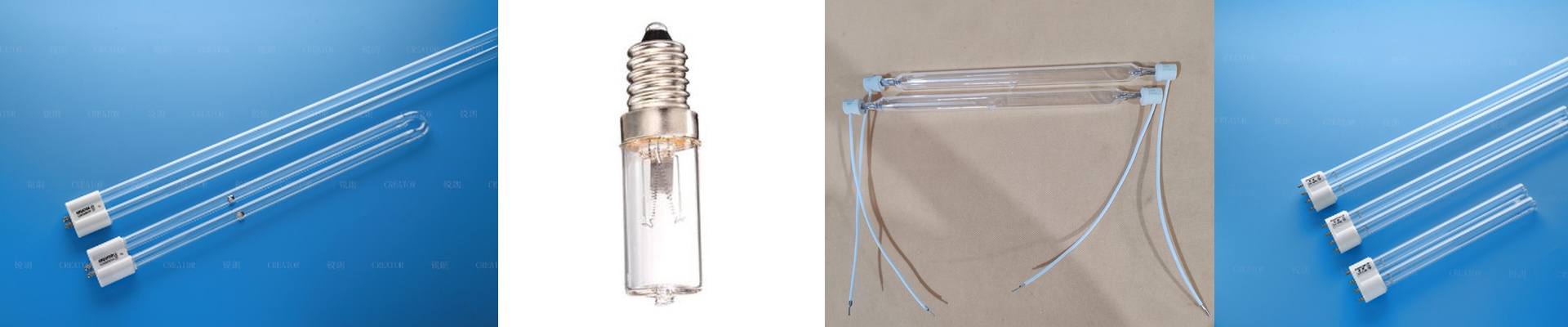
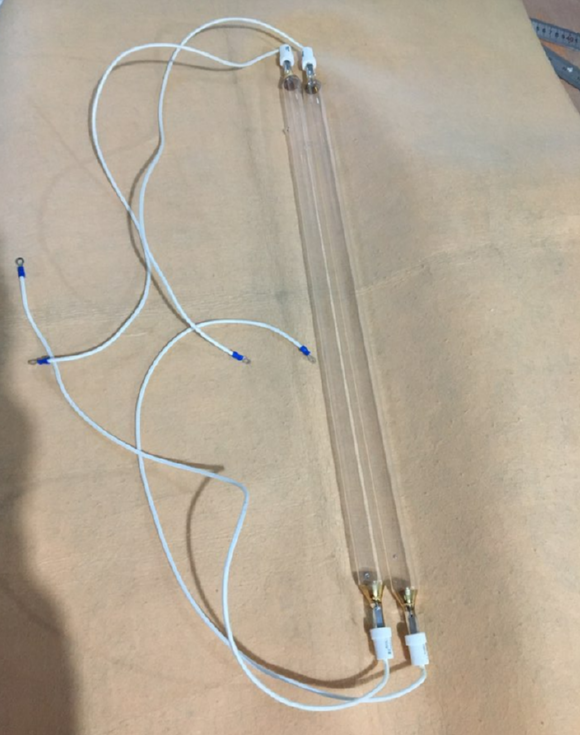
Look, UV curing lamps aren’t just things you plug in and forget about. They’re precision tools. We build these to hit a very specific spectral output—the kind that actually triggers the chemistry in your adhesives, inks, and coatings. When you’re spec-ing out a custom lamp, you’re basically walking a tightrope between getting the wavelength exactly right and managing the heat. The balance of power and light It all comes down to irradiance. To keep up with the biggest names in the business, we obsess over the mercury vapor pressure and the purity of the quartz sleeves. Now, high-wattage tubes are great for curing thick films, but they run hot. Really hot. That means you’ve got to keep your conveyor speed and cooling fans in total sync. If your line crawls, you’re going to scorch your materials. If it flies by too fast? Your coating stays tacky. It’s a frustrating place to be. Getting the fit right We can tweak the length and where the electrodes sit so the lamp fits your existing setup perfectly. If a replacement lamp is off by even a tiny bit, you get “shadowing” or uneven curing. It’s a nightmare to fix. To stop the glass itself from soaking up the UV light, we use high-purity fused quartz. This makes sure the maximum amount of UVC/UVB radiation actually hits your part, not the lamp housing. The real-world trade-offs We benchmark our gear against the industry giants. If our custom lamp doesn’t hit those same cure rates, we’ll give you your money back. Period. That’s a promise, not a sales pitch. But here’s the thing: there’s always a trade-off. If you push a lamp to its absolute maximum wattage, you’ll get your parts through the line faster, but you’ll burn through the electrodes quicker. You’re trading maintenance time for cycle time. One last tip: make sure you’re using a stable ballast. If the power flickers, you’ll see striations in your finish, and nobody wants a product that looks striped.