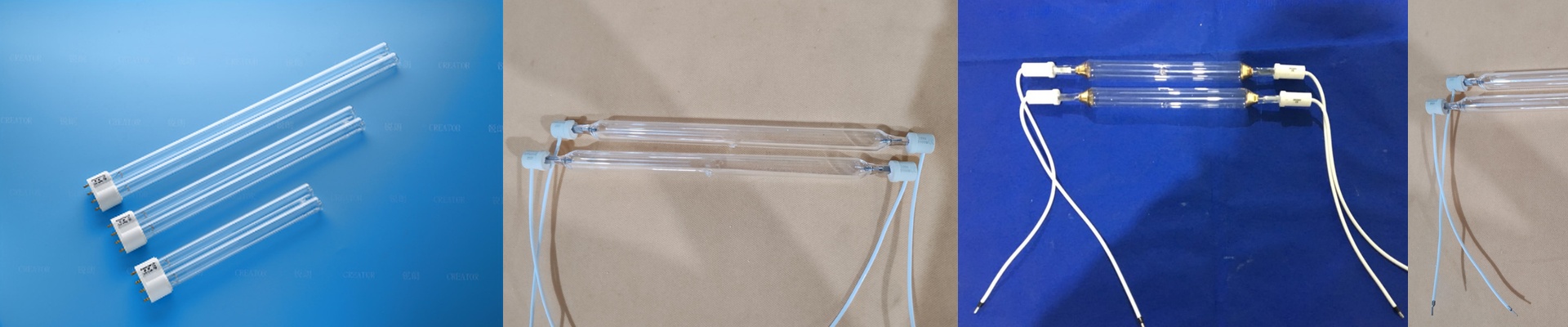
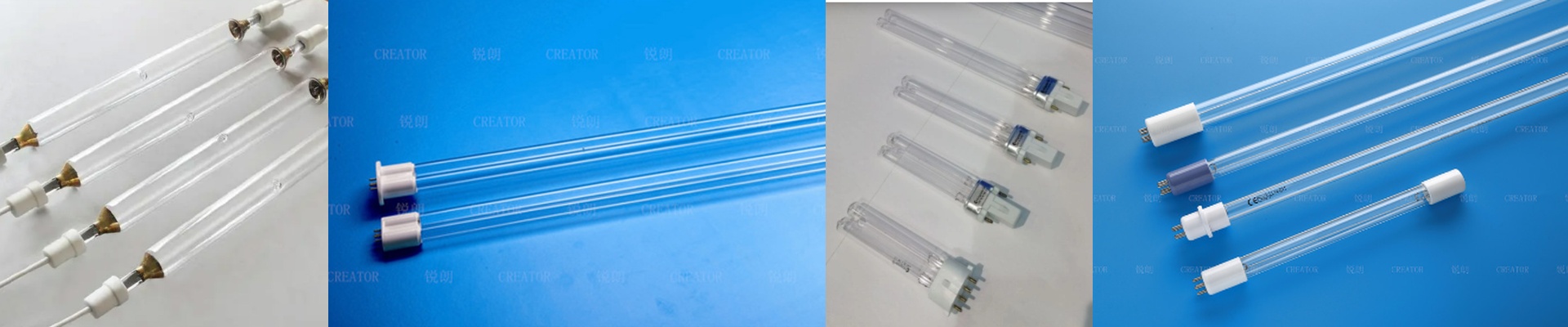
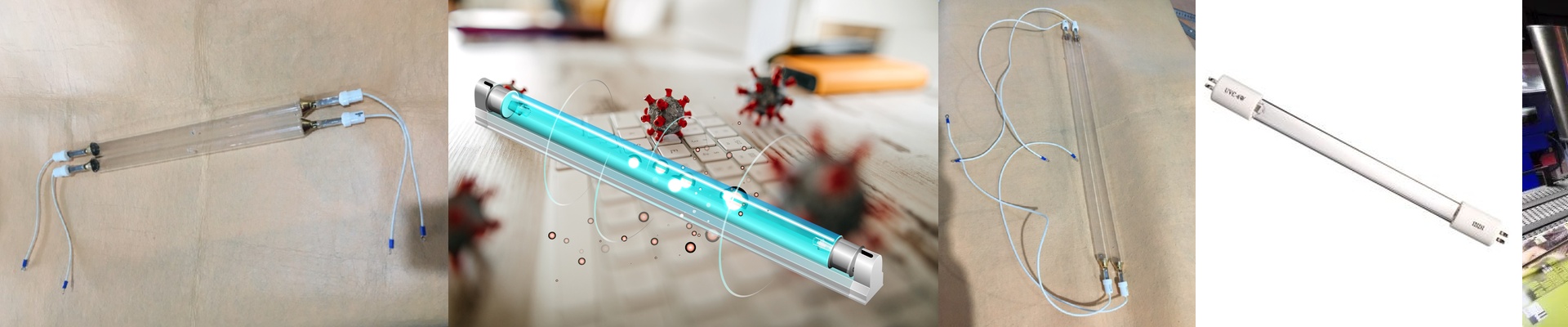
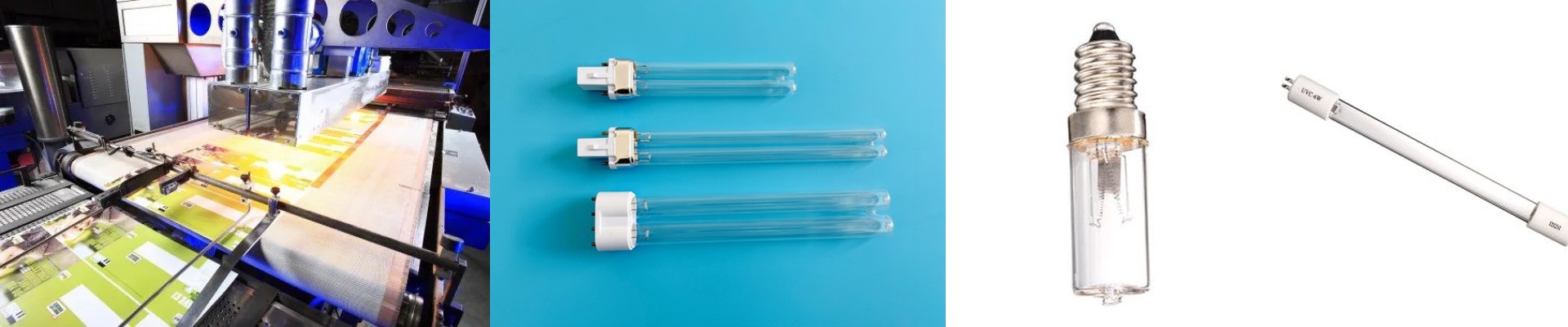
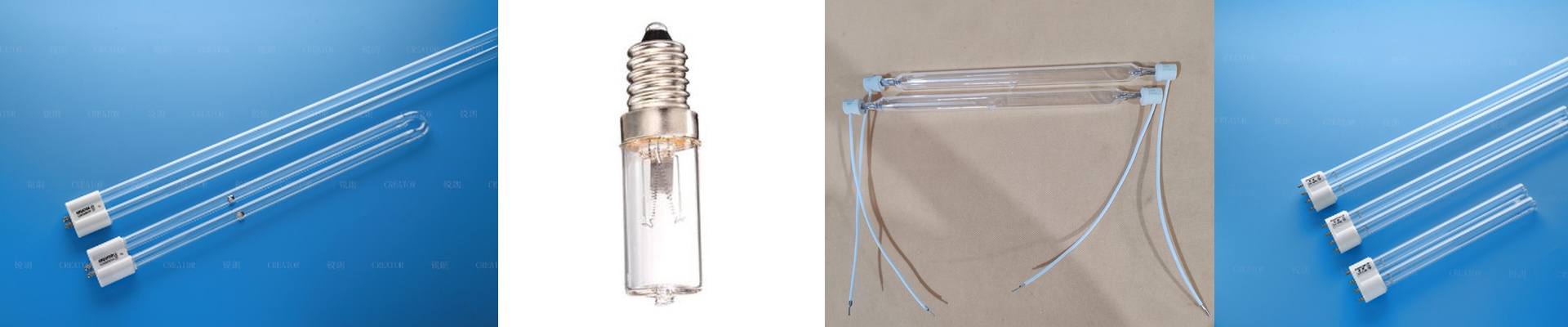
Getting the Light Exactly Right: The Story Behind Our 0.5% Spectral Focus
In the world of industrial UV curing, it all comes down to photons. But here’s the problem: most high-pressure mercury lamps are a bit messy. They throw light everywhere, even where it isn’t needed. We spent a lot of time in the lab trying to fix that. We wanted to narrow that window down to a 0.5% spectral energy concentration. Now, that sounds like a dry technical spec, but it’s actually about how photoinitiators work in the real world.
Why Precision Actually Matters
Think about a standard lamp. A lot of the energy it pumps out just… misses. It hits wavelengths that don’t actually help the curing process. That wasted energy doesn’t just disappear. It turns into heat. And heat is the enemy. It warps your substrates or “over-bakes” the surface, leaving you with a top layer that looks done while the bottom is still wet. To stop that, we messed around with the quartz envelope doping and tweaked the internal gas pressure. We tightened those emission peaks. By squeezing the energy into that 0.5% variance, the photons hit the photoinitiator’s absorption band exactly where they need to.
Dealing with the Heat
These lamps run hot. Really hot. To keep that tight spectral focus from falling apart, we use high-purity synthetic quartz. It stops the glass from clouding over or “solarizing” as the hours tick by. You get a steady, reliable output. But there’s a catch. When you concentrate energy like this, the heat buildup inside the arc tube gets more aggressive. You can’t ignore that. You’ll need to make sure your cooling fans or water-jackets are up to the task. If you skim up on the cooling, you’re just asking for a premature burnout.
Putting it to Work on the Floor
We didn’t want these to be a headache to install. We built them as drop-in replacements. They fit the same footprints and use the same wiring as your current UV arrays. Once you flip the switch, you’ll feel the difference in the curing speed. It’s noticeable. Because the energy is so focused, you have a choice. You can speed up your line to get more product out the door, or you can dial back the power draw and still get the same cross-linking density. Either way, your power supplies take a break and your reflectors last longer. It’s just a smarter way to run the line.