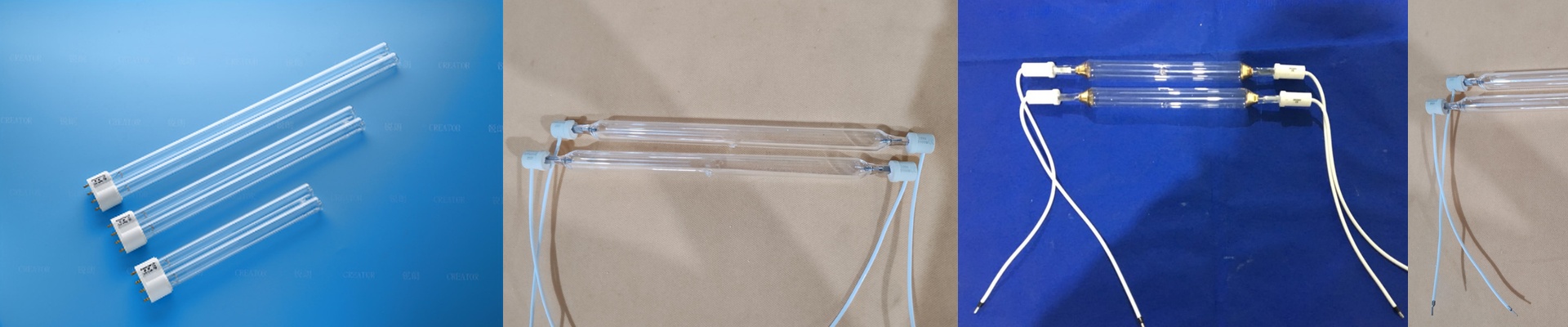
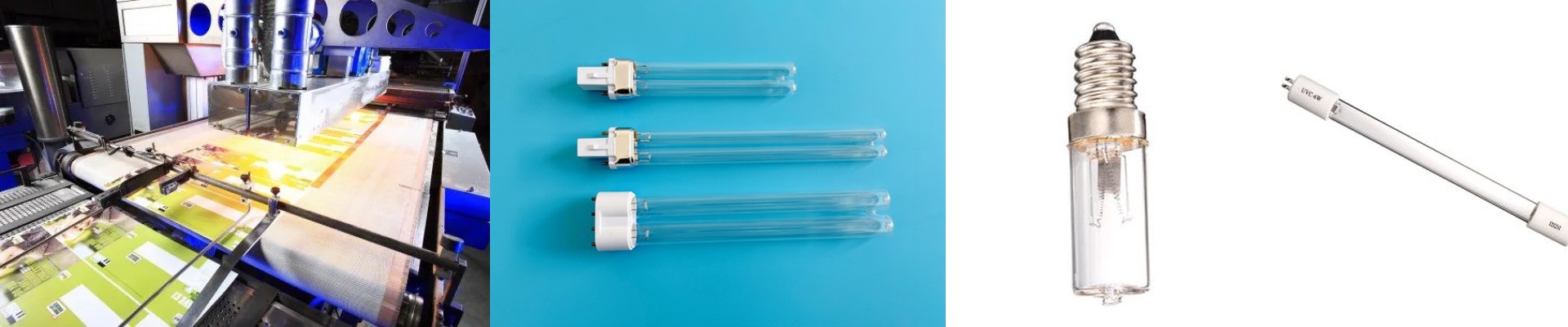
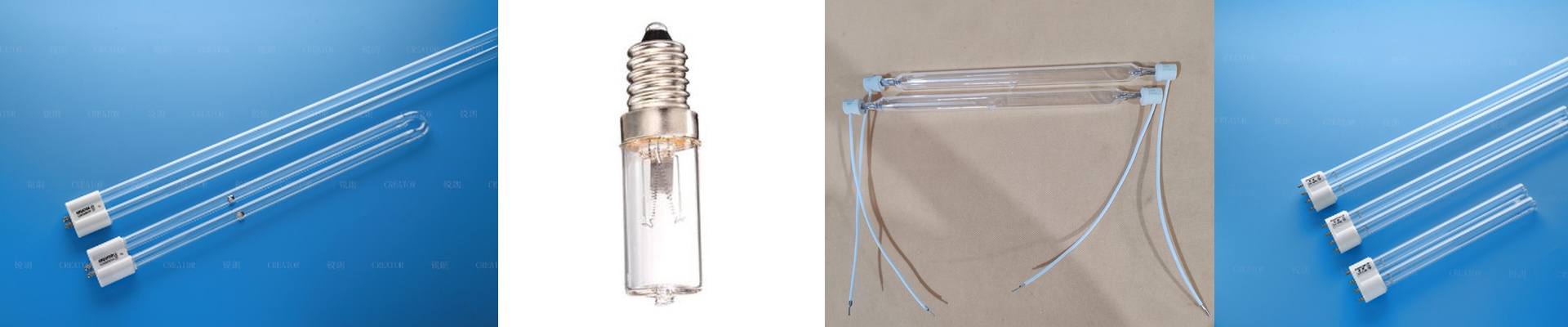
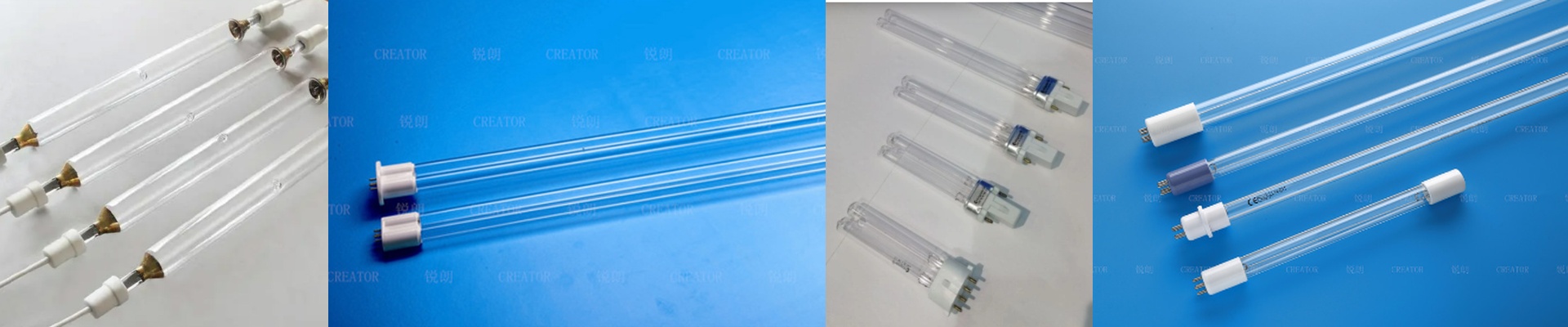
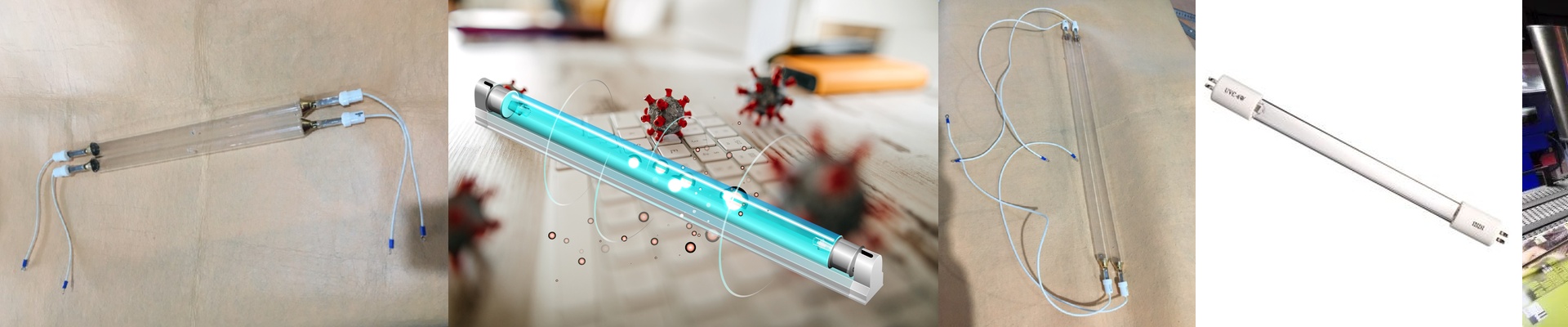
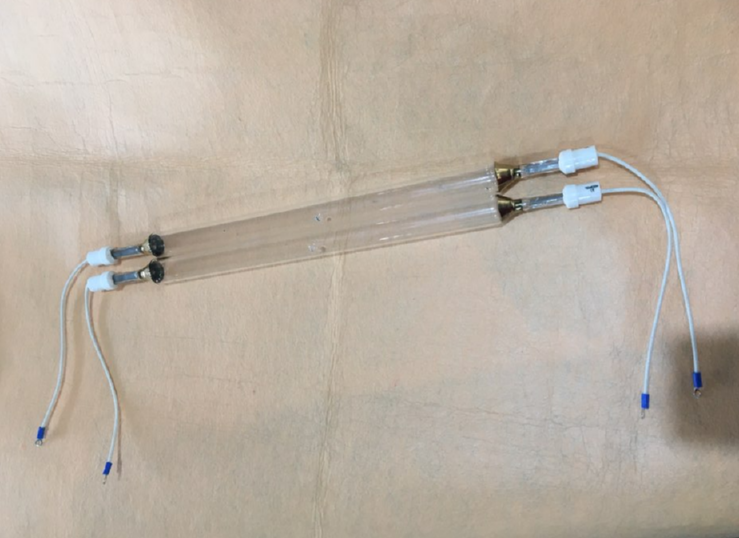
Why Your UV Tubes Actually Die (And How We Stop It)
Let’s be honest: nobody likes it when a production line slows down because the UV lamps are fading. You know the drill. You start seeing those “dark ends” on the tubes, the output drops, and suddenly you’re forced to crawl your conveyor speed just to make sure the resin actually cures. It’s a headache you don’t need. The secret to a tube that actually lasts comes down to the chemistry of the electrodes and the quality of the quartz. We spend our time obsessing over how to stop the electrodes from eroding and keeping the mercury right where it belongs.
More Than Just a “Longer” Lamp
Most of the generic tubes out there use the same old basic formulas. We do things differently. We use our own patented coatings and gas mixes to keep the lamp stable for way longer. But here’s the thing: it’s not just about the lamp staying “on.” It’s about theintensity. If your UV output shifts even a little, your cure rate tanks. That’s how you end up with tacky surfaces or uncured resins that ruin a whole batch of product. We make sure the power stays consistent for thousands of hours.
The Legal Nightmare of “No-Name” Tubes
Buying cheap, unbranded tubes feels like a win until it isn’t. In the world of international trade, patent laws are brutal. If your supplier doesn’t actually own the IP for the chemistry or the design, your shipment can be seized at customs. Or worse, you could get hit with a lawsuit in the market where you’re selling your machines. We own our patents. Period. That means you can ship your equipment anywhere in the world with our lamps installed and sleep soundly knowing there are no legal traps waiting for you at the border.
The Catch (Because There’s Always One)
Now, these long-life tubes aren’t “plug and play” in the sense that you can treat them like a lightbulb in your kitchen. They need a proper warm-up cycle to stabilize the arc. If you just slam them with max voltage from a cold start, you’re going to kill the lifespan. You also need a ballast that’s actually built for the specific impedance of these tubes. And for heaven’s sake,check your cooling. If your airflow is weak, the quartz envelope overheats. When that happens, the mercury degrades faster, and it doesn’t matter how fancy the patent is—you’re still going to burn through your tubes. Get the air moving, or you’re just wasting money.