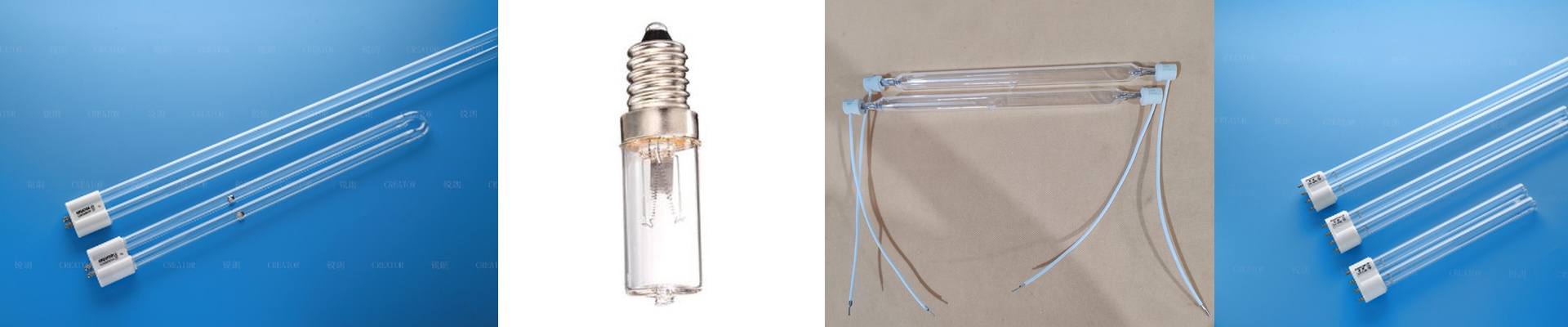
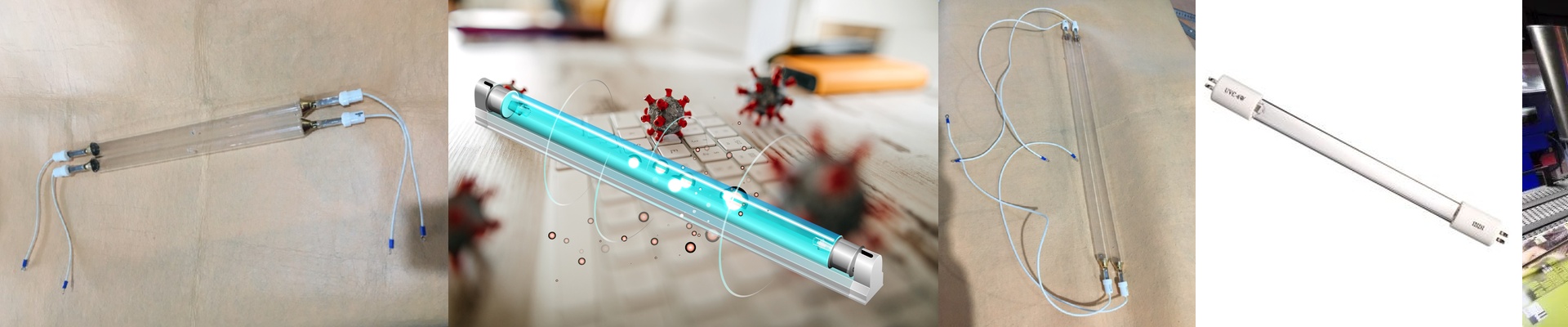
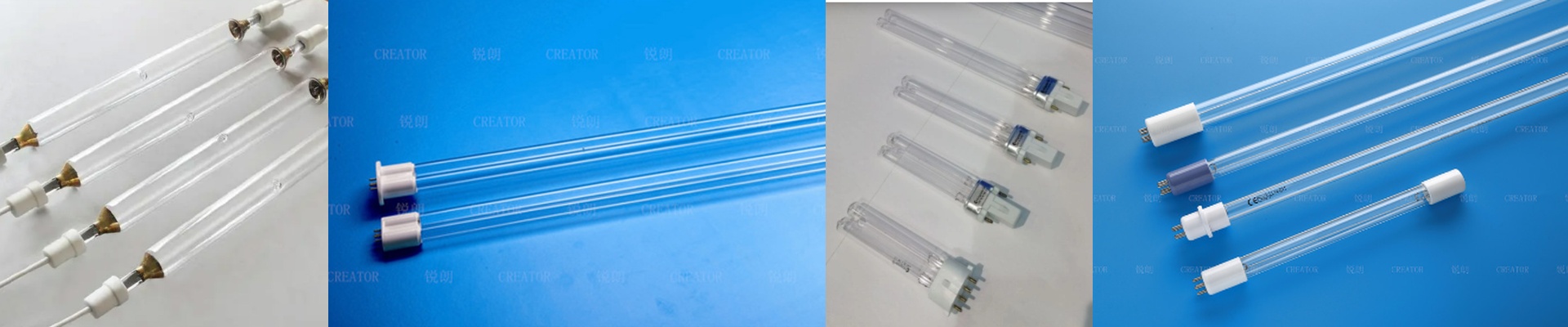
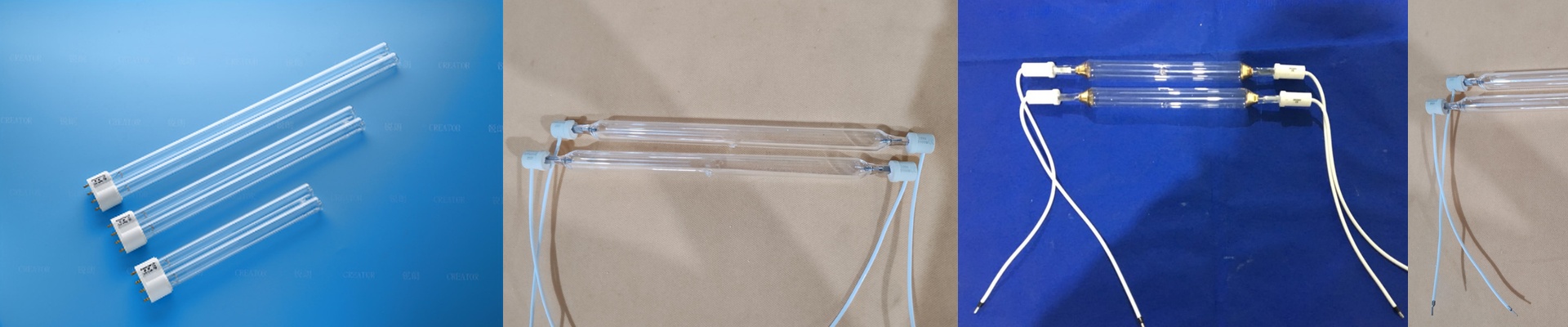
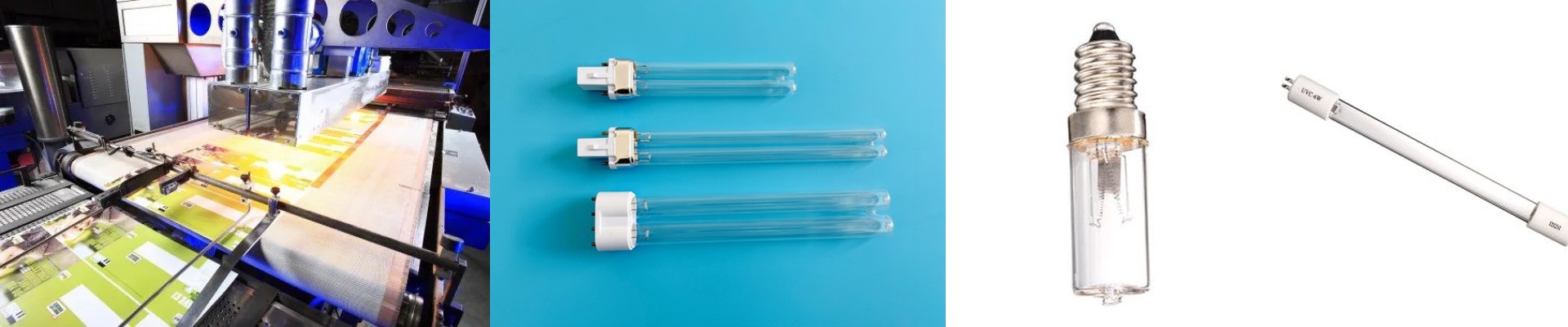
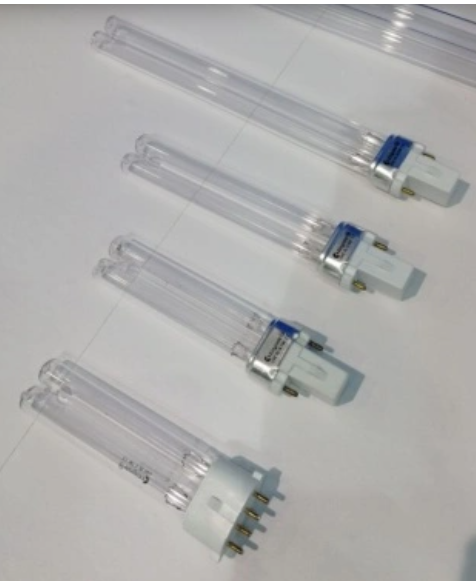
On the floor, heat-sensitive fabrics don’t give you much room. Standard UV lamps dump a lot of infrared, and you watch the substrate warp before the ink even has a chance to cure. So we built our industrial mercury UV radiator to run as a true cold-light source—because that’s the constraint this job comes with. The key is spectral control and keeping the heat out of the web. The mercury vapor lamp uses a special quartz envelope and a dichroic reflector assembly that leans hard on the UVA band, peaking at 365 nm, while cutting IR transmission. That gives you a tight spectral window that hits photoinitiators in UV inks and drives rapid cross-linking—without cooking the fabric. In practice, we’re hitting a peak irradiance of 1200 mW/cm² at the substrate plane, and surface temperature rise stays under 25°C even on continuous runs. PET blends, nylon, and coated synthetics stay dimensionally stable, which is exactly what you need. Here’s why it fits the workflow: you get a stable curing window that keeps pace with high-speed textile printers. We match lamp power to line speed, so you’re locking in a minimum curing energy density of 600 mJ/cm² for standard formulations, and up to 1200 mJ/cm² for pigment-rich inks. The payoff is faster cycles, consistent adhesion, and lower energy draw compared to broad-spectrum systems. Now, the practical details. Integration comes down to reflector geometry and lamp positioning—get those wrong and you won’t hit the target irradiance profile. The lamp runs at a specific arc length and voltage; if the drivers are mismatched, the spectral output drifts and lamp life takes a hit. Our design is ozone-free, but the output is high-intensity, so interlocks matter and you need routine radiometer calibration. Plan on 20,000+ hours of stable output with controlled degradation, and keep reflector inspections on the schedule to hold peak performance.