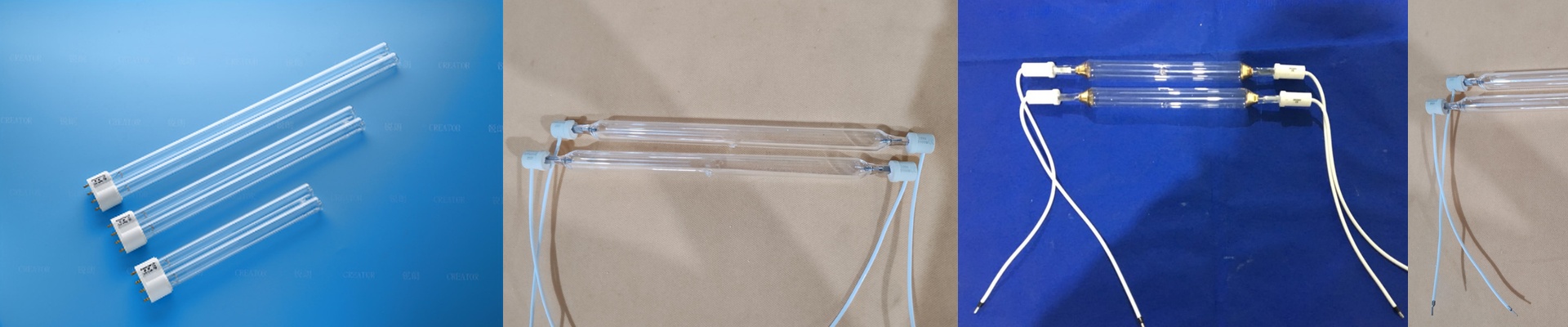
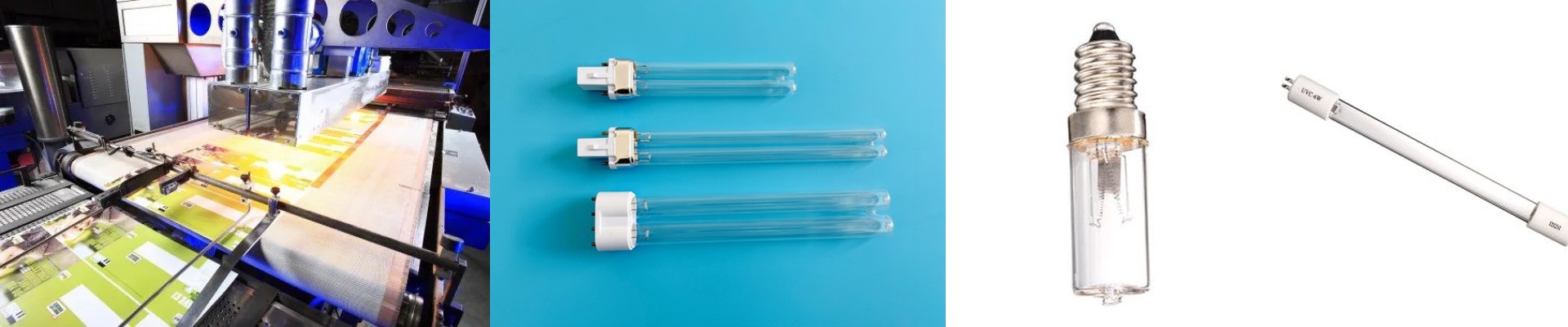
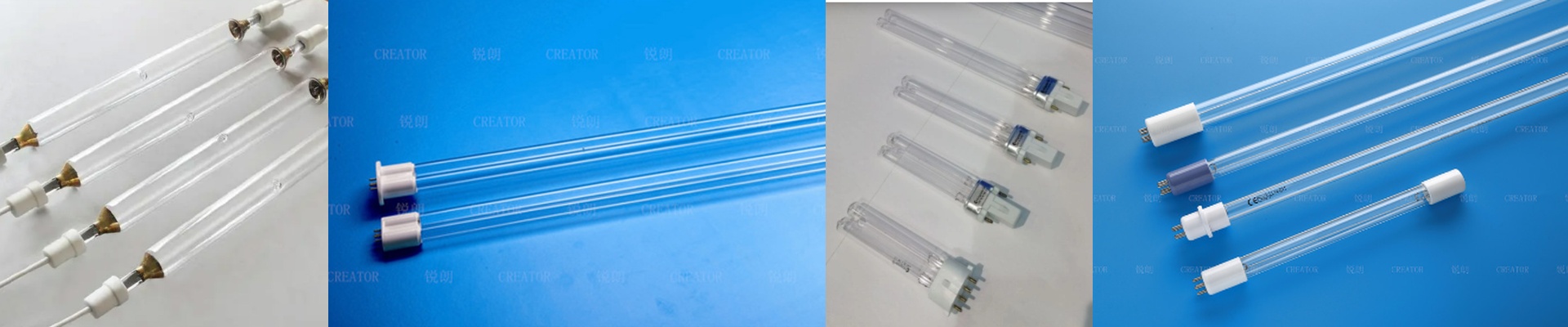
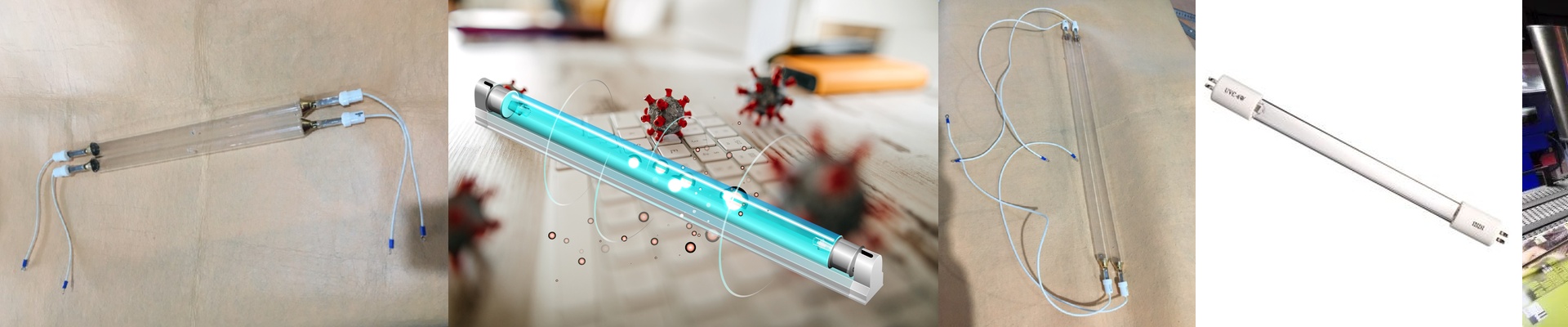
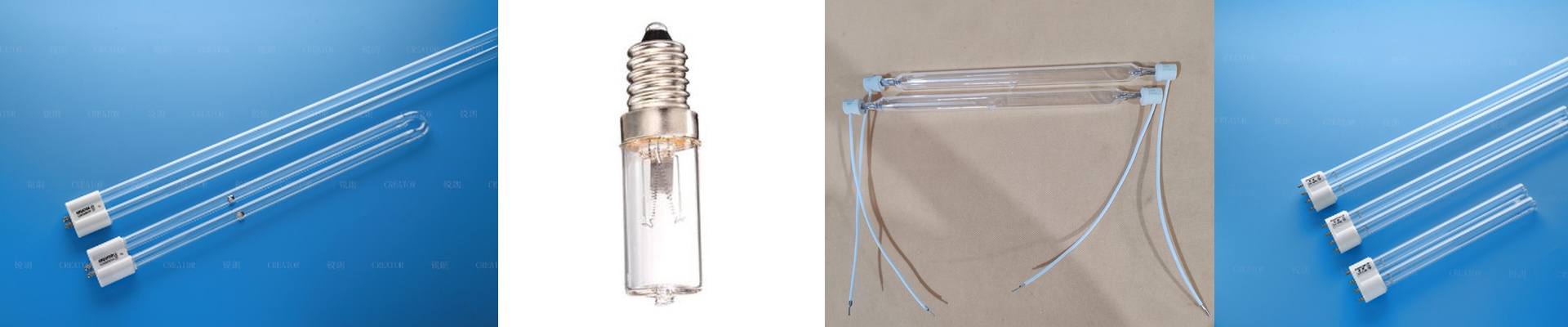
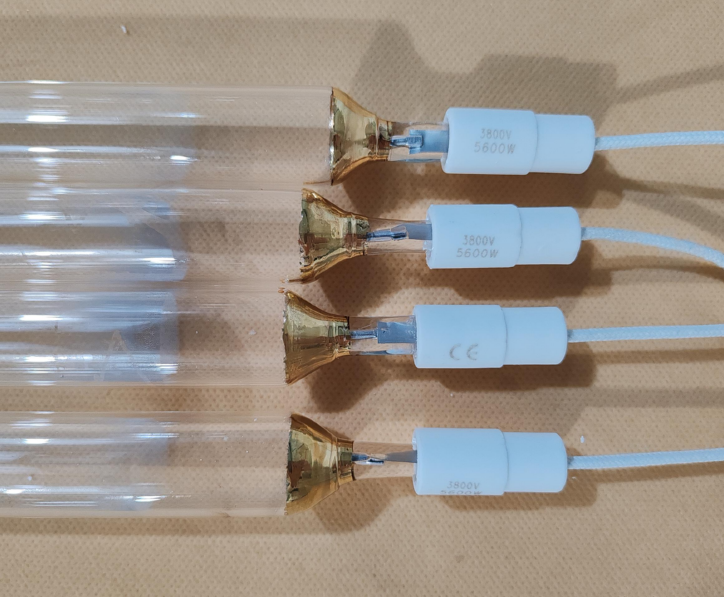
On press, a missed cure isn’t just a defect. It’s downtime. When you’re running tens of thousands of rapid flash cycles, the cathode design in the lamp decides whether peak irradiance shows up on time—or drifts as thermal load builds.
What matters under the hood
We design the cathode for low thermal inertia, so the mercury vapor arc settles quickly after every flash. That gives you repeatable spectral output and consistent peak irradiance—measured at the substrate, not just at the arc. In practice, the photoinitiator in your UV-formulated coating gets the same energy density, shot after shot. You get fast cross-linking without cooking the web or the sheet.
Why this holds up on real runs
This cathode approach is why we can keep up with tens of thousands of rapid flashes without the output sagging from fatigue. On offset, flexo, screen, and other industrial printing lines, that means higher speeds, fewer rejects, and lamp behavior you can count on—shift after shift. Energy use drops because the system spends less time idling hot and more time delivering the required mJ/cm² for cure.
What to keep in mind when you spec a UV lamp
Match the lamp to the press and the process. Offset presses often need high-pressure mercury vapor lamps with strong 365nm output to punch through thick ink films. Flexo and screen work often leans on 385nm or 395nm to balance surface cure with deeper through-cure. Double-check reflector geometry, the dichroic coating, and the shutter strategy against your machine’s lamp chamber. **One hard rule:**lamp output has to match the ink’s photoinitiator window. If the spectra don’t line up, you can get surface tack even when the energy readings look fine.