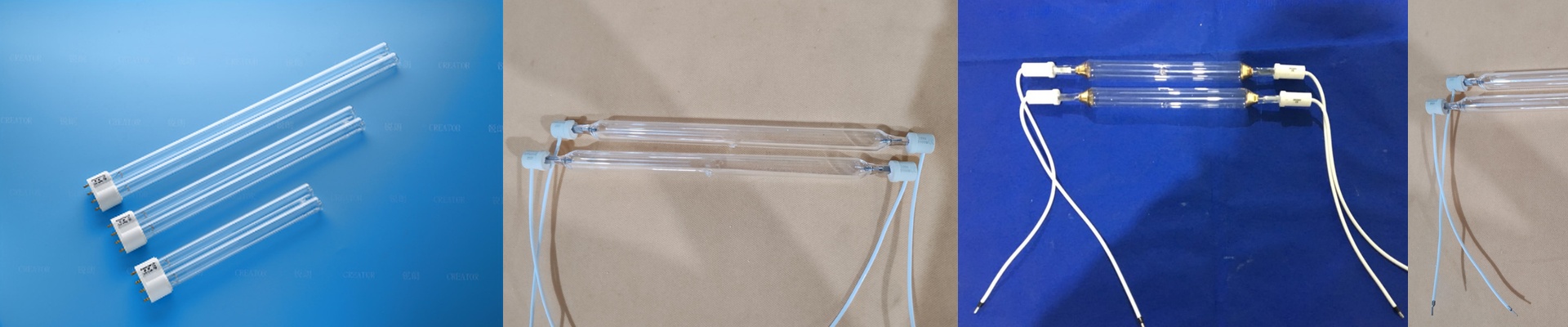
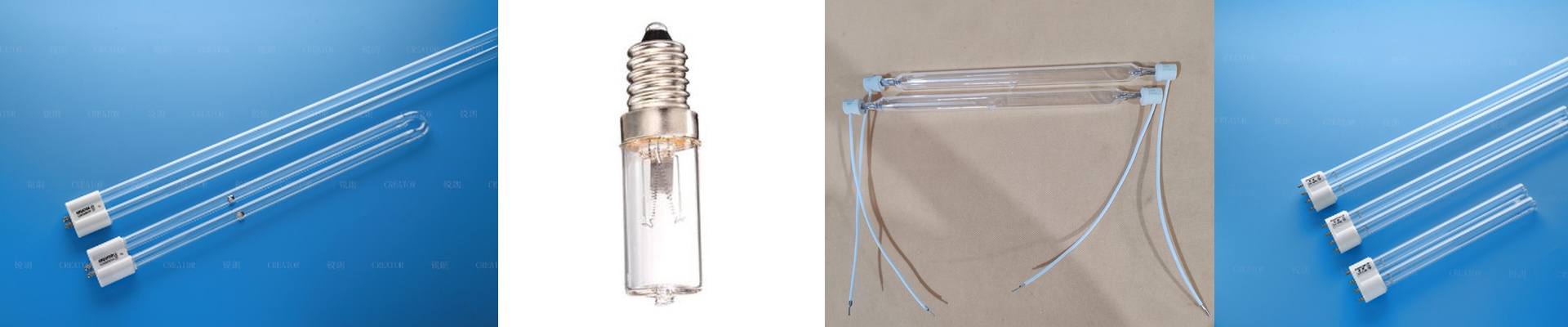
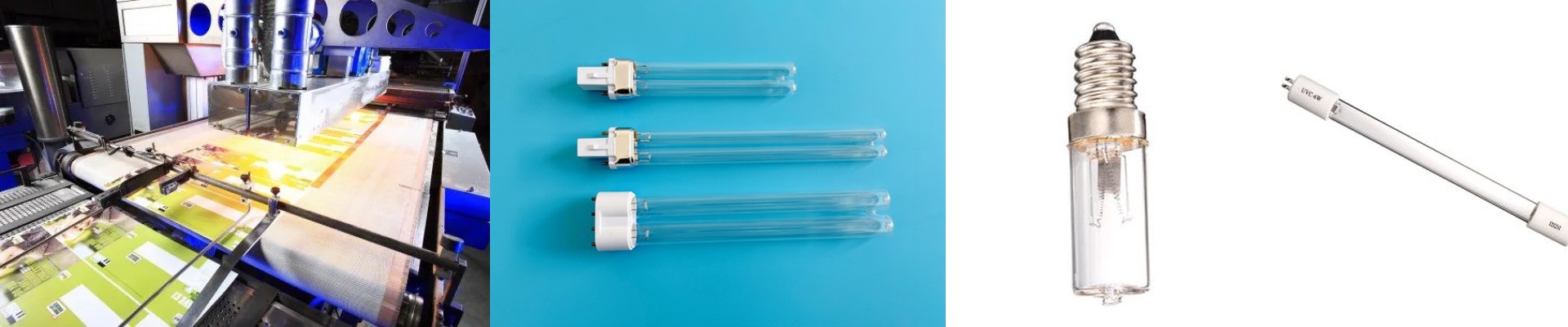
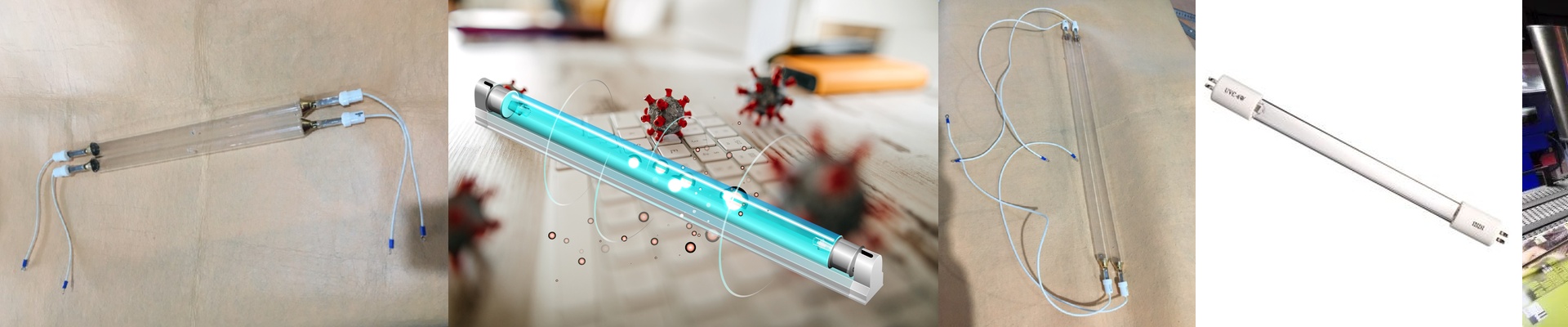
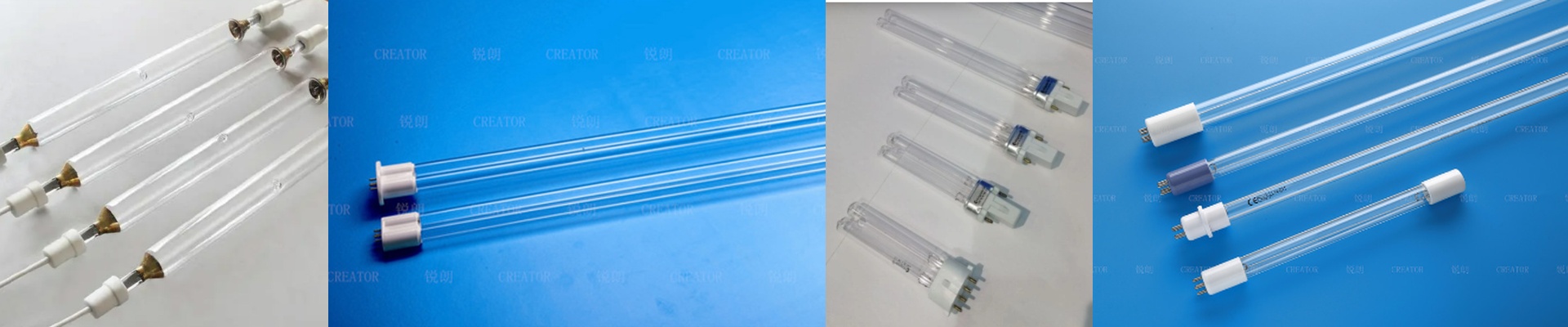
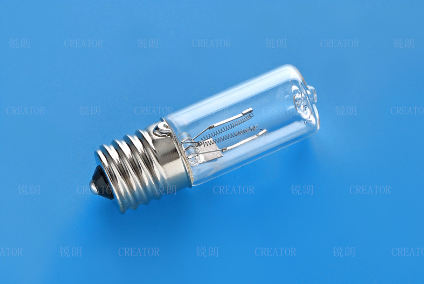
On a web press pushing 200 m/min, a UV lamp that can’t hold its spectral output doesn’t just risk a bad run—it shuts the line down. Currency work demands repeatability, period. Security inks have to cure instantly, and every feature needs to pass inspection. If peak irradiance dips or the wavelength drifts, the photoinitiators don’t fully kick off, and that ink film never hits the cross-linking density it needs. What matters under the hood We build the lamp around a stabilized high-pressure mercury vapor source, tuned for a tight spectral profile centered on 365 nm. That wavelength lines up with the absorption peak of the photoinitiators in common security inks, so the energy lands where it does chemical work. The system is spec’d to deliver peak irradiance above 12 W/cm² at the substrate plane and hold it across the full 200 m/min window. The reflectors use dichroic coatings to knock out IR and push more UV through, so substrate temperature stays under control. We spec an ozone-free quartz envelope and a controlled lamp-to-substrate gap because energy density (mJ/cm²) is what actually sets cure depth—not the nominal lamp power. Why it stays stable at 200 m/min At that speed, stability is the only setting that matters. The lamp holds output within ±3% over the entire duty cycle, so every impression sees the same energy density. You get consistent surface cure and full through-cure without blocking or migration, which keeps the verification systems reading true. Fewer rejects, fewer stops for warm-up, and predictable lamp replacement intervals. The practical details you can’t skip Matching the lamp to the press isn’t optional. On offset, we size the arc length to the sheet width and shape the reflector profile around the ink film thickness. On flexo and screen web work, we focus on uniformity across the repeat and fast-rise ignition. The operating window is tight. Substrate reflectivity, ink pigment loading, and cooling airflow all shift the energy density you need. Spec the lamp with the exact printer model and curing module geometry, and make sure the power supply matches the ignition and operating voltage.