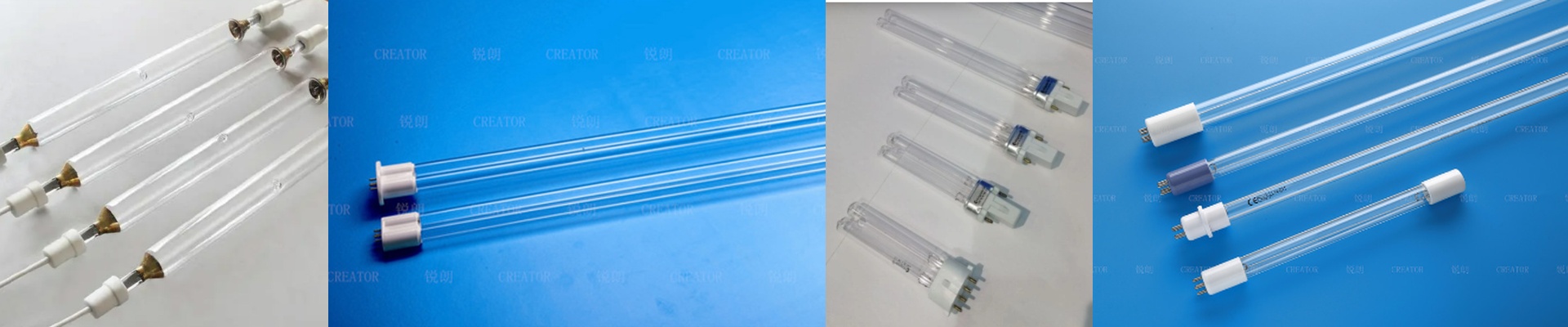
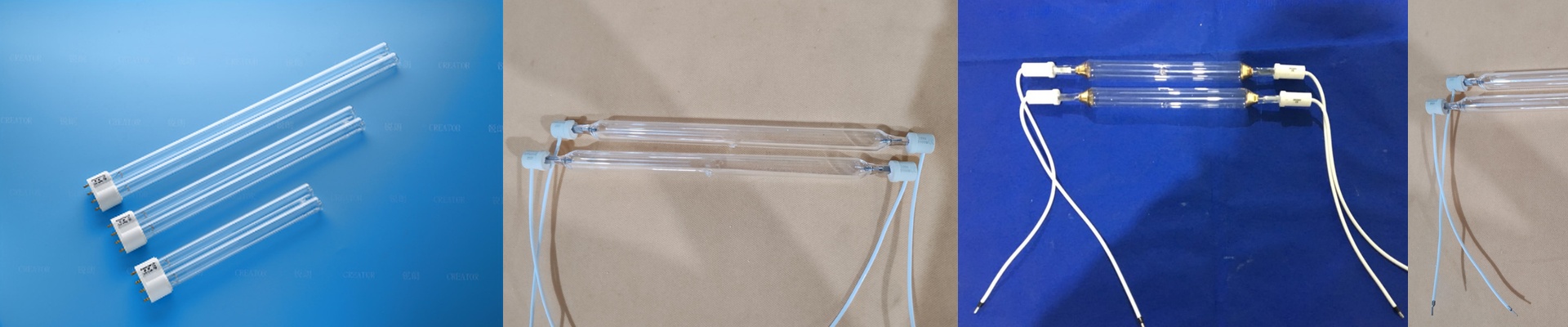
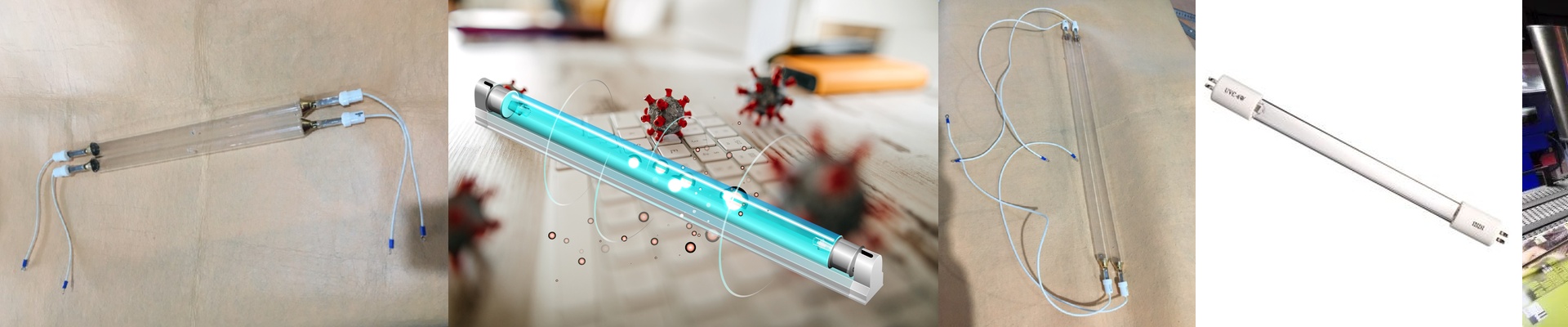
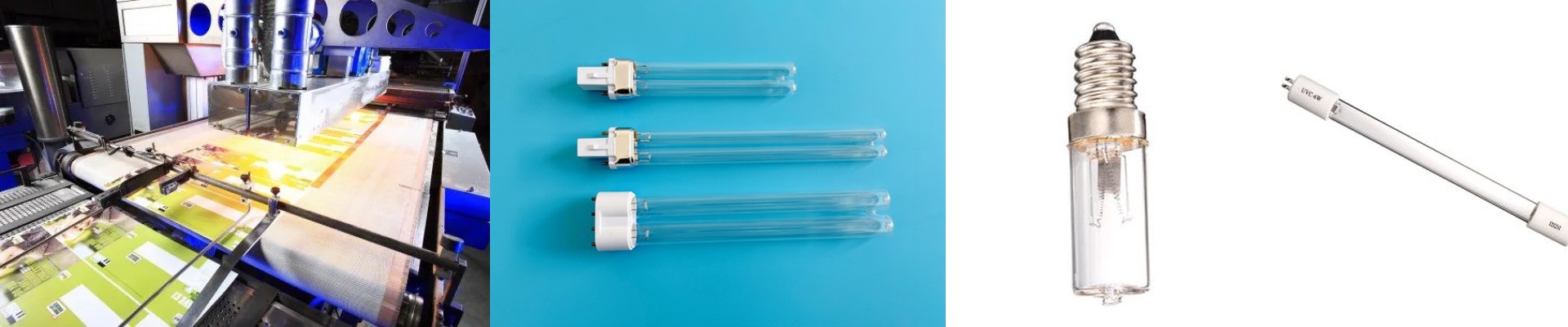
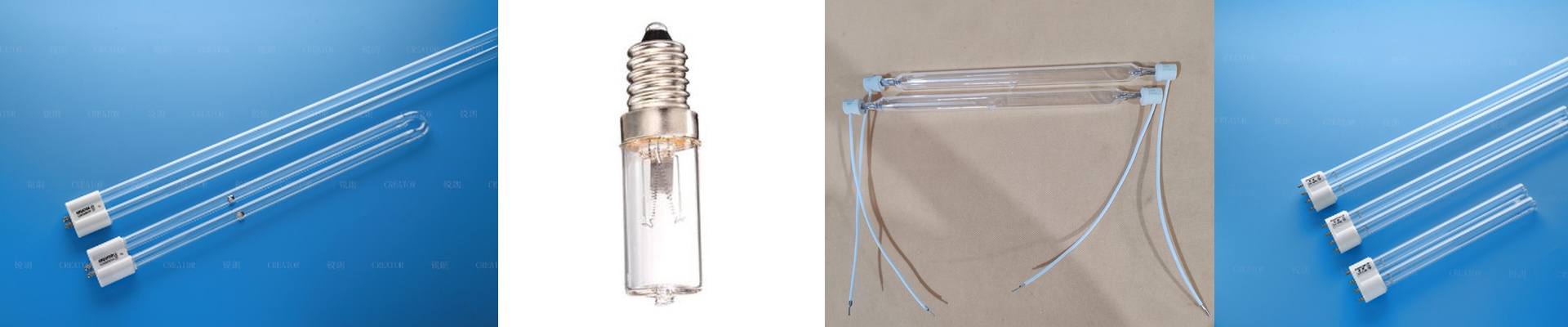
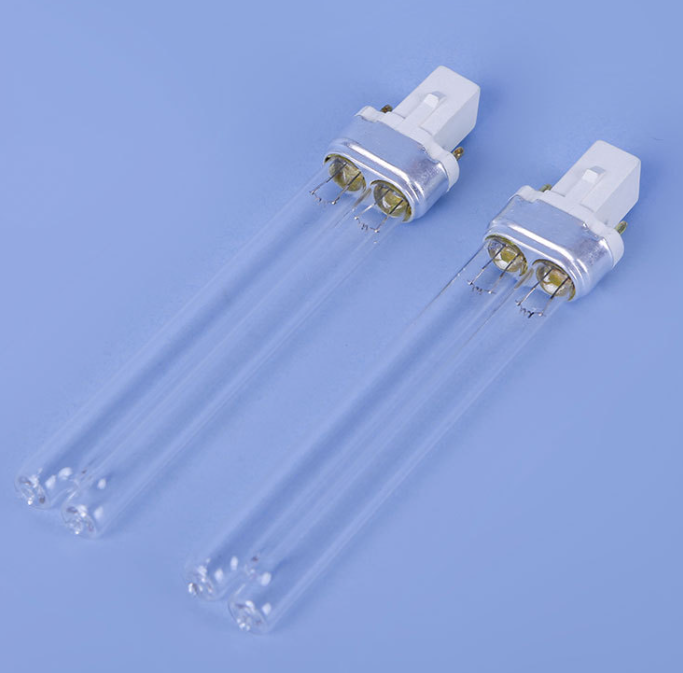
On an automatic elliptical screen press running mobile screen graphics, the bottleneck isn’t the squeegee stroke. It’s the flash-dwell you need to set the UV ink before the next pass. If the lamp can’t deliver the peak irradiance and dose in milliseconds, the belt keeps moving — but the yield falls behind. What matters, technically For mobile screen work, we match the photoinitiator package to a stable, ozone-free mercury vapor lamp with a tight spectral output centered at 365 nm. That wavelength drives fast cross-linking in acrylate-based inks without dumping extra energy as heat. A 1200 W/cm lamp, measured at the substrate plane, should hit ≥800 mW/cm² peak irradiance. Pair that with a high-reflectance dichroic reflector and a quartz window that keeps UV transmission consistent, and you can land 500–800 mJ/cm² while cutting flash dwell from 1.2 s to 0.6 s. Start-up is immediate — full output in 15–20 s — so idle losses shrink. Why this works on the elliptical Shortening flash-dwell directly buys you more strokes per hour. You keep the same print stations and the same setup; the curing step just stops forcing the line to wait. You get higher throughput without adding oven footprint. Energy use drops because the lamp spends less time on. Lamp life improves too, since fewer on/off cycles mean less thermal stress. We’ve run units for 5,000+ hours with less than 5% output drop — as long as airflow is steady and the reflector stays clean. The details that make it happen Match the lamp length and mounting to the specific elliptical dryer bay. Misalignment will show up as a dose band at the substrate edges. Make sure your power supply and ignitor are rated for the lamp’s operating voltage and cold-start current. Expect peak irradiance to be highest at the center of the arc. Keep the web path consistent, and use a radiometer to verify dose across the full width. Output is sensitive to air temperature and reflector condition, so routine checks aren’t optional.