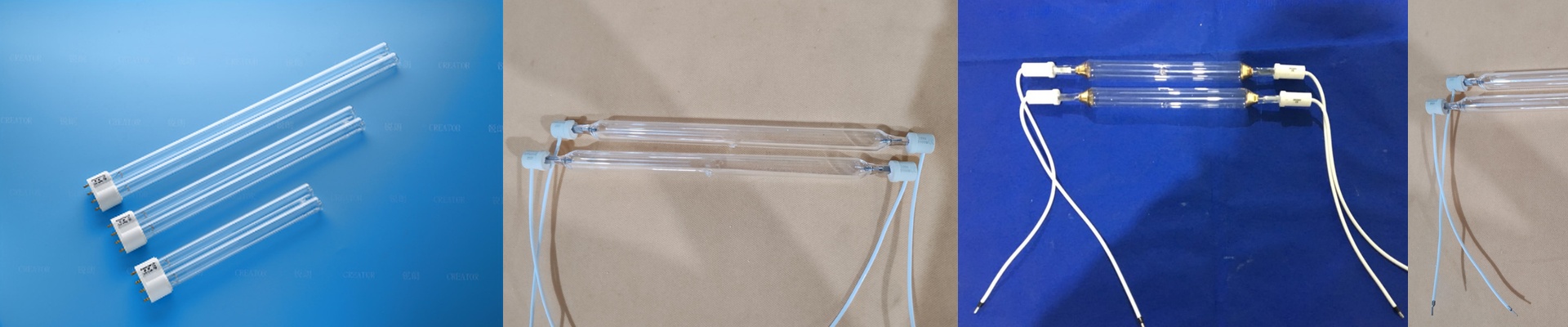
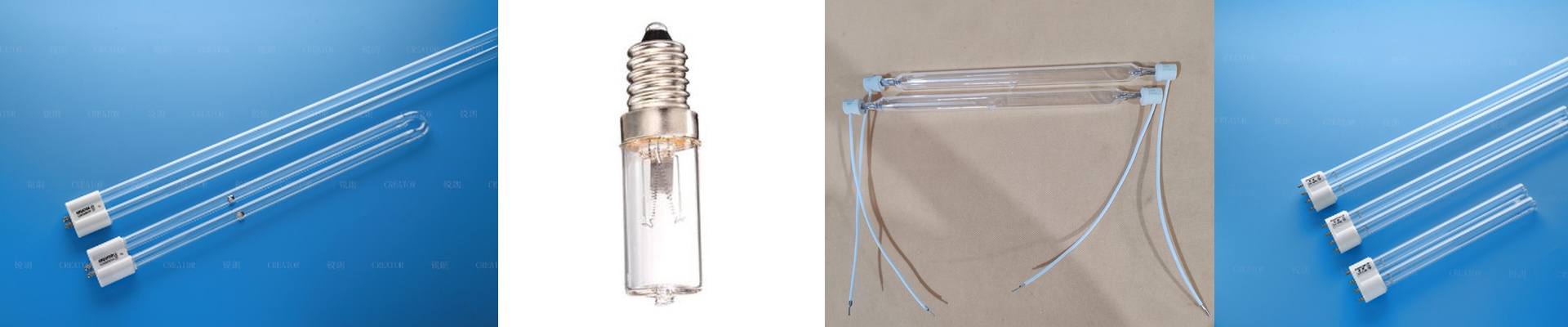
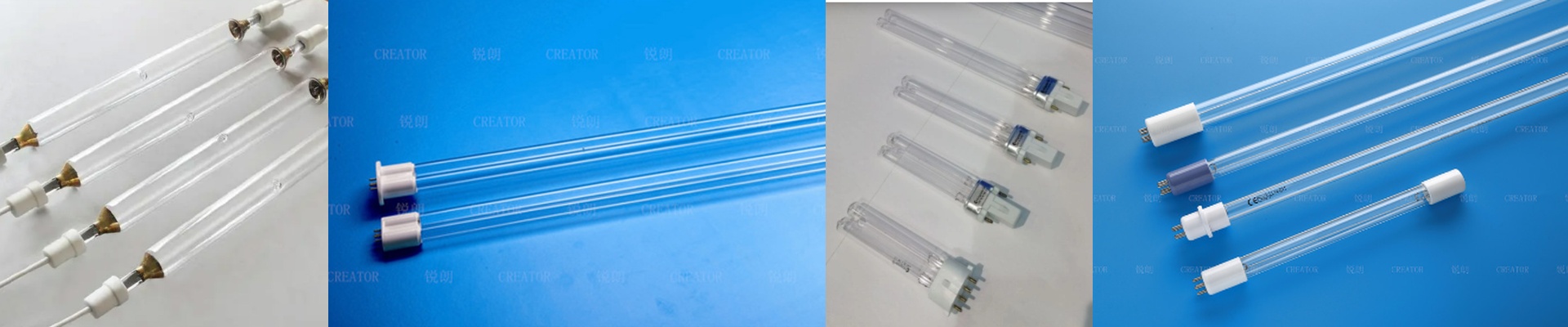
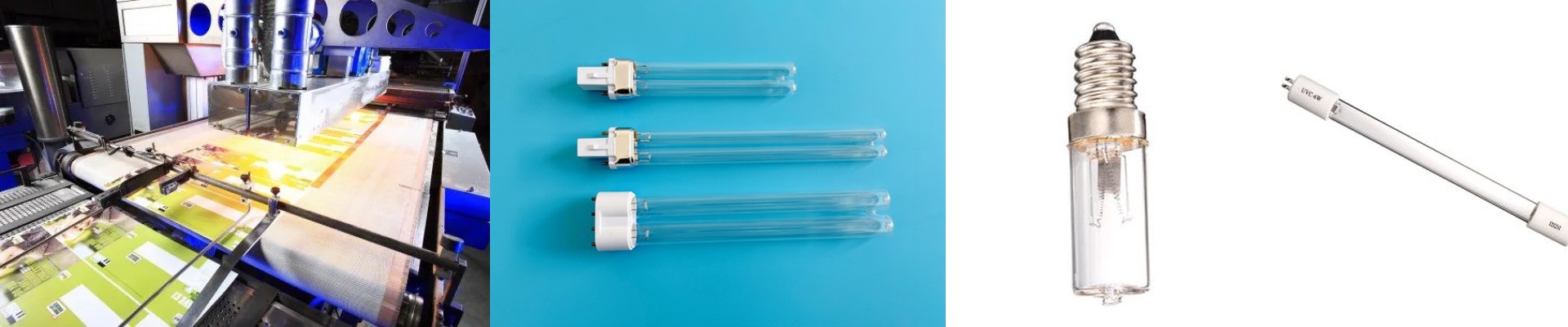
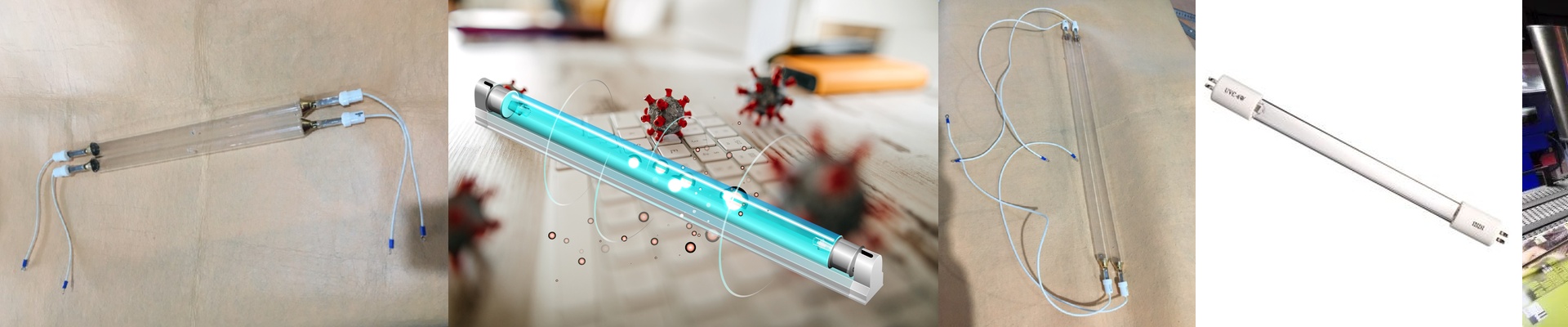
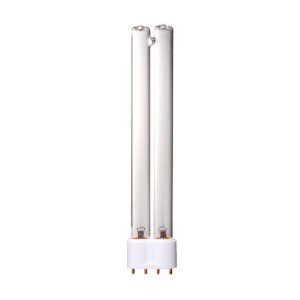
On the press floor, lamp changes and reworked substrate don’t just burn time—they burn straight into your per-piece cost. When a UV spot-curing lamp ages and its spectral output collapses, you don’t lose speed alone. You lose yield. We built this UV spot-curing lamp around one goal: keep irradiance stable for thousands of hours so your unit cost comes down without the cure backing off. What matters, technically We run high-pressure mercury vapor lamps with tight spectral control at 365 nm, hitting peak irradiance above 1.8 W/cm² and delivering energy density that consistently tops 1,000 mJ/cm² at the substrate. The reflector uses a dichroic coating to bounce usable UV back into the work plane while keeping IR heat from becoming a problem. An ozone-free quartz envelope keeps operator exposure low and keeps maintenance straightforward. Life is measured in stable cycles. We see 5,000+ hours with less than 5% output drop because the lamp and ignitor are matched to a controlled degradation curve—not to some peak-only claim you can’t live with day after day. Why this plays in printing In printing, you’re curing small zones over and over—spots, varnishes, overprints, registration marks. In those spots, consistent dose is what keeps tack and scuff from sneaking in. Stable irradiance lets you run faster without chasing it with more power, and fewer lamp swaps mean less downtime and fewer spares sitting in the cabinet. The payoff is fewer rejects, press speed you can count on, and a direct cut in per-piece cost. Here’s what to watch for Match the lamp to the fixture. Footprint, reflector geometry, and ignitor compatibility have to line up with what you’re running. Verify cure by measuring dose at the substrate surface with a radiometer, not at the lamp window. Yes, the initial lamp cost is higher than commodity units. That cost is offset by longer life and spectral output that stays stable over the run.