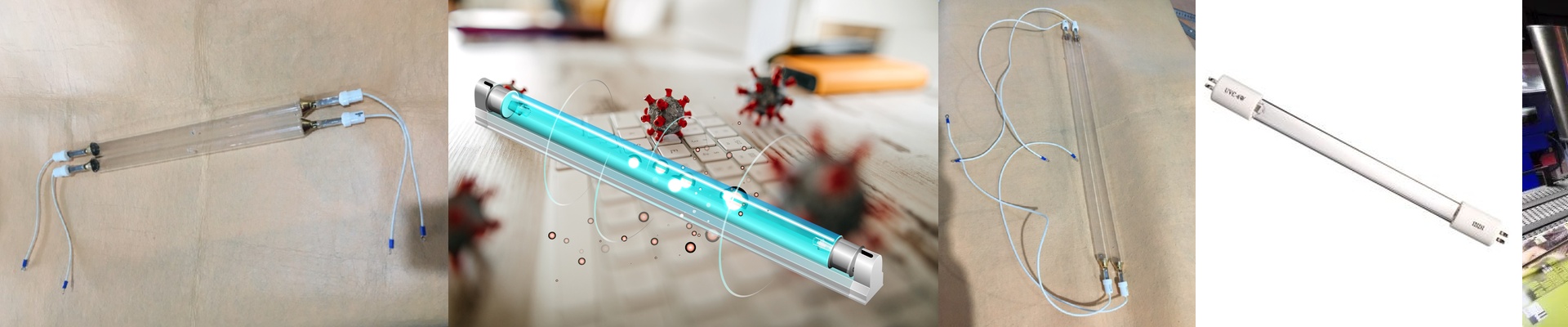
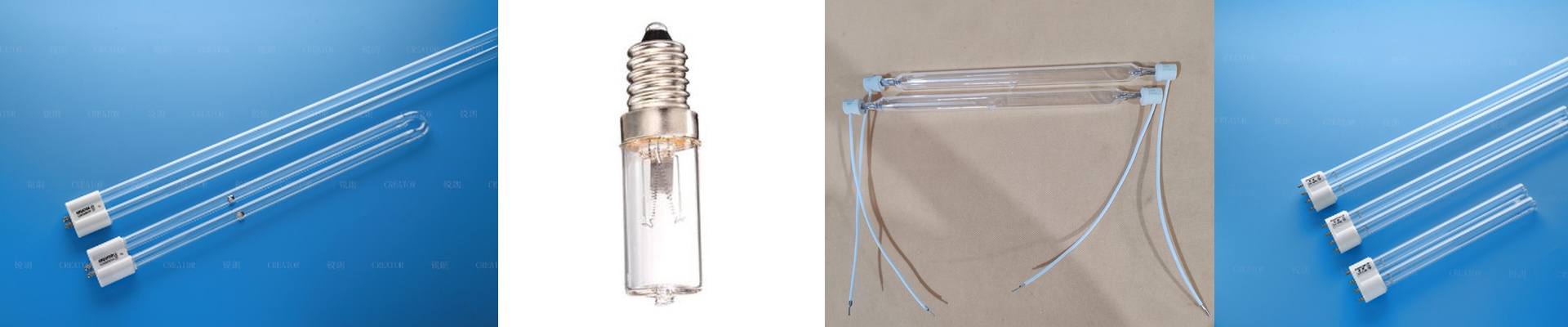
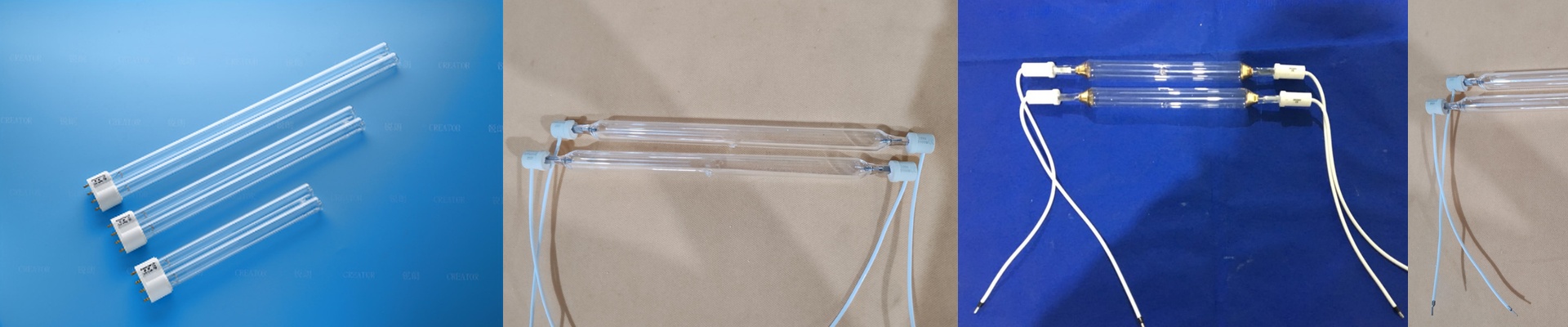
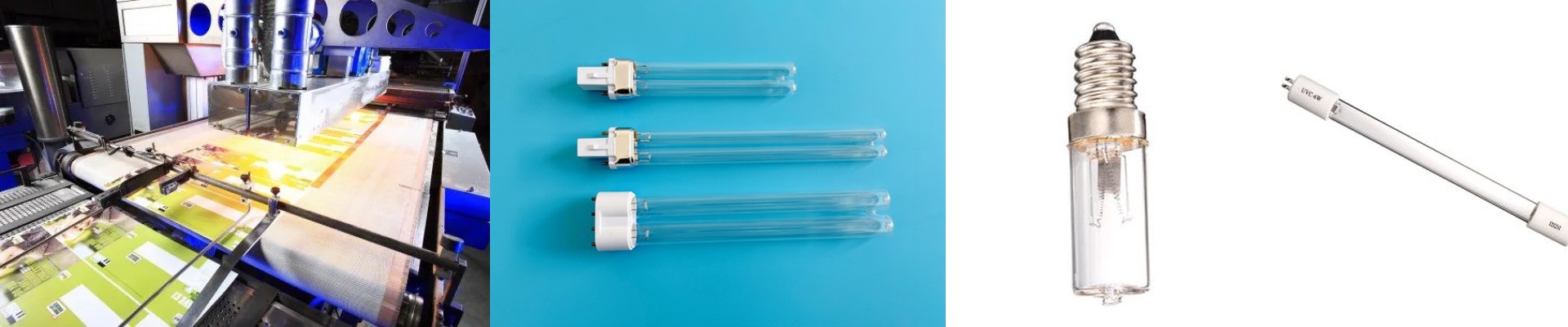
On the floor, a branded UV lamp earns its keep with hard numbers—not marketing. If you’re a wholesale supplier building an OEM UV curing line, intensity measurement isn’t paperwork. It’s the baseline that sets cure speed, ink adhesion, and repeatability from one shift to the next. What matters, technically UV lamp intensity comes down to spectral output and delivered energy density. With mercury vapor systems, the 365 nm line is what drives photoinitiator absorption in most offset, flexo, and screen inks. Use a spectral radiometer to measure peak irradiance (mW/cm²) right at the substrate plane, then integrate over exposure time to get energy density (mJ/cm²). Track output over the life of the lamp to map degradation, and check reflector efficiency by comparing readings with and without the reflector. For curing that stays stable, specify a minimum energy density threshold per ink system. Skip the vague “brightness” claims—they don’t hold up on press. Why this works for OEM brand building OEM programs win when your lamps behave predictably in the field. Consistent intensity cuts rejects from under-cure and keeps you from scorching the substrate with overexposure. It also makes service straightforward. You can set duty cycles, lamp replacement intervals, and performance tolerances with measurable targets. When you publish validated intensity specs—peak irradiance, spectral distribution, and end-of-life criteria—you give customers engineering confidence and a real reason to choose your brand over unbranded replacements. The details that bite you Intensity readings are geometry-sensitive. Lock down distance and alignment to the sensor; small shifts change results. Measure under real production conditions—line speed and lamp warm-up—not just at idle. And don’t ignore power supply stability and connector contact resistance; both can nudge output. Expect intensity to drift as the quartz tube ages and reflectors oxidize. Plan calibration intervals, and keep a reference standard on the shop floor.