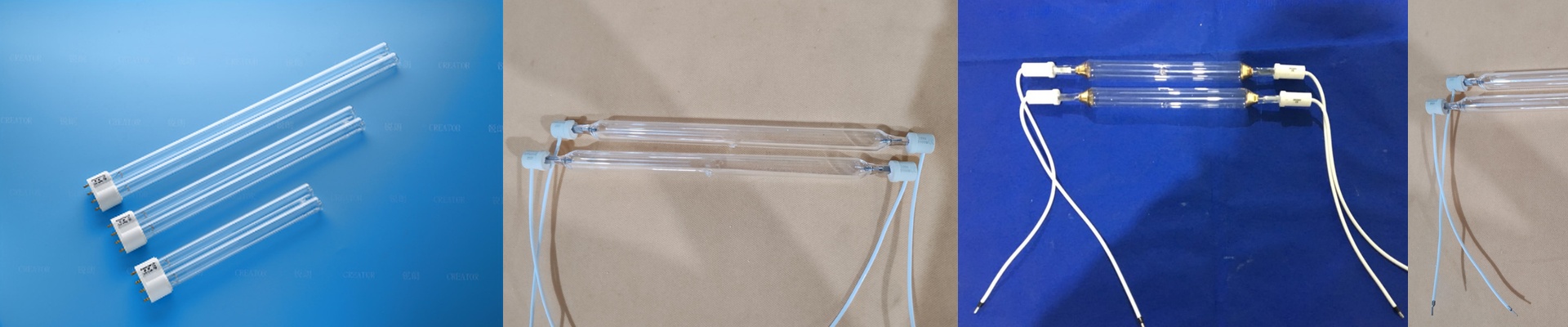
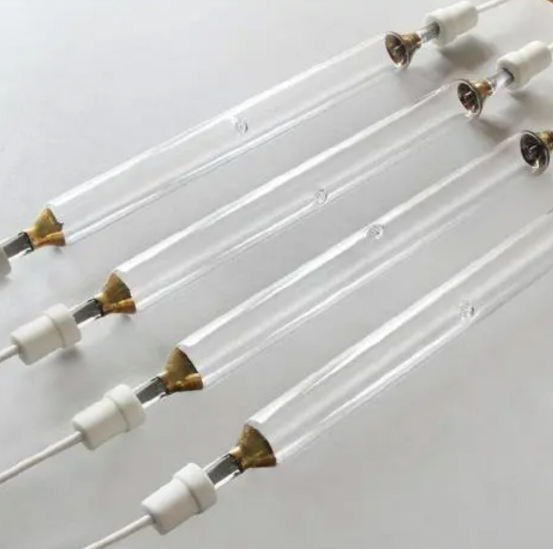
Getting Your UV Curing Right
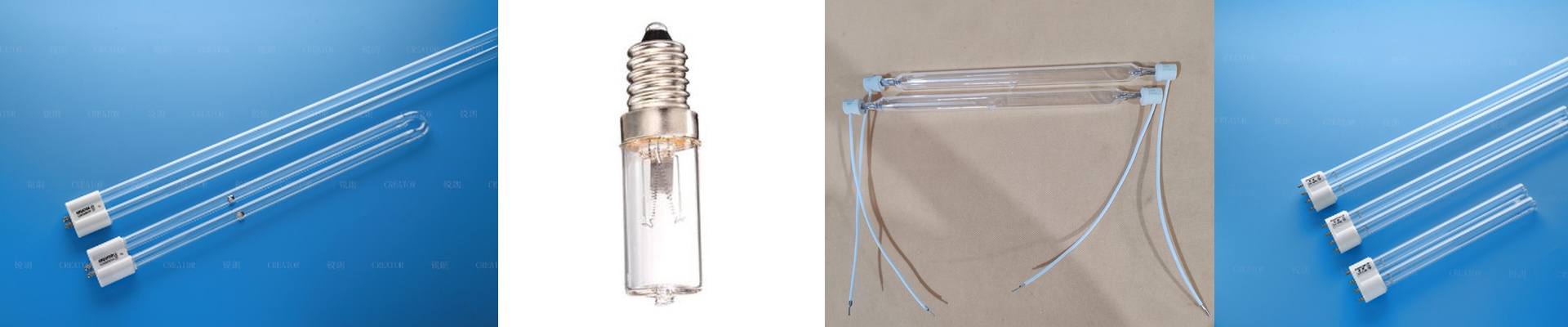
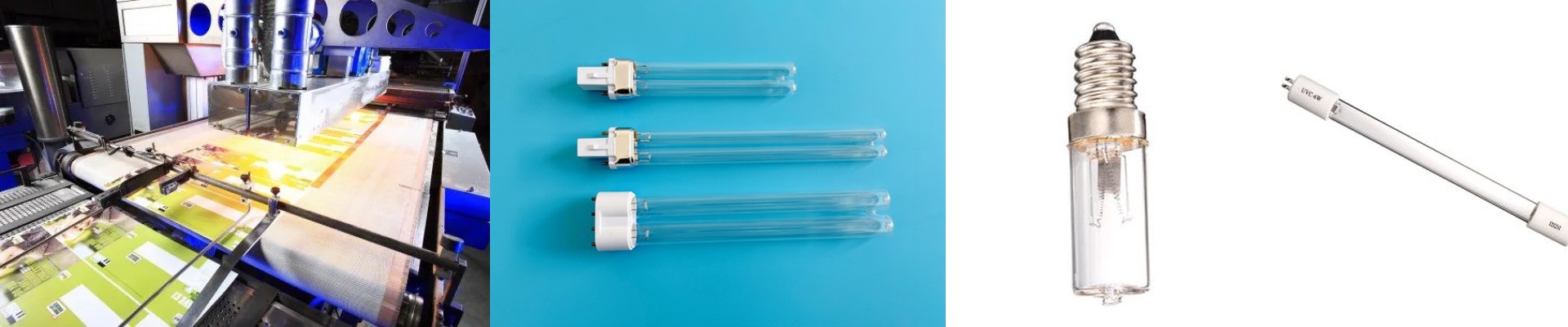
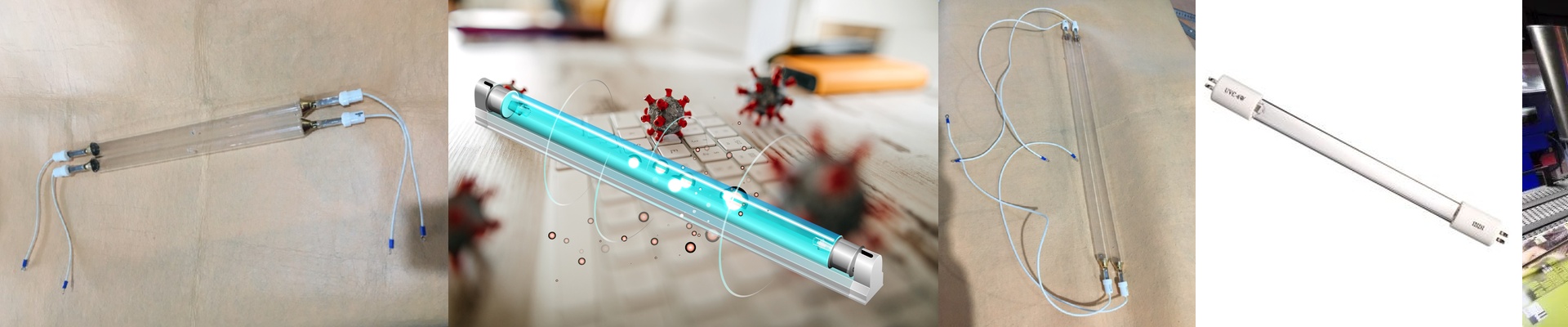
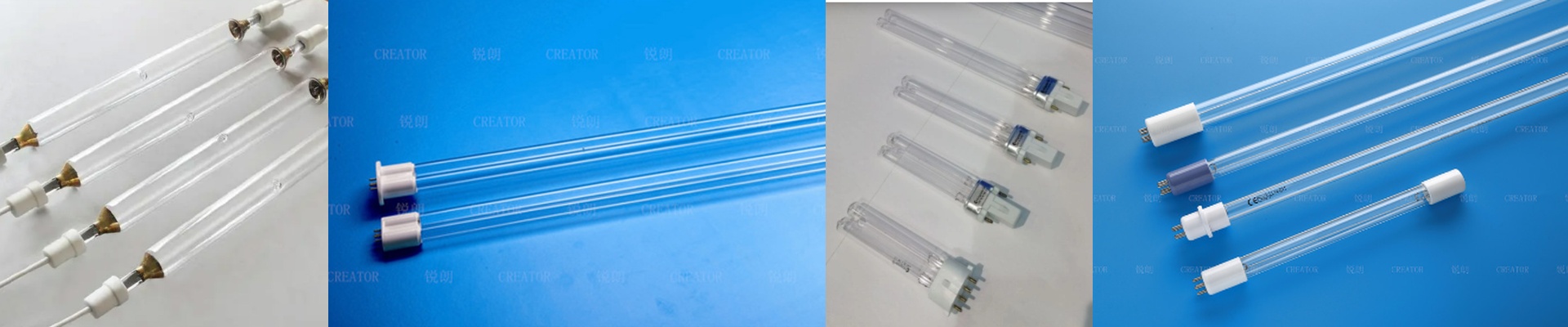
Let’s be honest: UV curing lamps aren’t just light bulbs you pick up at a hardware store. They’re precision tools. If you’re sourcing these in bulk from China, you can’t just look at the price tag. You have to care about two things: the spectral output and how stable that arc stays while it’s running. The balance of power and heat We build our lamps to hit very specific wavelength peaks—usually UVC or UVB—depending on what your photoinitiator needs. Now, it’s tempting to just crank up the wattage to speed up your production line. More photons mean faster curing. Simple, right? Not exactly. There’s a catch. When you jam more power into a short tube, things get hot. Really hot. If your cooling fans or water jackets aren’t up to the task, your quartz envelope is going to burn out way sooner than it should. It’s a balancing act. Quartz and the “clouding” problem Ever notice a lamp getting cloudy over time? That’s called solarization. It happens when the glass isn’t pure enough, and it basically blocks the UV light from getting out. We use high-purity quartz to stop that from happening. We also obsess over where the electrodes sit. If the arc starts jumping around, you get flicker. And flicker leads to “wet spots” on your product—which is a nightmare for quality control. We aim for the same benchmarks as the big global brands. If our custom lamps don’t hit those marks, we’ll just give you your money back. No arguments. Making it fit The last thing you want is to buy a batch of lamps and realize you have to rebuild your entire rack just to make them fit. That’s why most of our units are designed as drop-in replacements. Whether you’re running a PET blowing station or a conveyorized ink dryer, the fit needs to be spot on. If the lamp isn’t seated perfectly in the reflector, you’re just wasting energy and cooking your housing. One last tip: make sure you’re using a stable ballast. Voltage spikes are the fastest way to crack an envelope, and that’s a mess nobody wants to clean up.