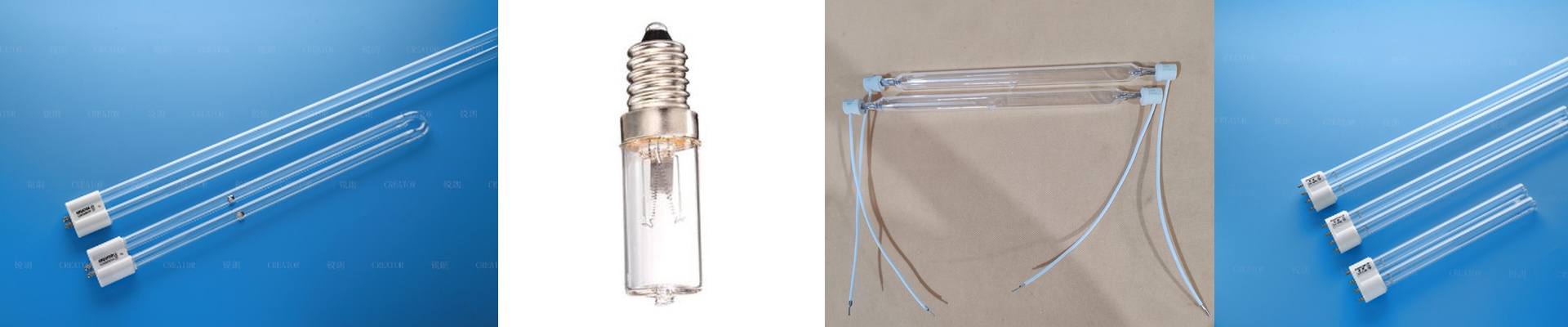
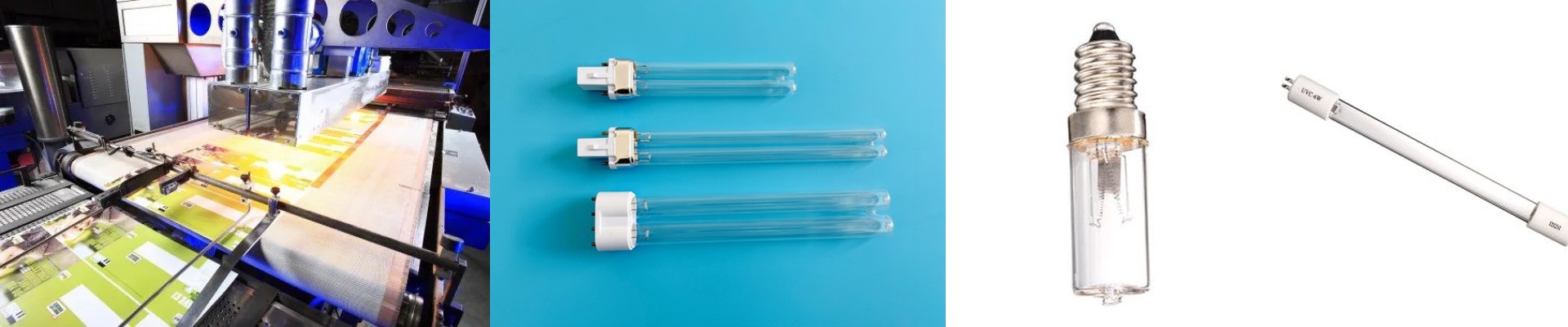
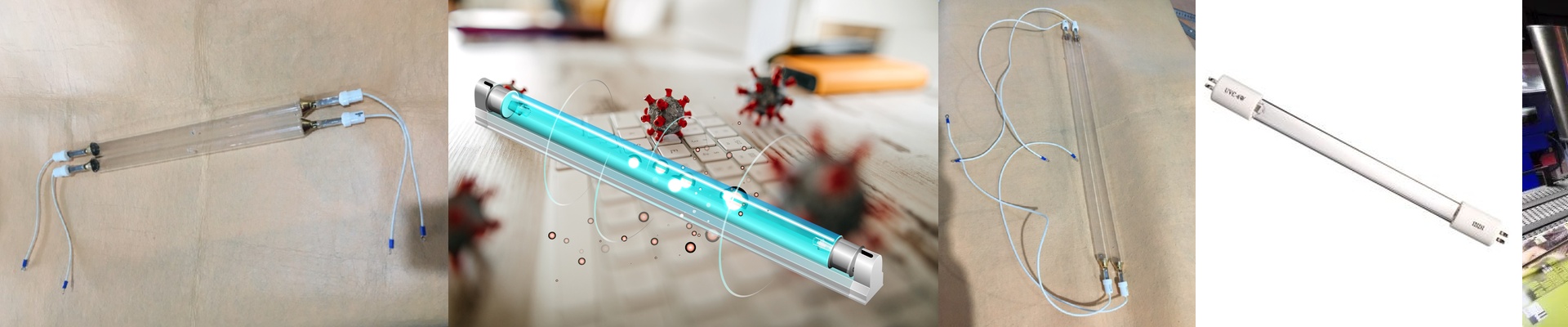
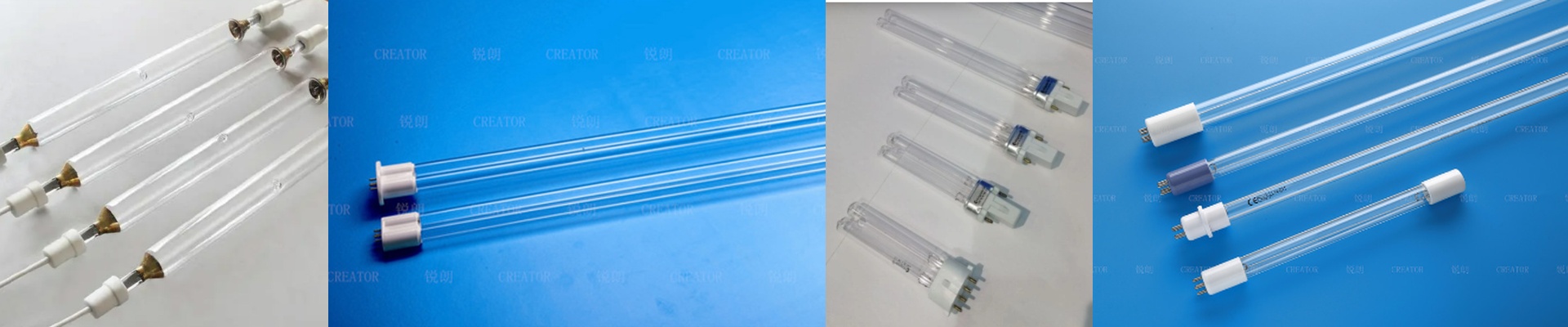
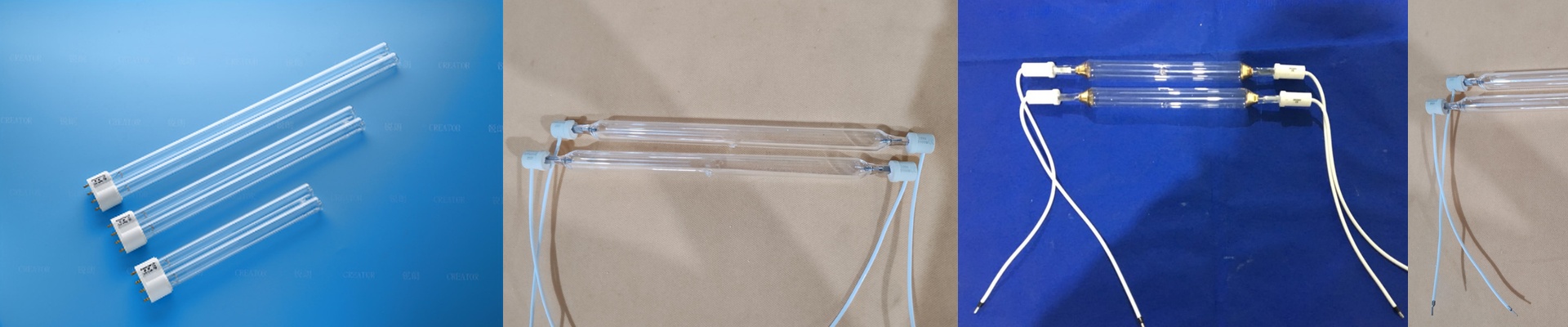
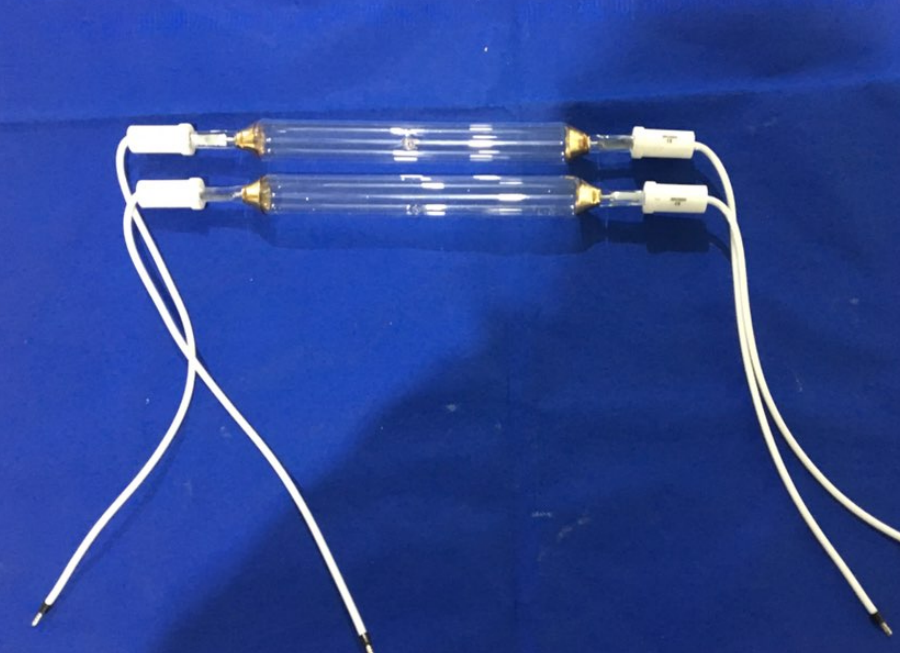
On a busy offset press, you’re running for margin, and the curing system is running for speed. When lamp output drifts or the spectral match falls off, you pay for it in ink tack, set-off, and rework—minutes lost on the floor that add up fast across a shift. We built our UV lamps for offset to take those variables off the table, then backed them with a factory-direct supply chain that keeps the price practical. What matters, technically Offset UV inks are all about photoinitiators tuned to specific wavelengths. Our medium-pressure mercury vapor lamps deliver stable spectral output with strong peaks at 365nm and solid 365–395nm coverage—right where most photoinitiators absorb. Peak irradiance is engineered to hit the energy density the substrate needs, typically 400–800 mJ/cm² on coated stock, so you get complete cross-linking without surface inhibition. A dichroic-coated reflector concentrates the output and improves electrical-to-UV conversion efficiency, and the ozone-free design keeps the curing zone cleaner, which means fewer maintenance interruptions. Output stability is held within 5% over lamp life, measured with a calibrated spectral radiometer at the same arc distance your press uses. Why it works in real production Going factory-direct means we control the quartz envelope, the electrodes, and the fill—then pass the savings through on wholesale pricing. In practice, that means consistent cure across the sheet, faster makereadies, and fewer stops tied to lamp behavior. You can run higher line speeds with less heat load on the web, and replacement frequency drops because the lamp holds output longer. Energy draw is sized to the curing window, so you get the dose you need without over-spec’ing the system. The details that keep you out of trouble Match lamp length, arc gap, and terminal configuration to your existing UV curing unit. If the reflector geometry is off, irradiance distribution changes and you can end up with undercured edges. Confirm power supply compatibility—voltage and ignition method have to line up with the lamp’s ballast requirements. Expect a warm-up period before output stabilizes, and schedule periodic radiometer checks so you catch end-of-life before output falls below the ink’s threshold.