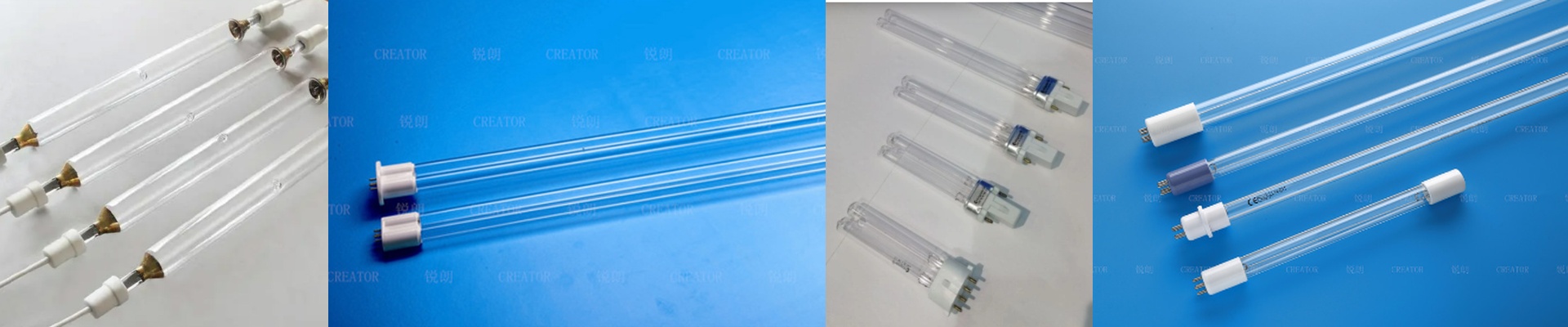
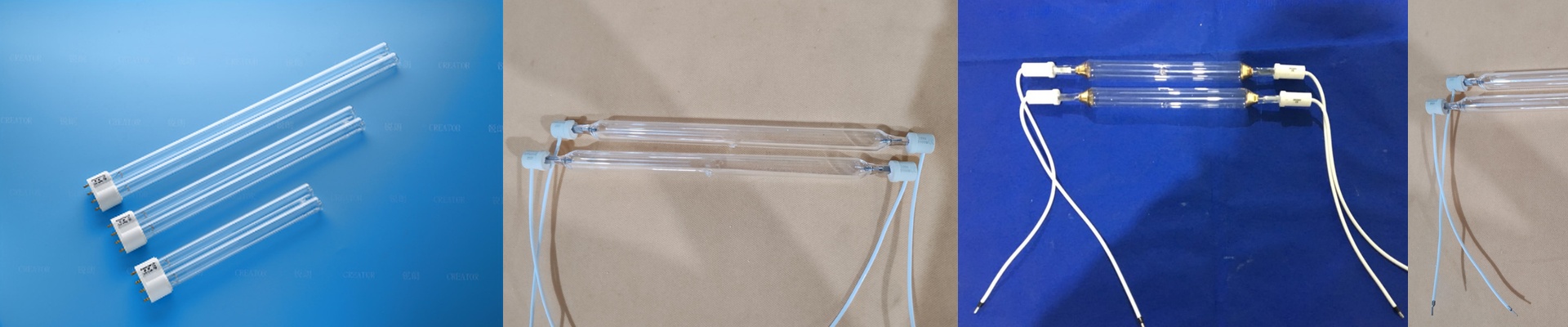
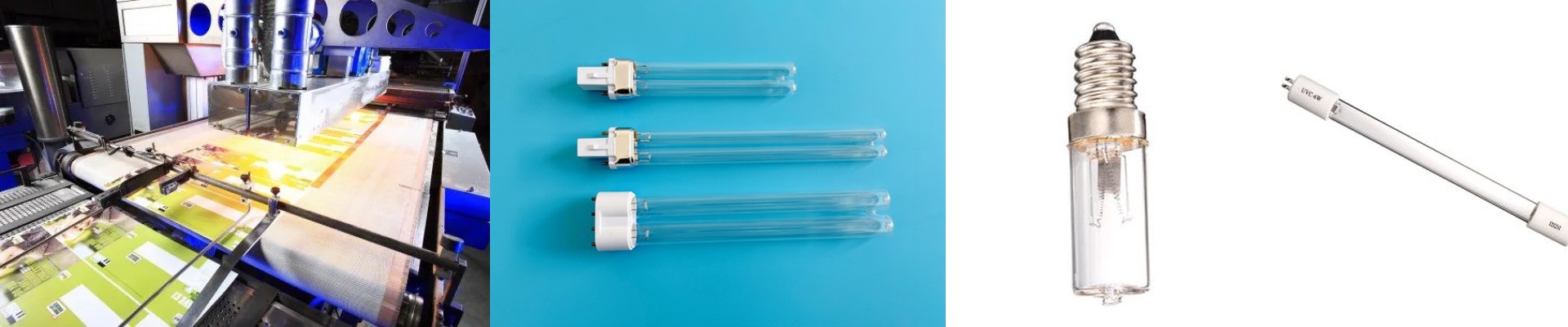
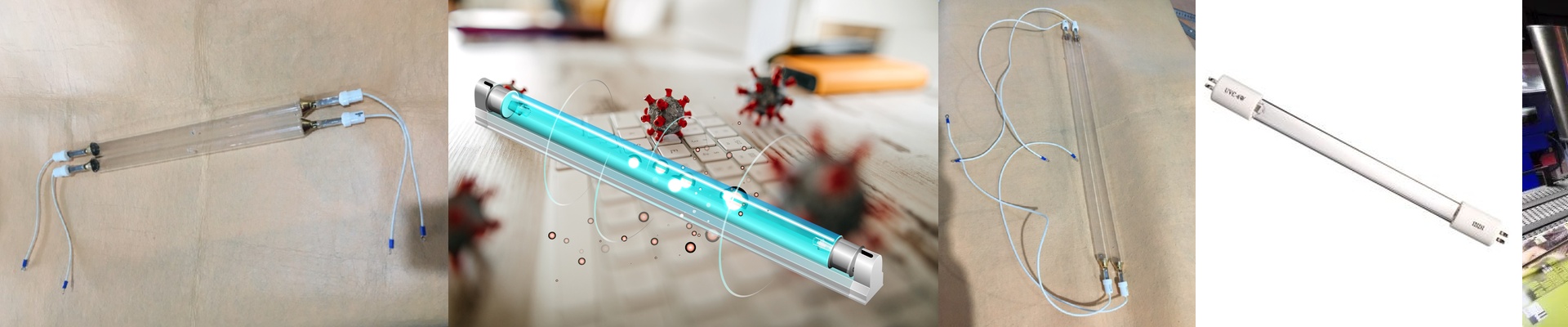
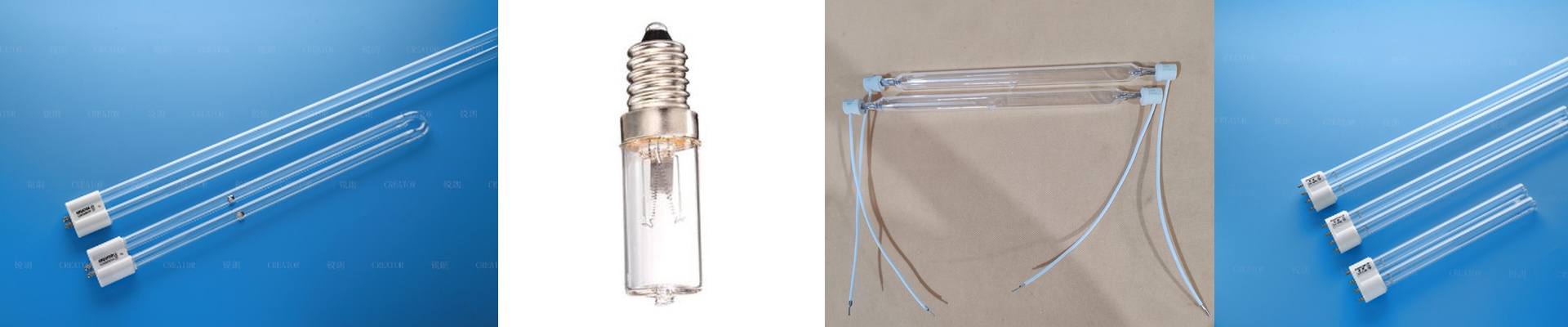
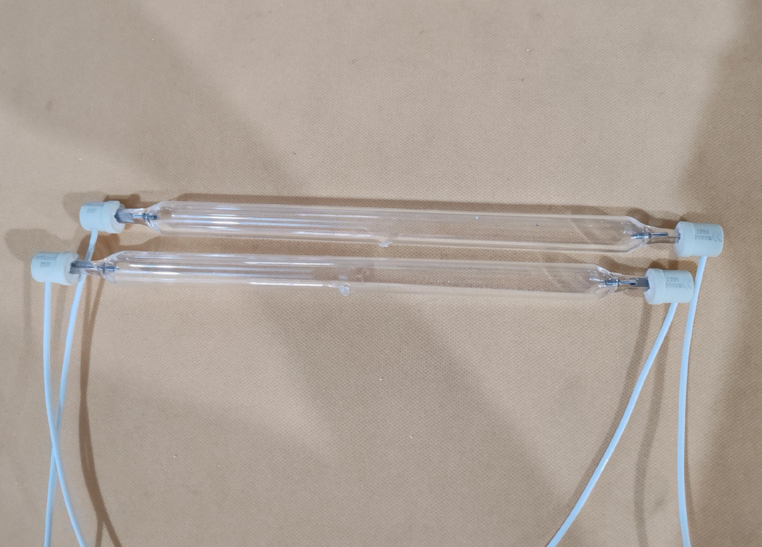
In pad and screen work, color drift isn’t some mystery. It shows up when the UV lamp’s spectral output stops matching the ink’s photoinitiator package. When the peak energy lands in the wrong band, the top surface cures fast while the bottom stays under-cured, and pigments respond unevenly.Wavelength alignment is the lever that makes or breaks it. What matters under the hood We run a 5kW high-pressure mercury lamp, built around a stable arc discharge and repeatable spectral output. The heart is a high-purity quartz envelope with tight mercury vapor pressure control, pushing strong output bands in the UVA region. For many screen and pad ink systems, the main response sits around 365nm, with meaningful contributions near 385nm and 405nm. The lamp is set up to keep irradiance consistent across the reflector focal plane, so peak irradiance at the substrate doesn’t swing all over the place run to run. We call it out in spectral flux and arc uniformity, not hand-waving. Why this works on the floor Pad and screen jobs often lay down thick ink deposits, and color has to repeat. A 5kW mercury lamp delivers the photon density needed to drive cross-linking through the full film thickness—without skinning over on top. The payoff is predictable dot gain, stable opacity, and Pantone matches that hold up shift after shift. You also get more throughput: higher peak irradiance shortens exposure windows without cooking the ink, so you can run faster cycles and still hit the same cure. Energy per cured unit drops because the system turns electrical input into usable UV output more directly than lower-power setups. What you need to plan for A 5kW mercury lamp isn’t a drop-in swap. You need a ballast matched to the arc length and starting characteristics, a reflector geometry that concentrates the beam where the substrate travels, and enough airflow to keep the envelope temperature in check. Output falls as the lamp ages, so schedule maintenance around irradiance targets, not a calendar. And don’t skip ozone management—some quartz grades generate ozone at short wavelengths, so ventilation and ozone control have to be sized for the power you’re running.