Stop the Flicker: Dealing with Electrical Noise in UV Curing Lines
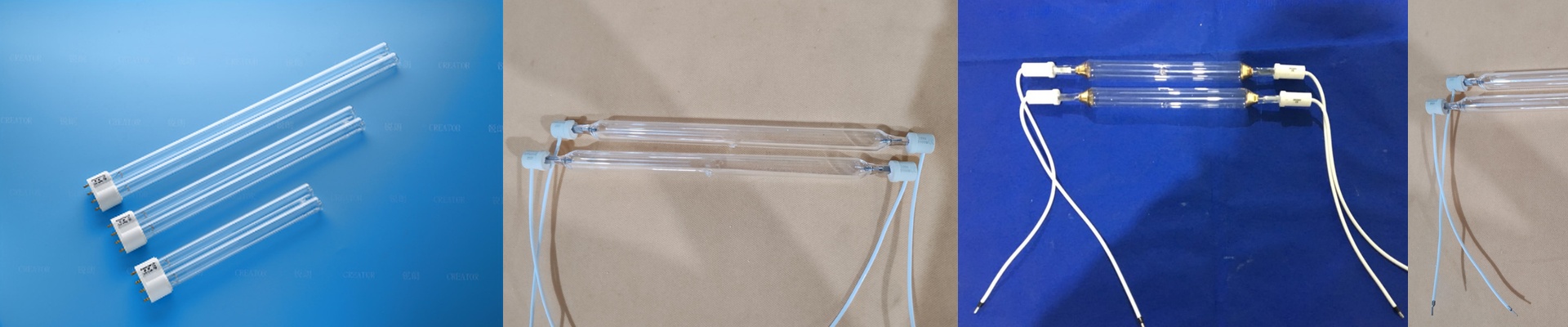
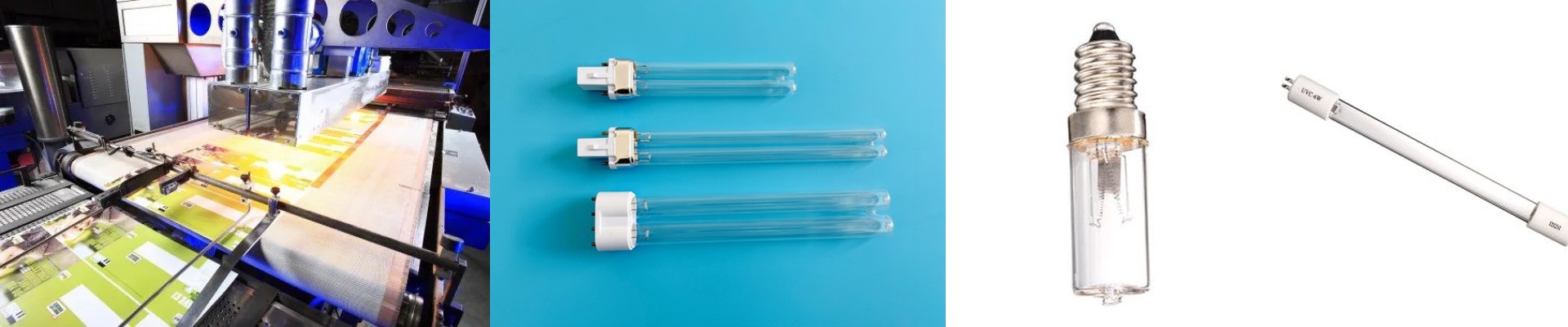
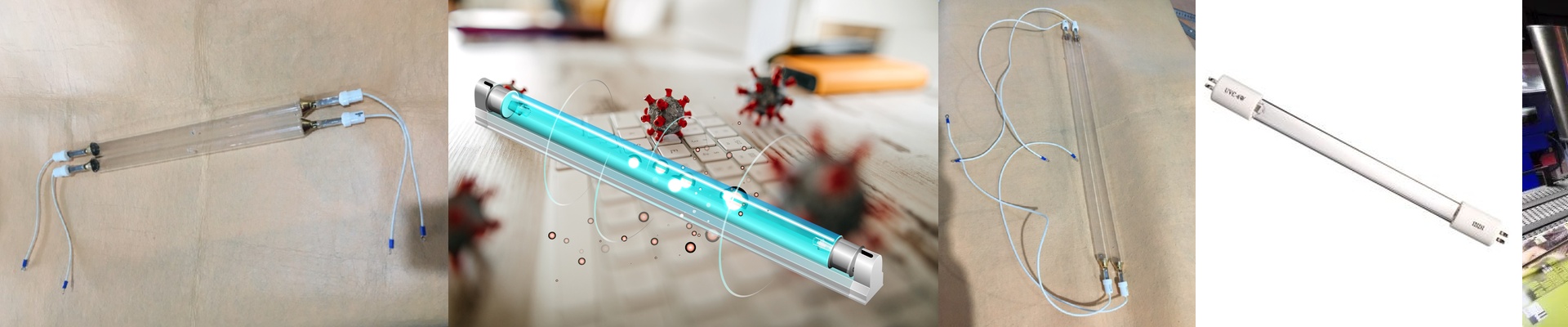
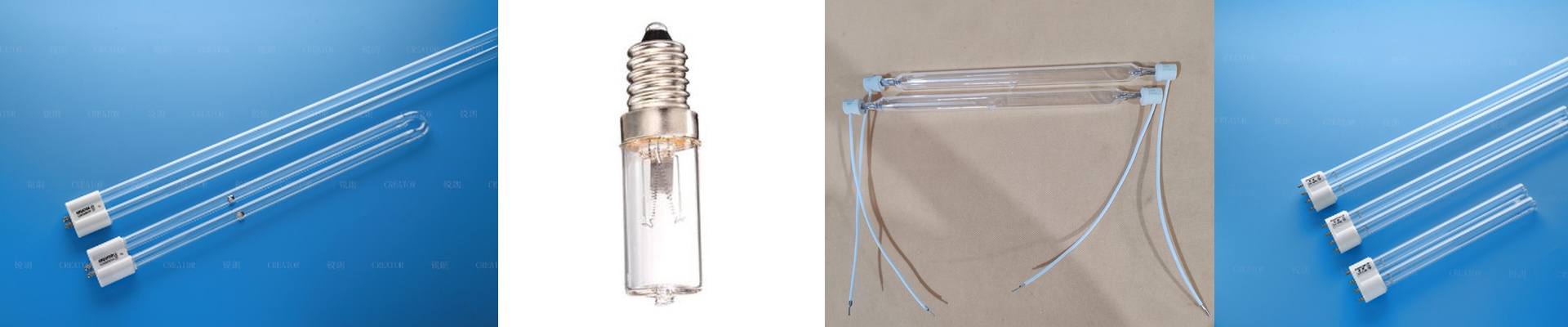
If you’ve got a few large-scale printing presses running in one room, you know it’s not just about the ink and the paper. You’re basically managing a storm of electrical noise. Mercury UV lamps are picky. They need a high-voltage kick to start and a rock-solid current to keep that arc steady. If the lamp or the ballast can’t handle the electromagnetic interference (EMI) floating around your shop, they start acting up. They flicker. Or worse, they just shut down right when you’re in the middle of a run. The battle for stability Here’s the thing: shop floors are noisy. I’m not talking about the sound of the machines, but “dirty” power caused by big motors and frequency converters. That noise leaks into the UV circuit and messes with the arc. We handle this by focusing on how the lamp and power supply talk to each other. By tweaking the ballast impedance and using shielded parts, we make sure the mercury vapor stays ionized. It keeps the lamps steady, even when the machinery next to them is sending voltage spikes through the lines. The trade-off Now, this kind of stability isn’t free. To get this level of resistance, the power units end up being a bit heavier and bulkier than the cheap, generic stuff. You can’t just cram them into a tight chassis and hope for the best. You have to think about your airflow. These high-stability ballasts get hot. If your cooling fans aren’t up to the task, the electronics will throttle themselves to keep from frying. It’s a simple balance: better power needs better breathing room. Why this actually matters In high-speed printing, a single flicker is a disaster. It leaves a strip of uncured ink on your substrate, which means wasted material and a headache for you. We design our lamps to work in parallel arrays, often sitting just inches apart. By killing the EMI at the source, the lamps stop “fighting” each other for current. The result? A steady, reliable UV output, no matter how many presses are humming in the room. You just turn them on and they work.