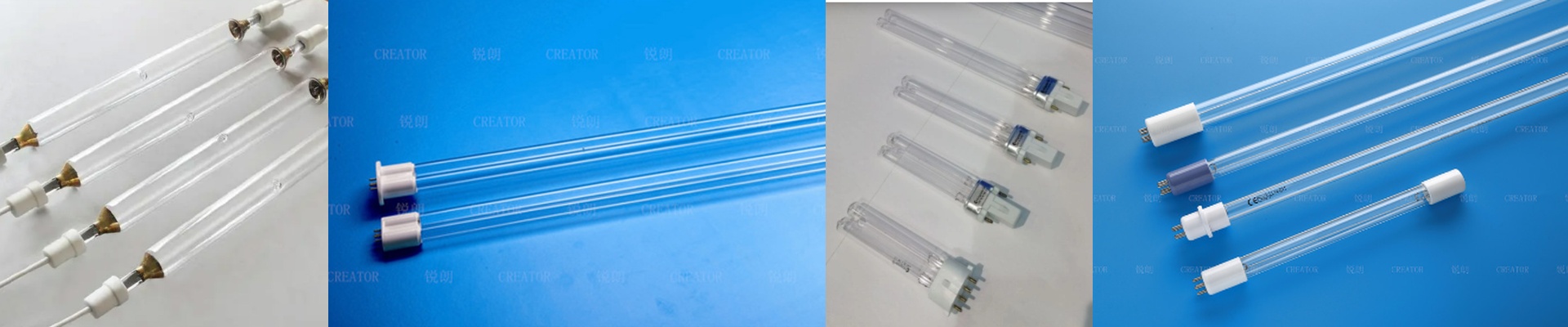
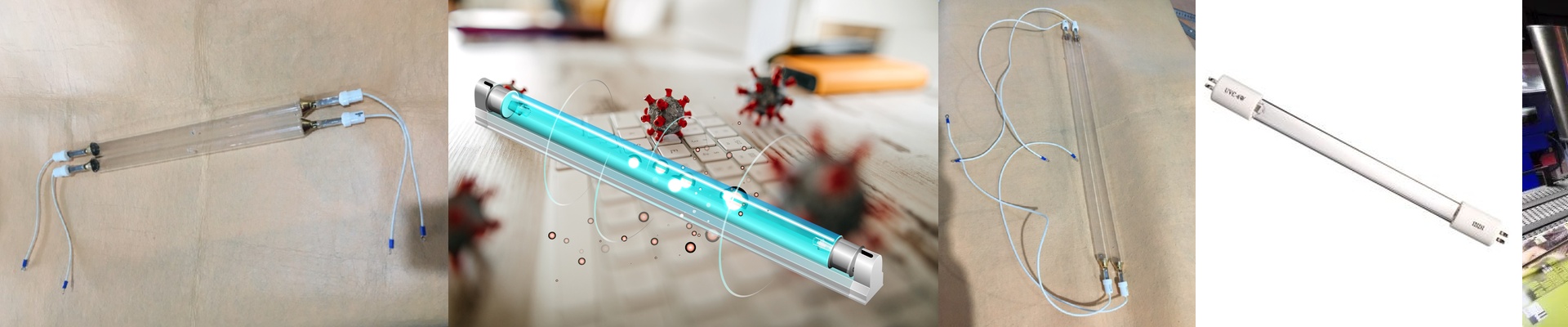
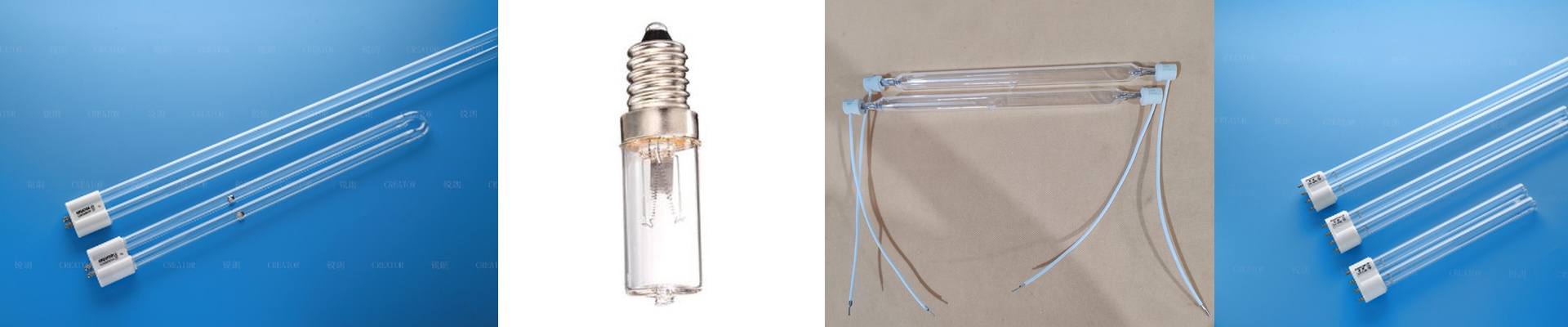
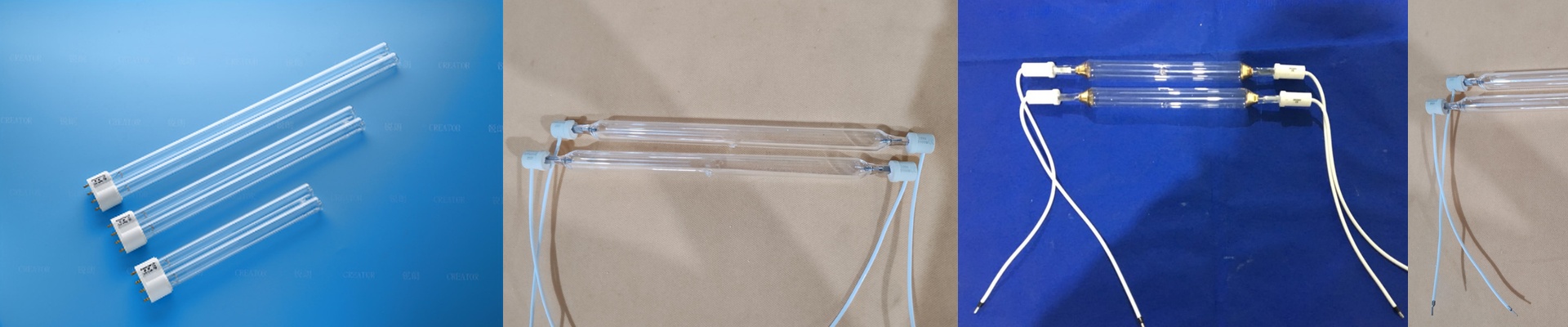
Stop Guessing with Your UV Curing
Most UV curing setups are basically black boxes. You plug them in, set a timer, and just pray the lamps don’t quit on you halfway through a shift. It’s stressful. We’re changing that. By putting remote energy monitoring into modular UV systems, you can actually see what’s happening inside the machine. You get a dashboard that shows you exactly how much power you’re pulling and when a lamp is starting to fade. No more guessing.
Why Modular Actually Works
The beauty of a modular setup is that you don’t have to rip out your entire production line just to grow. If you’ve got a section where the coating is thicker, you can just bump up the wattage in that specific zone. Or, if a lamp dies, you swap it out. It’s a drop-in replacement. You don’t need to spend weeks re-engineering the whole chassis—you just wire the new module into the existing bus and get back to work. Simple.
The “Smart” Part (Without the Fluff)
When people say “smart,” they usually mean some bloated piece of software. Not here. This is about hardware. We put current sensors and voltage monitors right at the lamp head. Here’s the thing: when a UV bulb starts to drift, its power profile changes. You’ll see a spike or a dip on your screenbeforea part comes off the line under-cured. Plus, you can stop replacing bulbs just because the calendar says so. That’s a waste of money. Instead, you replace them when the data tells you they’re actually worn out.
The Trade-offs
Let’s be honest—high-intensity UV systems get hot. Really hot. When you add sensors and chips right next to the lamp, you’re adding more heat to an already sweaty environment. You’ve got to make sure your cooling fans or water-jackets can handle the extra load. If your airflow is sluggish, those sensors will trip a thermal cutout and shut your whole line down. It’s a pain. Just make sure your cooling keeps pace with your monitoring.