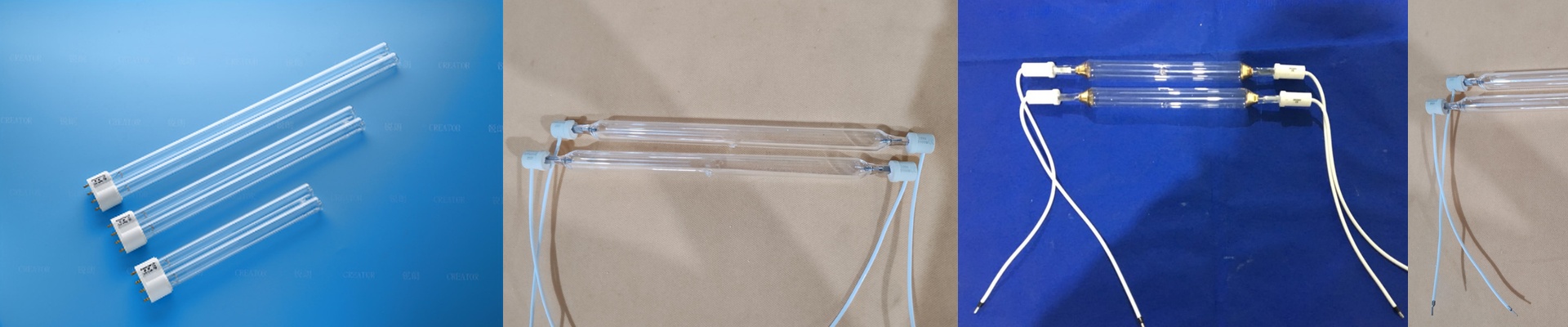
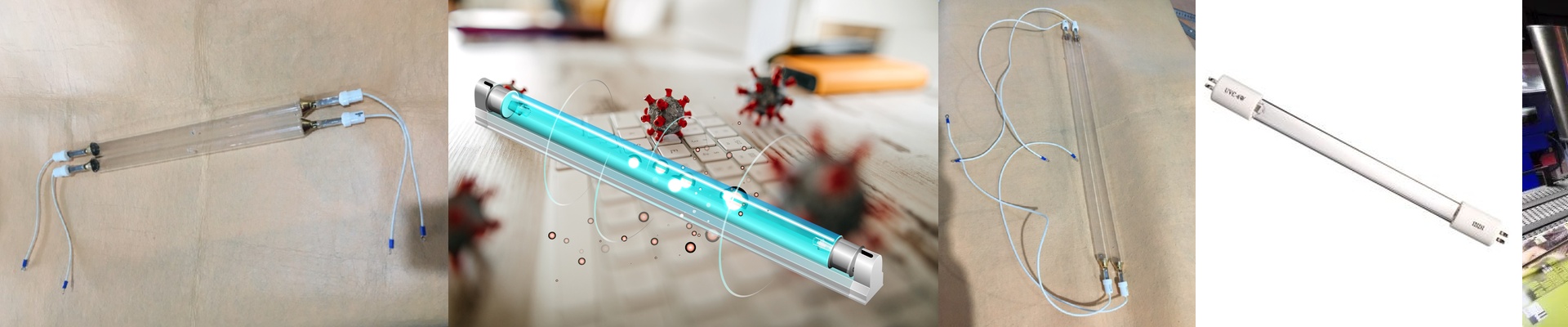
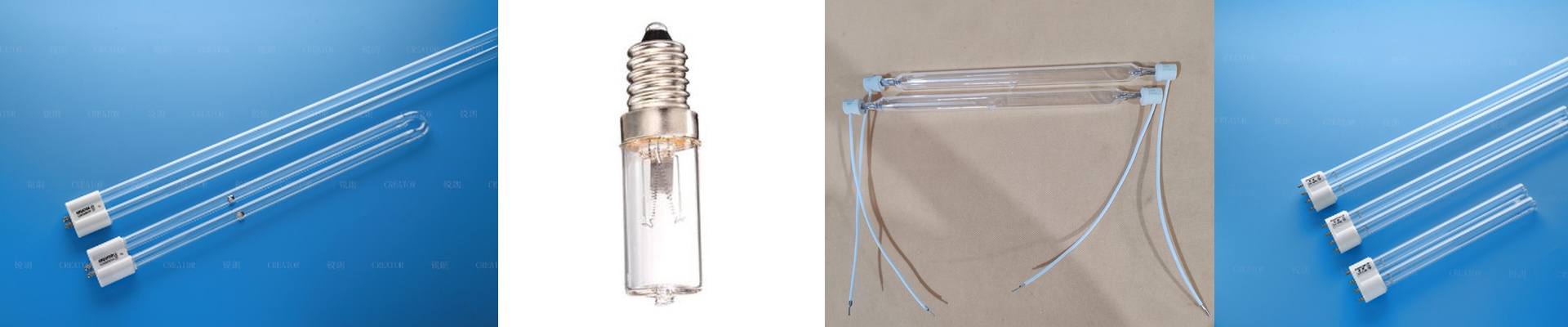
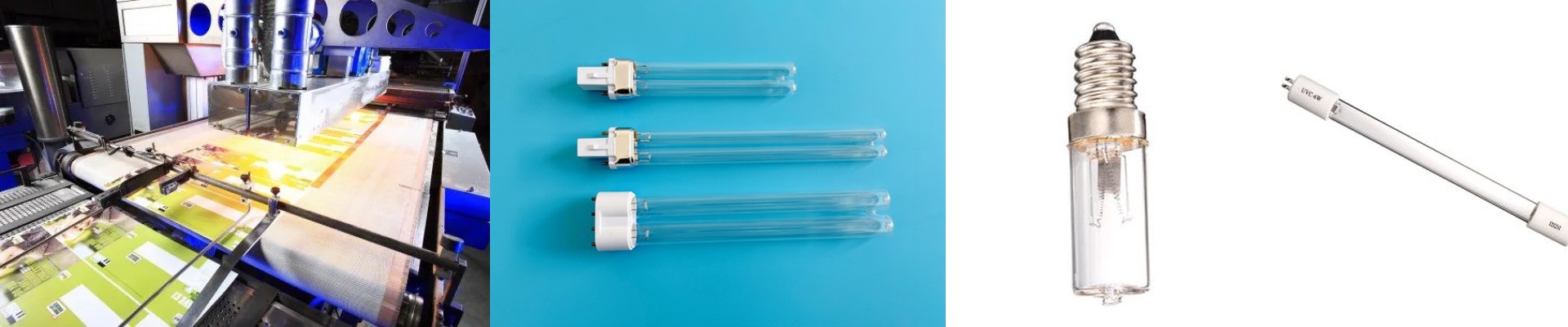
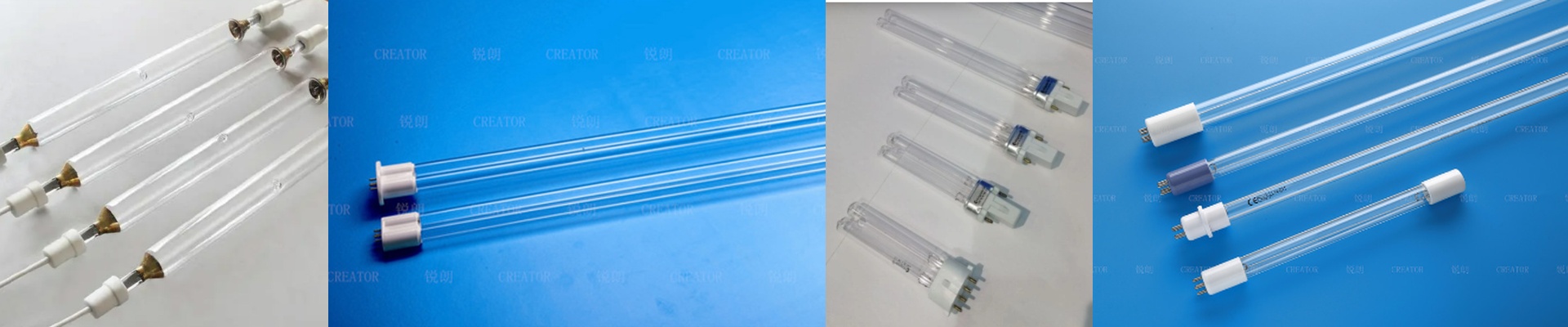
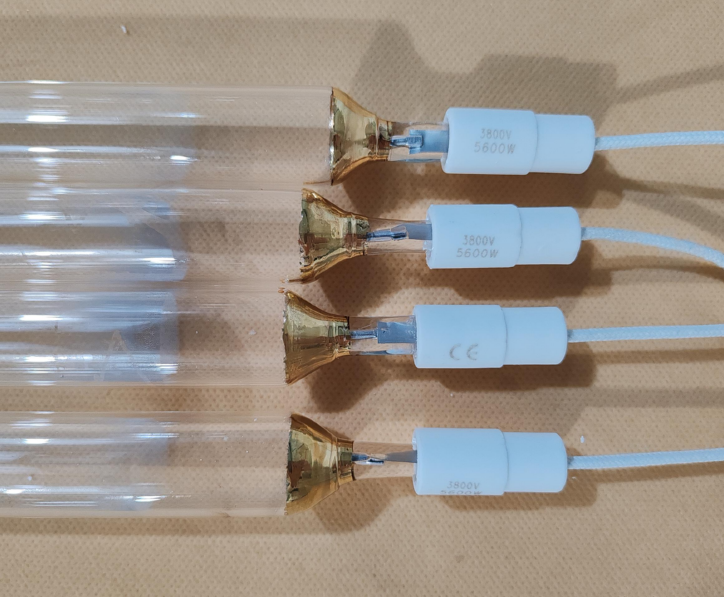
We built these UV lamp modules because we were tired of seeing the same nightmare happen in print shops: mercury tubes burning out right in the middle of a high-speed run. When we showed them off at the 2026 Printing Exhibition, we didn’t bother with the flashy sales pitch. We just talked about how to actually make these tubes last. Here’s the deal with why tubes usually die. Most of the time, it’s just the electrodes wearing down or the quartz giving up. To fix that, we used high-purity synthetic quartz. It stops that cloudy “solarization” look from taking over. We also tweaked the mercury pressure and the electrode alloy to stop the sputtering that usually ruins the glass. The result? Your UV output stays steady from one end of the tube to the other. No more “cold spots” leaving parts of your cure unfinished. But a tough tube doesn’t mean much if the housing is basically an oven. We designed the reflectors to push as much UV light as possible straight onto the substrate, while keeping the power balanced so you don’t get those nasty hotspots. One quick heads-up, though: check your chiller. If your cooling system can’t keep up with the wattage, these tubes will wear out faster, no matter how well they’re made. It’s all about the heat. If you’re running PET or synthetic materials at top speed, you know the struggle of constantly tweaking the voltage just to keep the ink setting. These modules are drop-in replacements for your current arrays, and they keep the arc stable. It takes the guesswork out of the shift. You just get a steady cure, every single time. We built these for the 24/7 grind. Because when you’re in the middle of a massive production run, a few hours of downtime costs way more than the hardware itself.