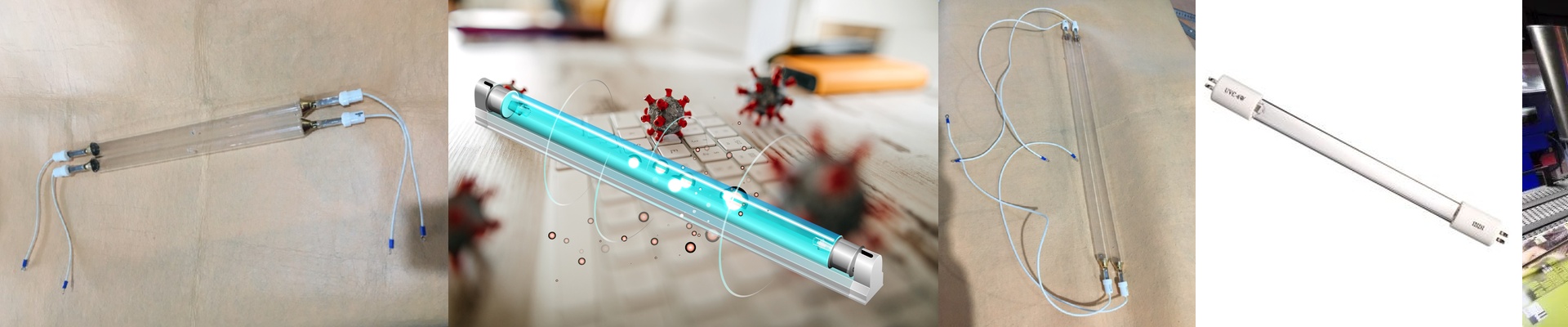
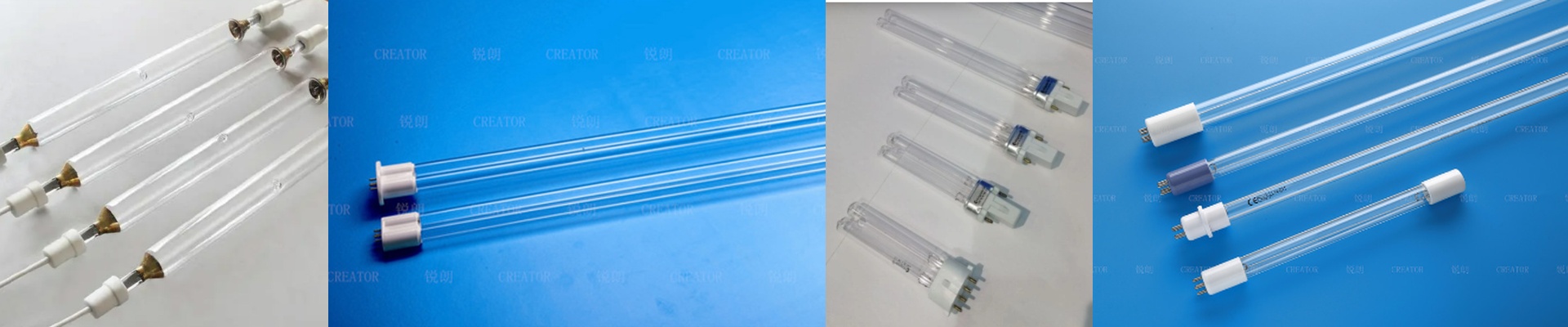
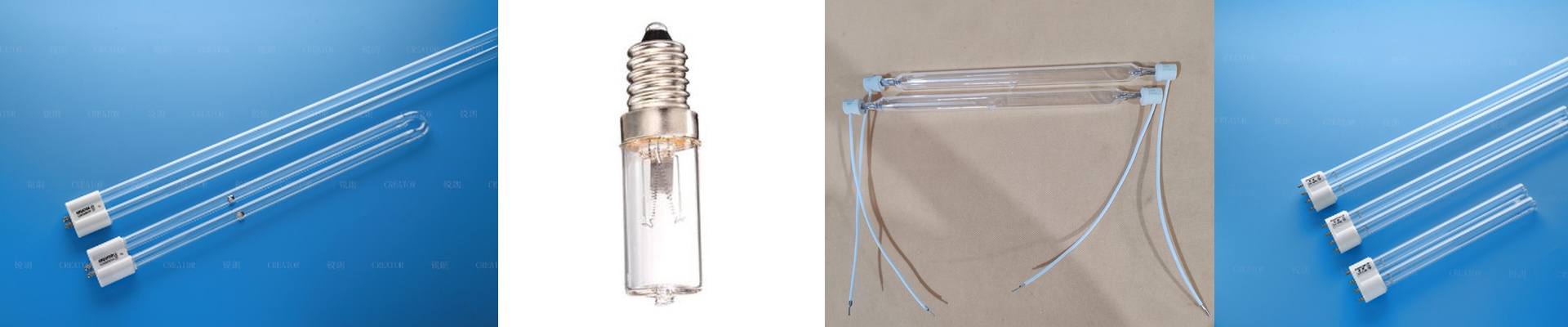
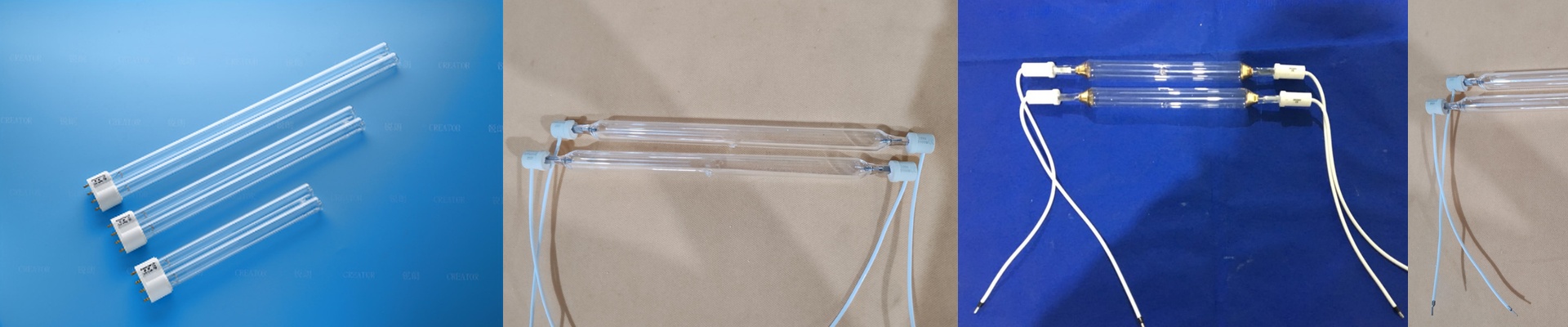
Let’s Talk About Mercury UV Bulbs
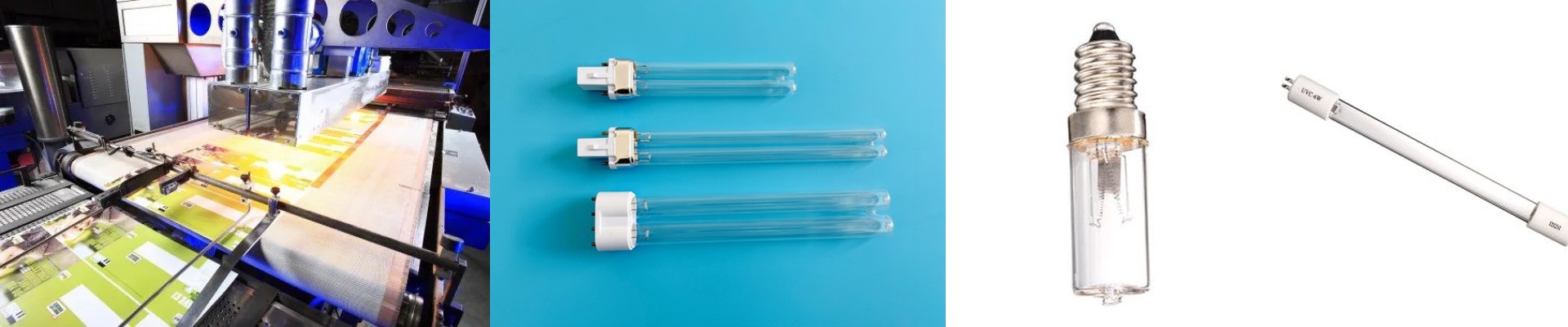
Ever wonder how liquid ink turns into a rock-solid finish in the blink of an eye? It all comes down to high-energy photons. We build our mercury bulbs to handle that heavy lifting, turning electricity into short-wave UV radiation that freezes your resins into solid films in milliseconds. It’s fast. Really fast.
What’s happening inside the glass?
Inside the bulb, we’re working with mercury vapor discharge. By ionizing that gas, we get a concentrated blast of radiation—mostly in the UVC and UVB ranges. This is the “magic” that snaps the chemical bonds in your ink’s photoinitiators. But here’s the thing: your voltage has to be spot on. If it’s off, you’ll start seeing those annoying stripes or patchy spots where the ink just didn’t cure. Nobody wants to scrap a whole run because of a voltage dip.
Dealing with the heat
We use high-purity fused quartz for the outer shell. Why? Because regular glass would just block the UV light—or worse, it would melt. These bulbs gethot. When you cram that much wattage into such a small space, the quartz has to take a beating from the thermal expansion. This is where your cooling setup comes in. Whether you’re using fans or water jackets, make sure they’re actually doing their job. If the bulb overheats, the quartz softens and your electrodes burn out way sooner than they should.
Keeping things running
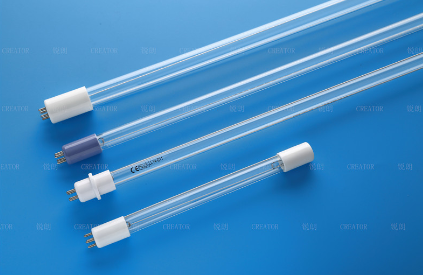
We designed these to be simple drop-in replacements for your standard UV arrays. We spend a lot of time on the electrode integrity because nobody likes a flickering lamp during start-up. Now, a heads-up: your UV intensity will drop as the bulb ages. It’s just physics; the mercury eventually depletes. The best way to handle this is to keep a close eye on your run-hours. Swap them out before your cure rate dips, otherwise, you’ll be staring at uncured, tacky ink on your production line. One last tip: make sure the bulbs are seated perfectly in the sockets. Any little gap can create an arc, and that’s a quick way to fry the ends of your lamp.