Getting the Most Out of Your Mercury UV Curing
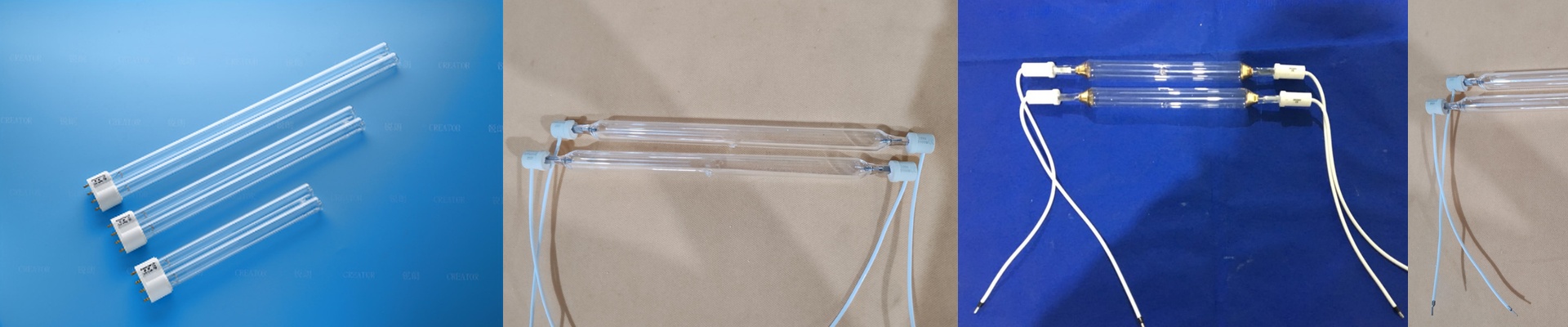
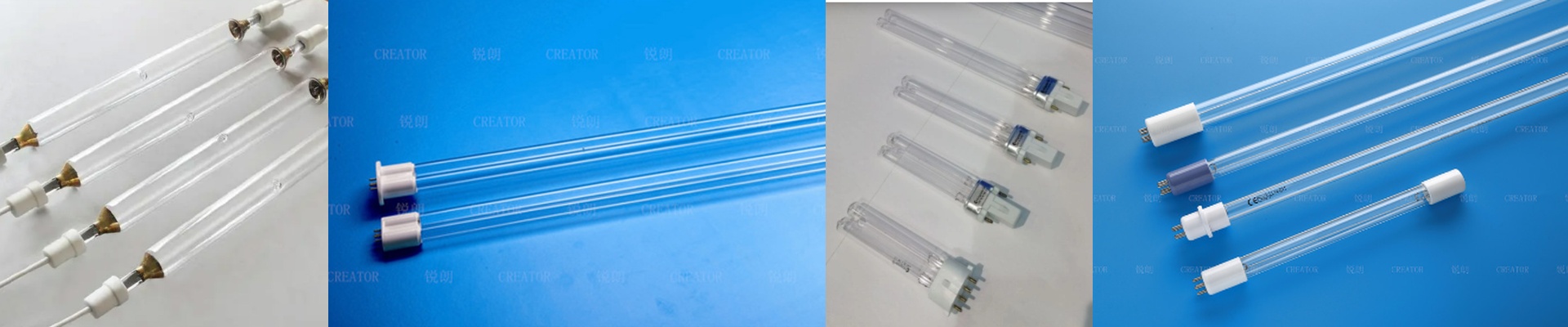
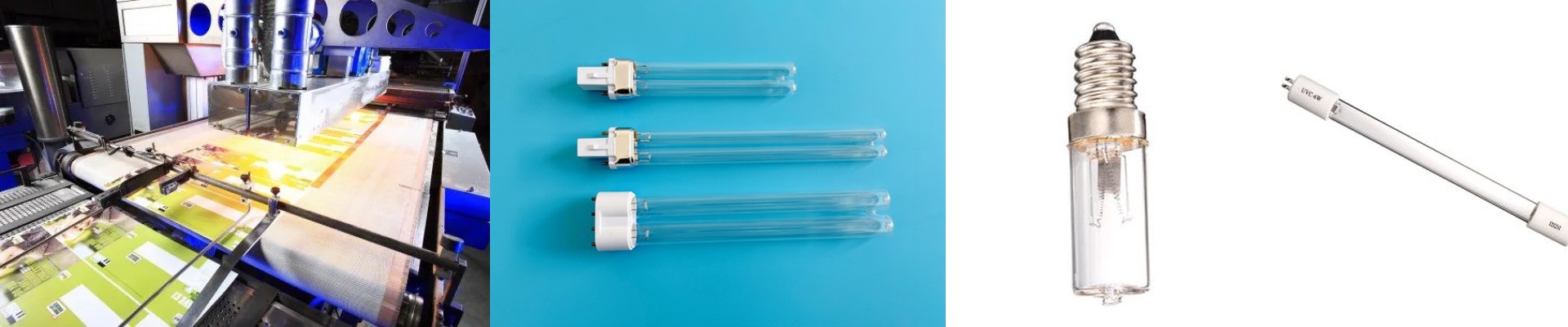
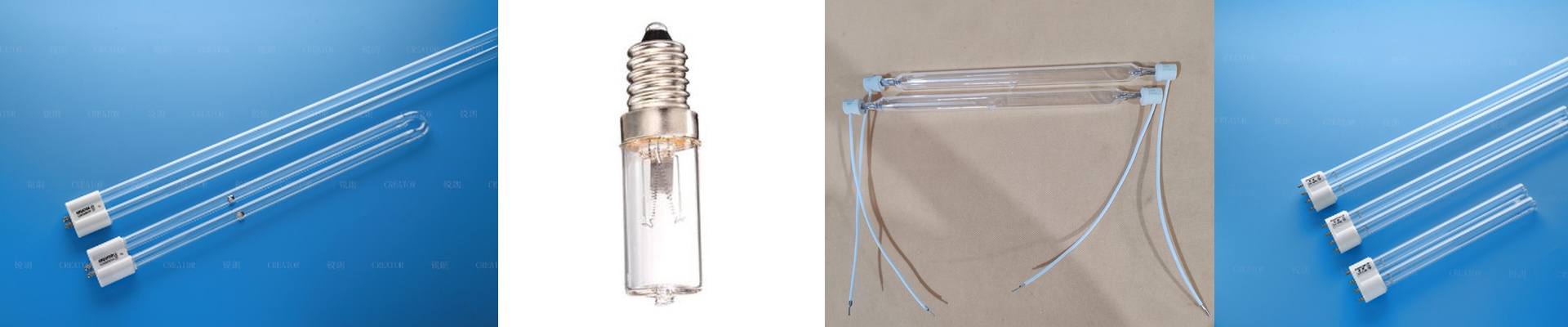
Let’s talk about how these mercury UV bulbs actually work. At their core, they’re pretty simple: an electric arc jumps between two electrodes inside a quartz tube filled with mercury vapor. This creates a blast of high-intensity UV light that hits your ink and triggers a chemical reaction, turning liquid resin into a solid film almost instantly. It’s the secret sauce that makes high-speed digital textile printing possible. Finding the Sweet Spot These lamps don’t just hit one note. They put out a broad spectrum—mostly peaking at 254nm, 313nm, and 365nm. Each of those wavelengths digs into the ink at a different depth. The trick is getting the wattage and voltage just right. You need enough energy to cure the ink, but not so much that you scorch the fabric. It’s a delicate balance. If you crank up the power to speed up your line, you might end up with heat damage or shrinkage. On the flip side, if your conveyor moves too fast for the lamp, you get “under-curing,” and the ink just won’t stay put. Dealing with the Heat We use high-purity fused quartz for the tubes because it lets the UV rays through without soaking them up. It also handles the extreme heat of the arc. But here’s the thing: these tubes take a beating. The constant heating and cooling can be brutal on the glass. To keep them from cracking, give them a steady warm-up period. Don’t just slam them on full blast. And yeah, these bulbs get hot. A lot of that energy comes off as infrared heat. To handle this, we suggest using reflectors to bounce the UV light back down onto the fabric and keeping a solid cooling system in place. It keeps the bulb’s surface temperature where it needs to be. Setup and Upkeep These are designed to be simple drop-in replacements for your current UV stations. Just a heads-up when you’re wiring them: make sure your ballast matches the lamp’s voltage. If they’re mismatched, you’ll burn through your bulbs way faster than you should. As for when to swap them out? Keep an eye on the UV output. Once the intensity dips below what your ink chemistry requires, it’s time for a new one. Simple as that.