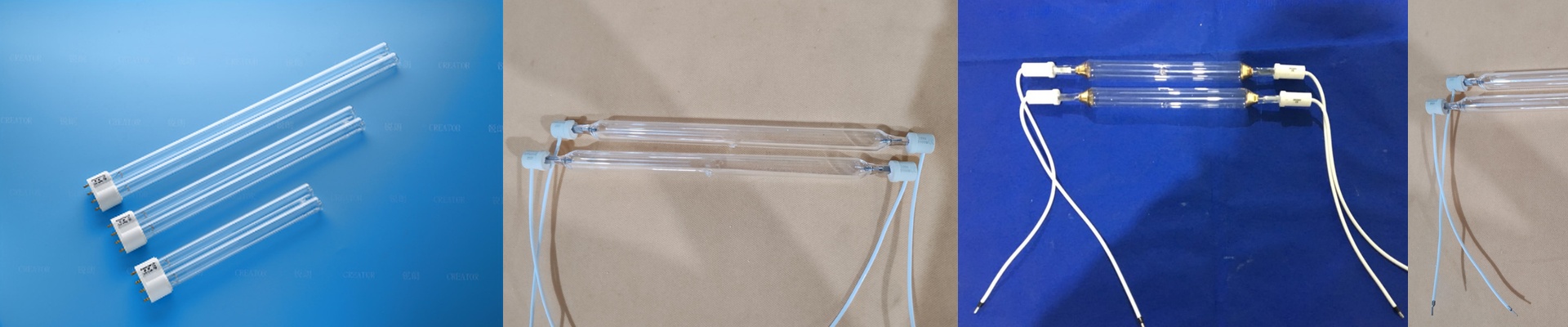
Let’s Talk About CE Certification for Mercury UV Bulbs
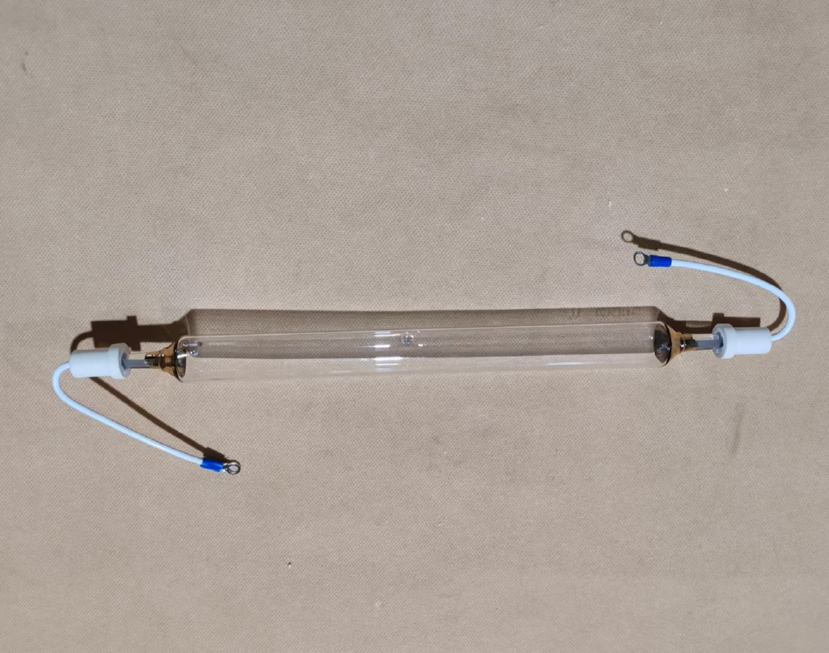
When you look at a mercury UV curing bulb, it looks like a simple glass tube. But under the hood? It’s a different story. We’re dealing with high-voltage arcs and shortwave radiation to get those polymers to bond. Building these isn’t as simple as just pouring mercury into quartz. We’re juggling heavy electrical loads and some pretty nasty materials. That’s why CE certification matters. It’s not just some hoop we jump through for a sticker; it’s the baseline that keeps everything from going sideways. The electrical side of things These lamps pull a lot of current. If the insulation is sloppy or the ballast doesn’t play nice with the bulb’s impedance, you’re looking at a potential electrical fire or a complete equipment meltdown. That CE mark is basically a promise that the lamp follows the Low Voltage Directives. For you, that means the bulb won’t fry your circuits or leak electricity into the machine frame. Plus, if you’re selling in Europe, you can’t even get through the door without it. Most factory insurance providers won’t even look at a setup using non-certified parts. It’s just too risky. Dealing with the messy stuff Mercury is toxic. Period. The CE process makes us prove exactly how we seal the quartz and handle the fill. It also covers RoHS standards, which is a fancy way of saying we aren’t using restricted, hazardous junk in the electrodes or supports. It keeps the workplace safer for everyone. The price of doing it right Here’s the honest truth: getting certified costs money. It takes a lot of testing and a few stressful audits. Because of that, some cheap suppliers just skip it to undercut the price. You might save a few bucks upfront, but you’re gambling. Without that certification, your lamp could create electromagnetic interference (EMI) that messes with other electronics on your line. Imagine your UV system triggering a random fault in a nearby PLC, bringing your entire production line to a grinding halt. That’s a nightmare. We stick with the certification because we want these bulbs to be a simple drop-in replacement. You plug them in, they work, and you can get back to your day without worrying if the whole system is about to crash.