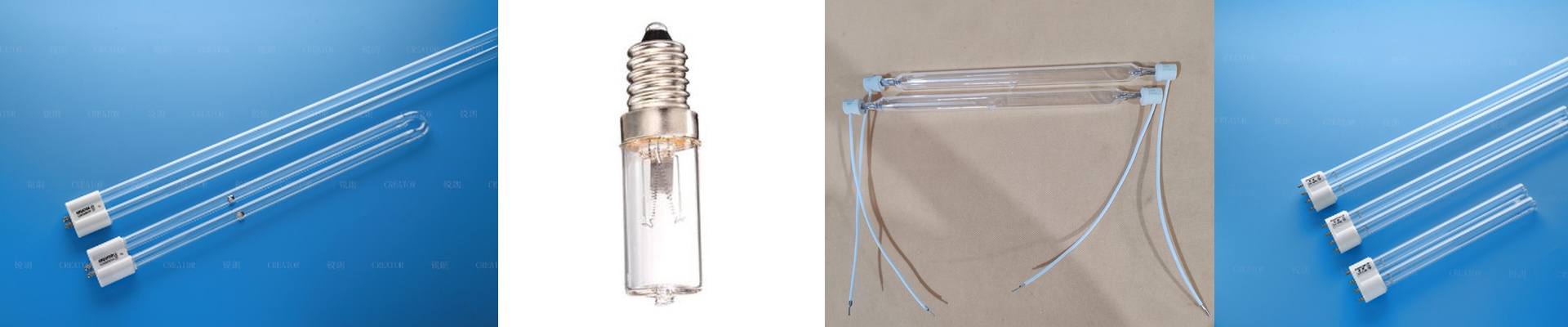
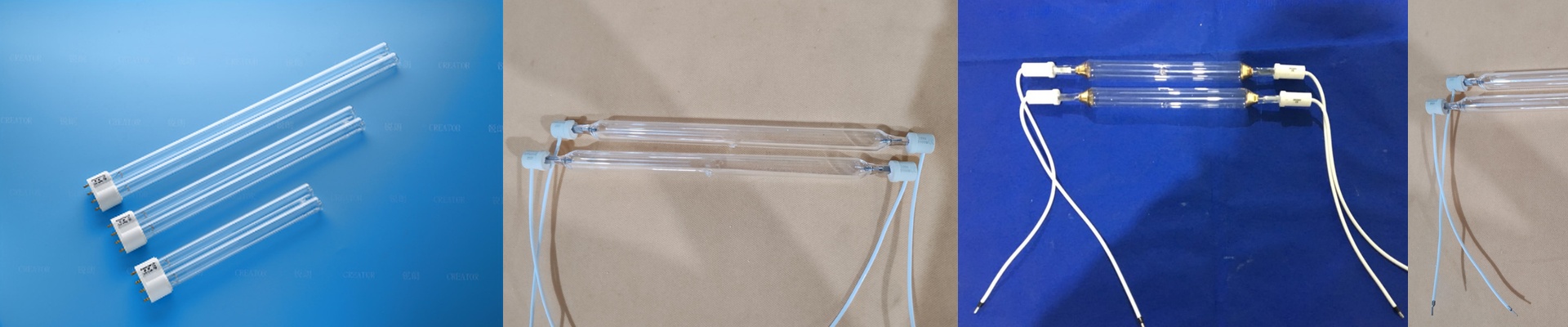
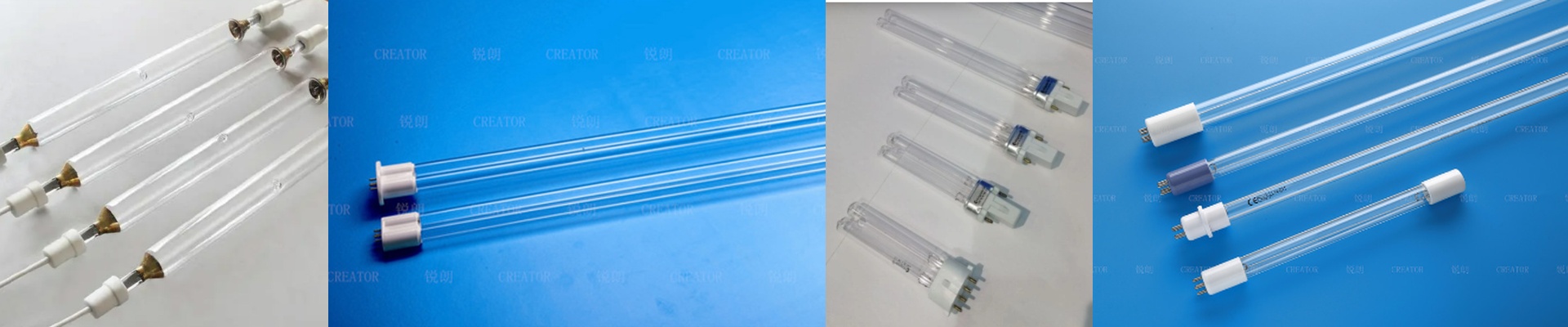
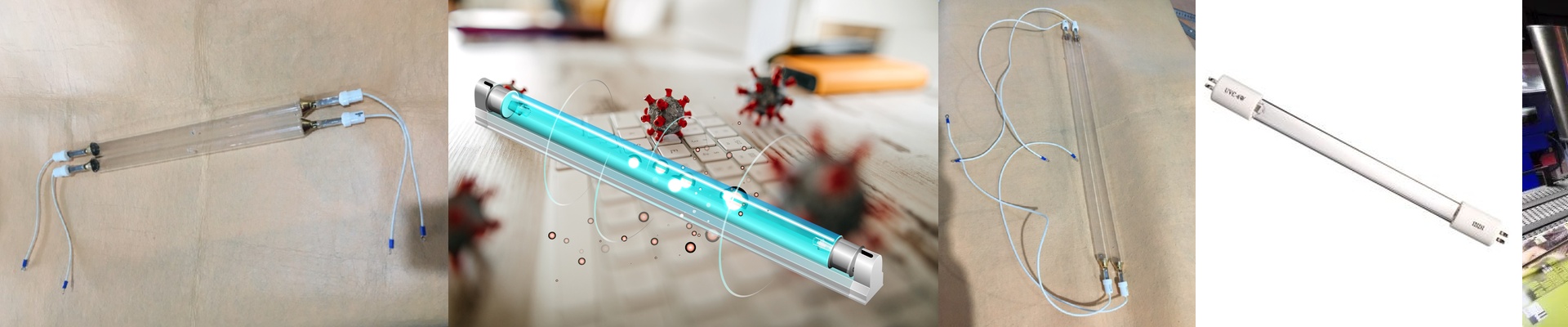
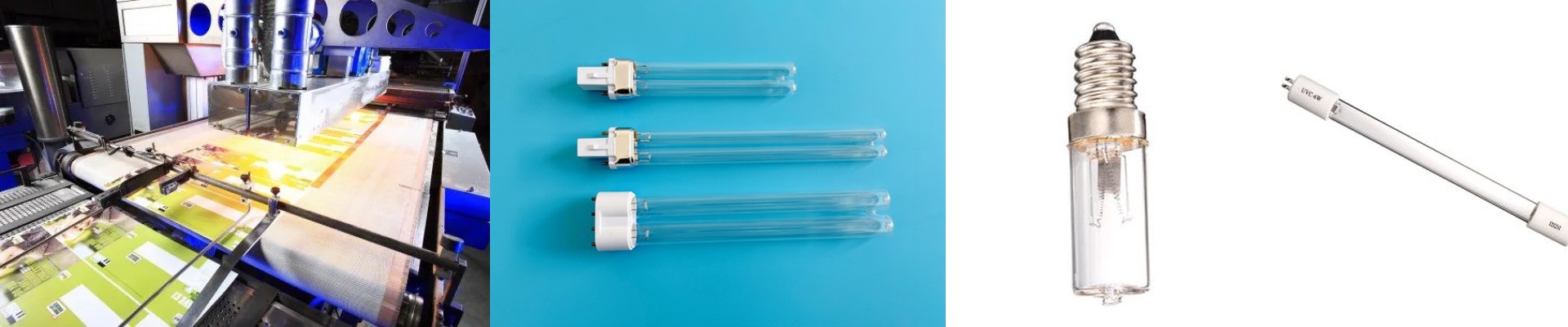
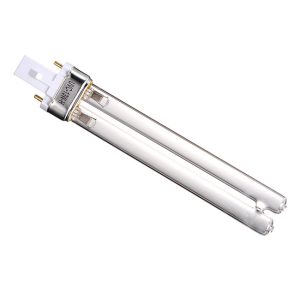
On the press floor, a UV lamp that won’t strike isn’t just downtime. It’s scrap, it’s solvent flash, and it’s a mad scramble to hit the delivery. More often than not, the problem isn’t the lamp alone or the trigger alone—it’s the pairing. I’ve seen it a hundred times: a trigger spec’d for 200W ignition hammering a 120W lamp, or a long-arc lamp dropped into a reflector bay that expects a compact arc. The result is repeated start attempts, electrode erosion, and a lamp that dies early. What matters, electrically UV germicidal and curing bulbs need a matched electrical envelope. With mercury vapor lamps, the trigger has to clear the lamp’s cold striking threshold—typically 3–5 kV open-circuit voltage—while still keeping current in check to protect the electrodes. Arc length has to line up with power density. A 150 mm arc at 120W/cm won’t act like a 200 mm arc at 120W/cm. Spectral output is set by the fill. You want 365 nm for deep cure through thick ink films, and 385–405 nm when the photoinitiators are tuned to longer wavelengths for surface cure. Peak irradiance and dose (mJ/cm²) come down to lamp power, reflector efficiency, and dwell. A well-kept 120W/cm system will land around 1,000–1,200 mW/cm² peak irradiance at the web. Why the pairing has to be press-specific Offset, flexo, screen, and gravure presses all run different ink rheology and web speeds. We size lamps and triggers to the job. Go 60W/cm on thin offset films, 120W/cm on flexo with dense color blocks, and 200W/cm when screen deposits are thick. Get that match right and you get instant strike, stable output, and cure energy that stays consistent across the sheet. Operators see fewer under-cure rejects, lower energy draw because start surges drop, and lamp life that follows the curve—around 800 hours at 80% output for a properly matched medium-pressure mercury lamp. Field realities that bite if you ignore them Installation isn’t plug-and-play across brands. Check connector type, lead length, and polarity. Ozone-free quartz sleeves and dichroic reflectors shift thermal load, so airflow needs retuning; overheating knocks out spectral stability and shortens lamp life. Measure output with a radiometer—never by feel. If your trigger is fixed and you have to change the lamp, match arc length, power density, and cold-start voltage. Don’t mix short-arc and long-arc profiles in the same reflector bay.