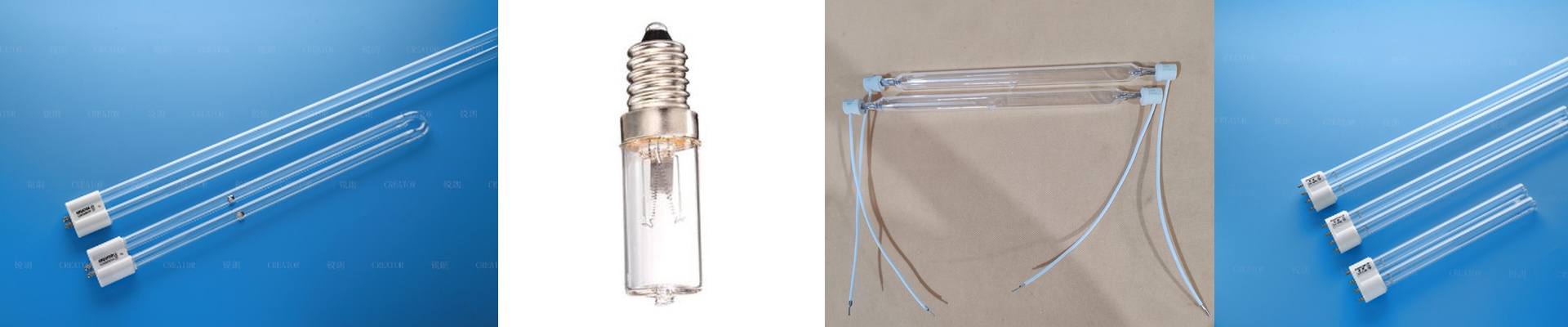
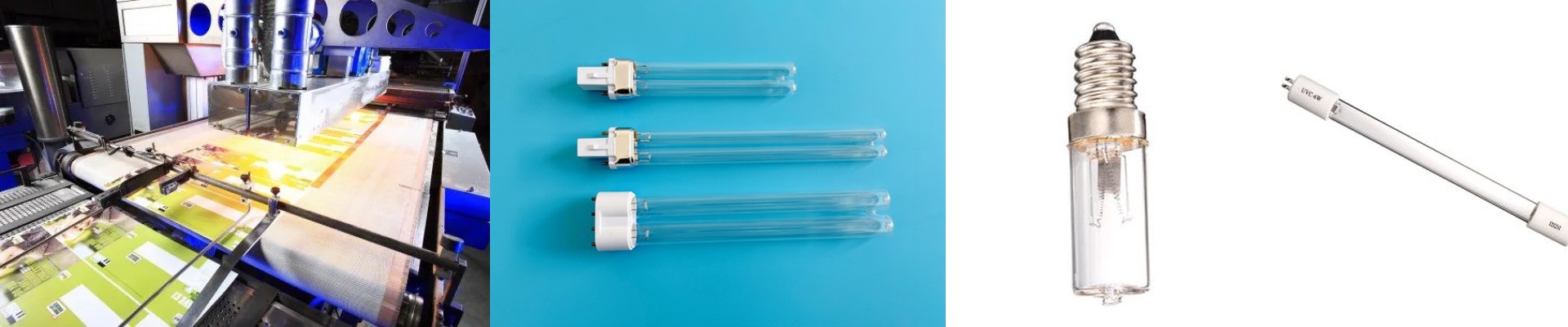
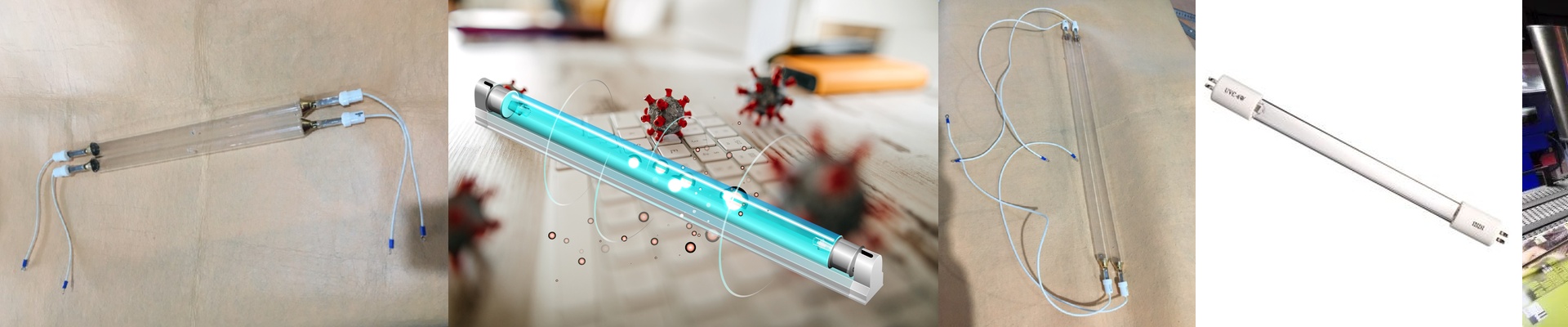
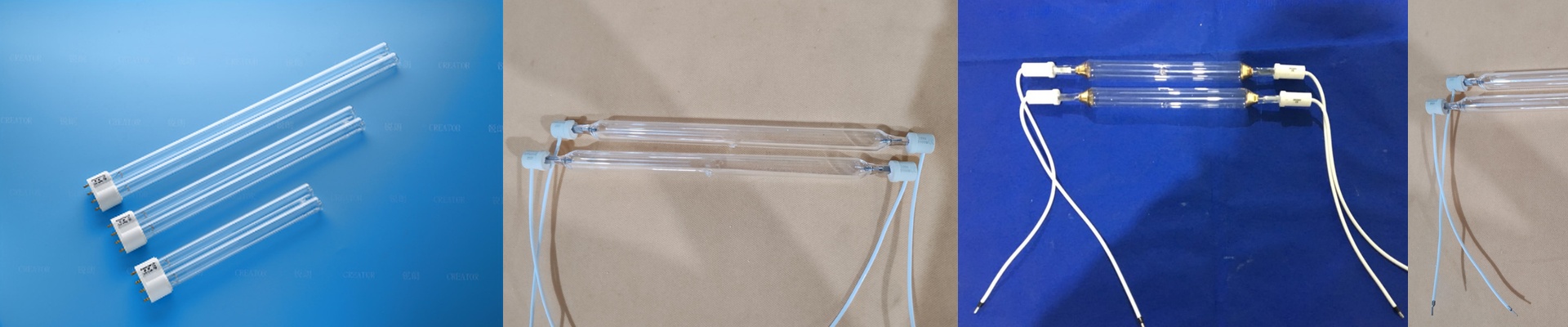
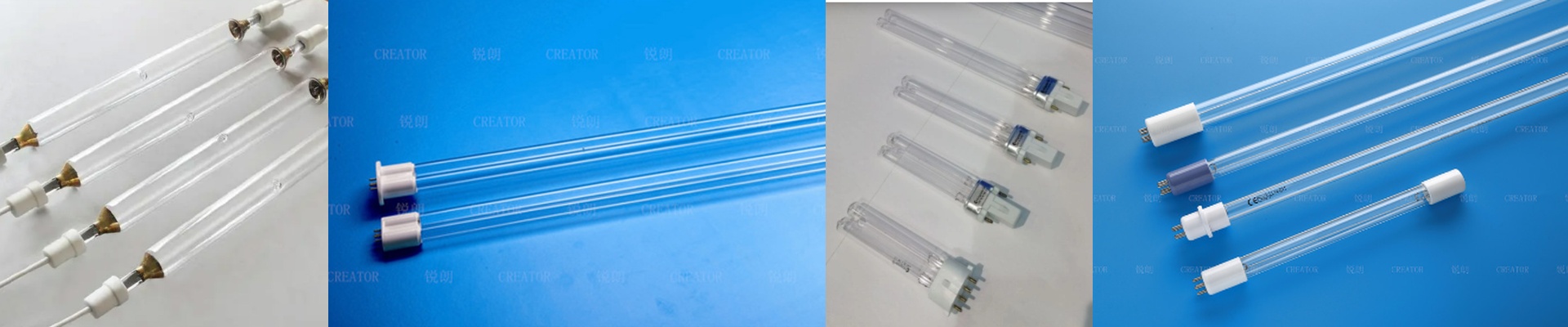
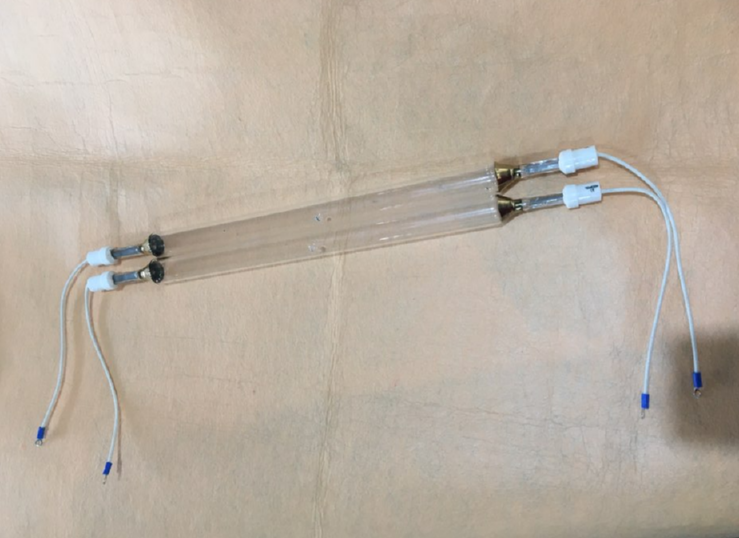
On a premium streetwear run, the press is moving, and the color bar is locked. A weak cure shows up fast—cyans that go dull, magentas that turn muddy, and opacity that drifts on dark grounds. It’s not just the ink. It’s the lamp’s spectral output and whether the irradiance stays stable across the web. What matters under the hood When we build replacement mercury lamps for printers, we focus on two things: controlled spectral output and repeatable energy delivery. You need a stable peak in the 365–395 nm band to match what the photoinitiators are actually absorbing—not some broad, wasteful spread. Peak irradiance holds across the substrate, and curing energy density stays in a tight window, so dot gain and color density stay predictable, run after run. We keep output variance under 3% over the first 2,000 hours, and total lamp life targets 8,000–10,000 hours with low decay. The reflector uses a dichroic coating tuned to the target wavelength, which cuts IR heat and keeps substrate temperature steady. Ozone-free quartz envelopes mean less maintenance and a cleaner curing zone. Why this matters on the floor High saturation only happens when the ink fully cross-links—without cooking the substrate. Stable spectral output gives you consistent ink film cure, so Pantone matches hold from the first sheet to the ten-thousandth. You also get faster cycle times because the lamp starts instantly and holds intensity at line speed. Energy draw drops because the reflector and lamp efficiency are matched. Fewer lamp changes mean less downtime and fewer color recalibrations. A few practical details Match the lamp to the printer’s arc length, watt density, and reflector geometry. A mismatch flattens peak irradiance and leaves surface tack. Confirm connector type and cooling requirements. Measure cure with a radiometer—track mJ/cm² and peak irradiance right at the substrate plane—and log lamp hours so you can plan end-of-life. Handle with clean gloves. Fingerprints on the quartz will distort output and shorten life.