Getting Your UV Curing Right: The Stuff That Actually Matters
When we talk about UV curing for inks and coatings, people often think it’s about heat. It’s not. It’s actually about hitting the right spot with photons to snap chemical bonds together. It’s a wild process—one second you’ve got liquid ink, and a few milliseconds later, it’s a rock-solid, durable film.
It all starts with the glass
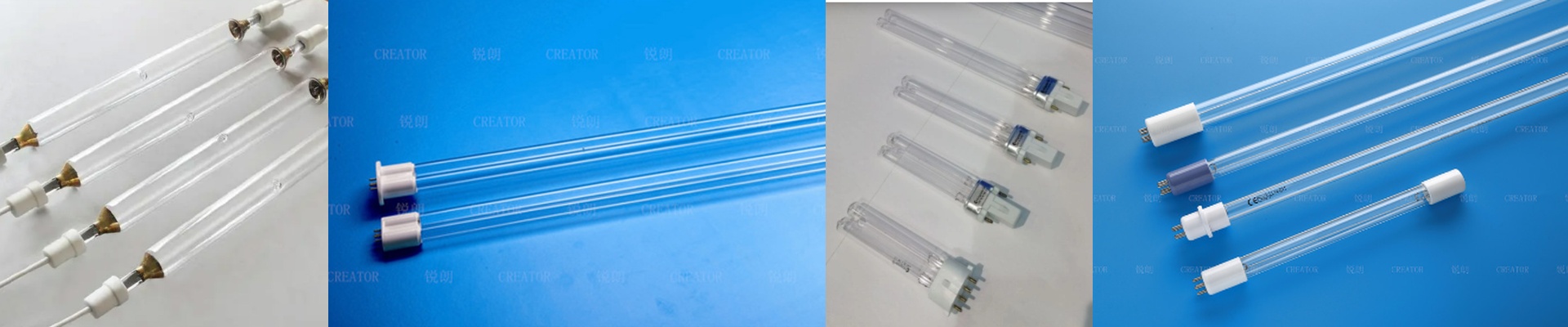
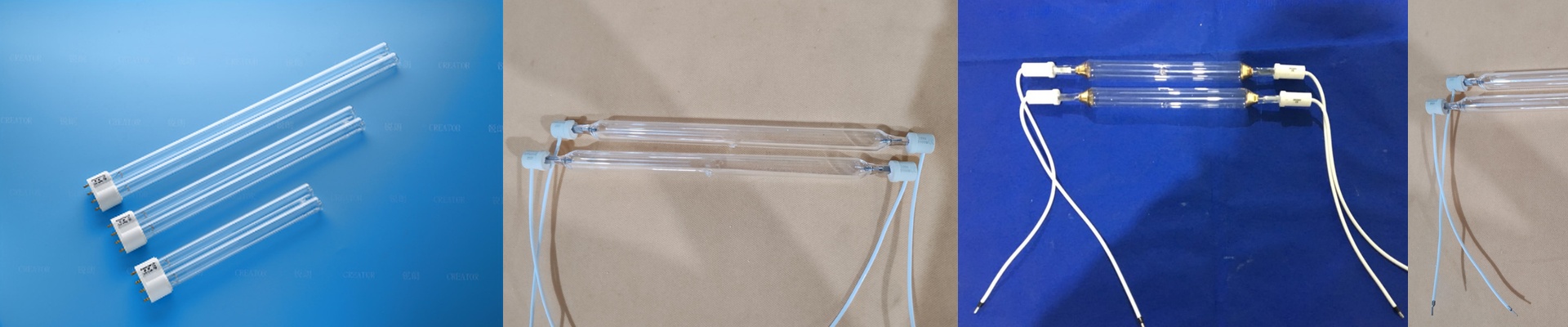
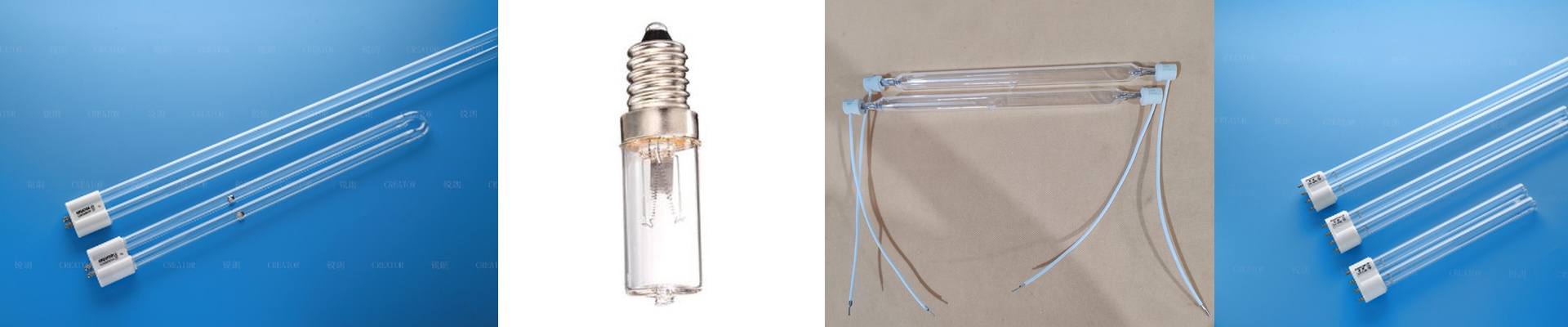
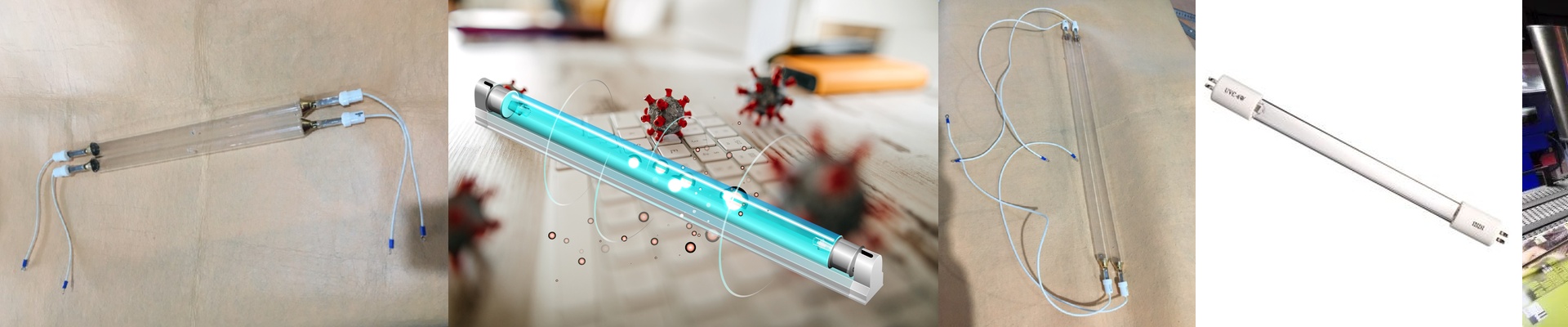
Here’s the thing: a UV lamp is only as good as the quartz tube holding it. If that glass isn’t pure, it basically acts like a sponge, soaking up the shortwave radiation instead of letting it through. That’s a double whammy—your lamp runs way too hot, and your curing speed tanks. We use high-purity fused quartz to stop that from happening. Depending on what you’re doing, we tweak the light. If you’re sterilizing equipment, we aim for that 254nm peak to fry microbial DNA. If you’re printing, we shift the spectrum so it plays nice with the photoinitiators in your ink.
The balancing act: Power vs. Heat
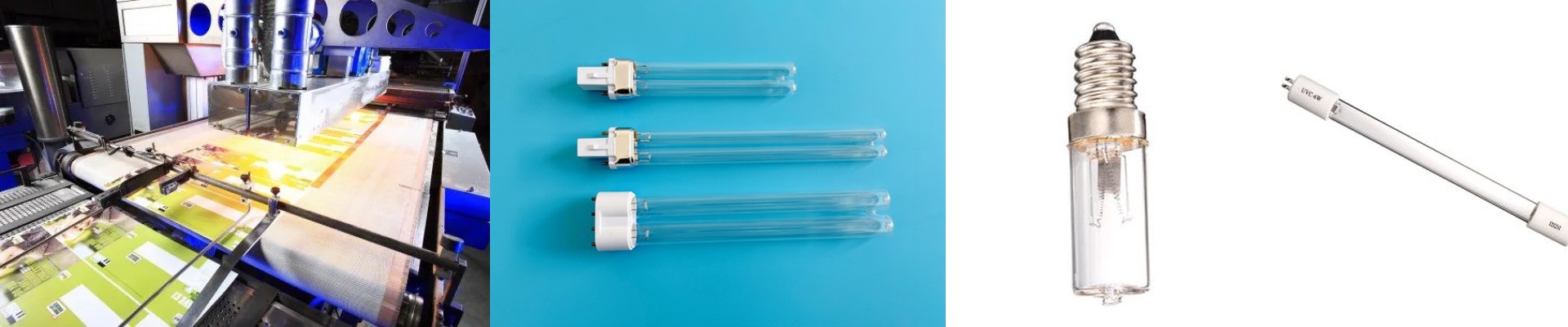
We usually talk in terms of irradiance (mW/cm²), but in plain English, that’s just about how much “punch” the light has. If you’ve got a high-speed conveyor, you need high-wattage tubes to keep up. But there’s a catch. More power means more heat. If you crank up the wattage without a solid cooling system, you’re asking for trouble. You might scorch your material or just burn out the lamp way too early. You have to find that sweet spot between how fast your line is moving and how much power you’re pumping out. Otherwise, you’ll end up with a surface that looks dry but has “wet” ink hiding underneath.
Keeping things running smooth
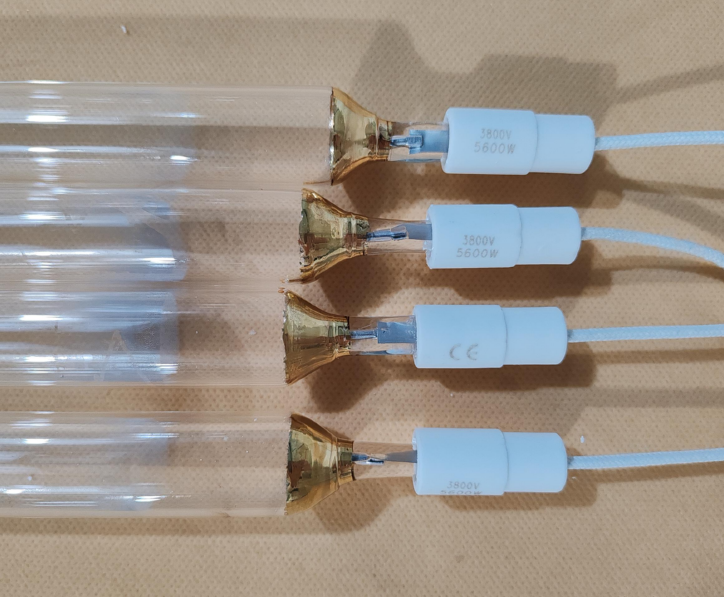
Our lamps are designed to just slide right into your existing arrays without a fuss. We put a lot of work into making sure the arc discharge is stable. Why? Because flickering leads to “striping” on your prints, and nobody wants that. One last tip: keep a close eye on your lamp hours. As the electrodes wear down, the light shifts. It happens slowly, but it happens. I always suggest swapping out the tubes before they hit their official expiration date. It’s the only way to make sure your curing depth stays consistent from the first piece of the run to the last.