Getting Your UV Sterilization and Curing Right
Here is the reality: industrial UV systems usually fail for one simple reason. The power drops just enough that the chemistry stops working. Whether you’re trying to kill microbes or get a coating to harden, if you don’t hit that magic threshold, your whole line grinds to a halt. That’s why we build our lamps to hit exact wattage-per-centimeter targets. No guessing. Just consistent power so your production keeps moving.
Let’s talk power density
This is where things usually go sideways. A lot of engineers try to cram too much wattage into a tube that’s too short. It sounds like a good idea until the heat becomes an issue. We spec our lamps to keep the arc stable without frying the electrodes. But a heads-up: if you’re running these at full blast, your cooling fans or water jackets need to be up to the task. If the quartz envelope gets too hot, your UV output will dip. Simple as that.
The gear inside
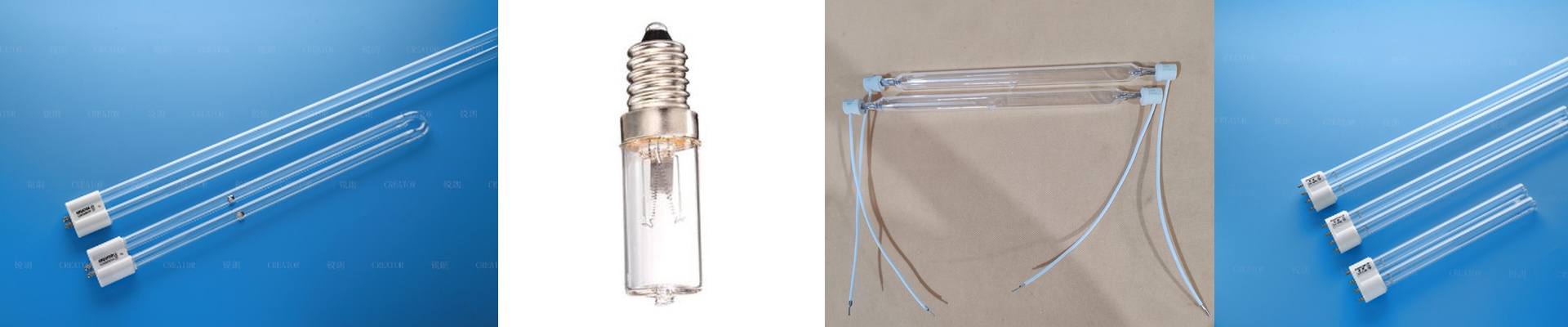
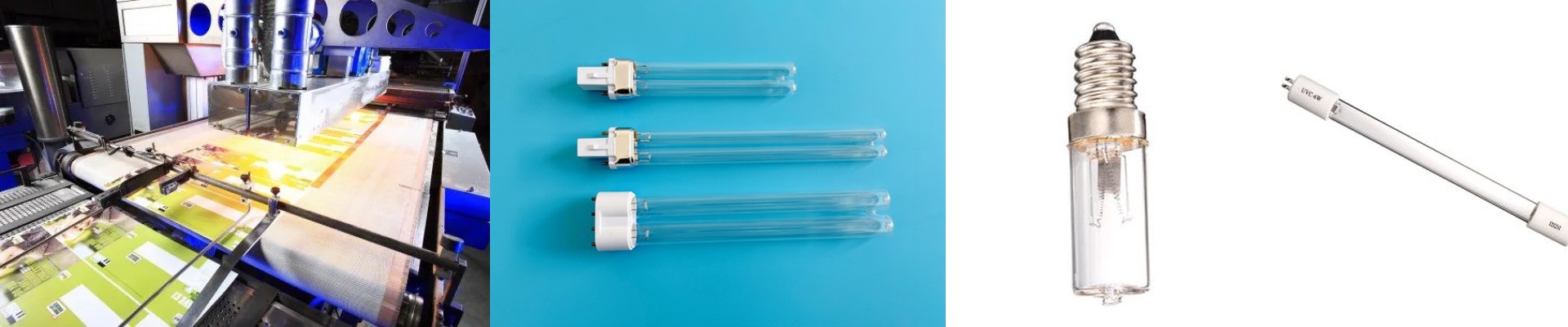
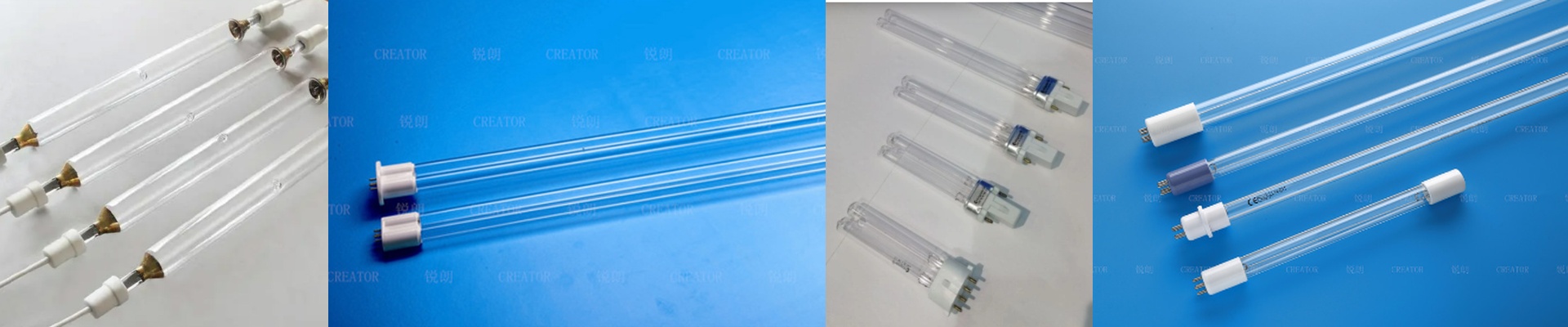
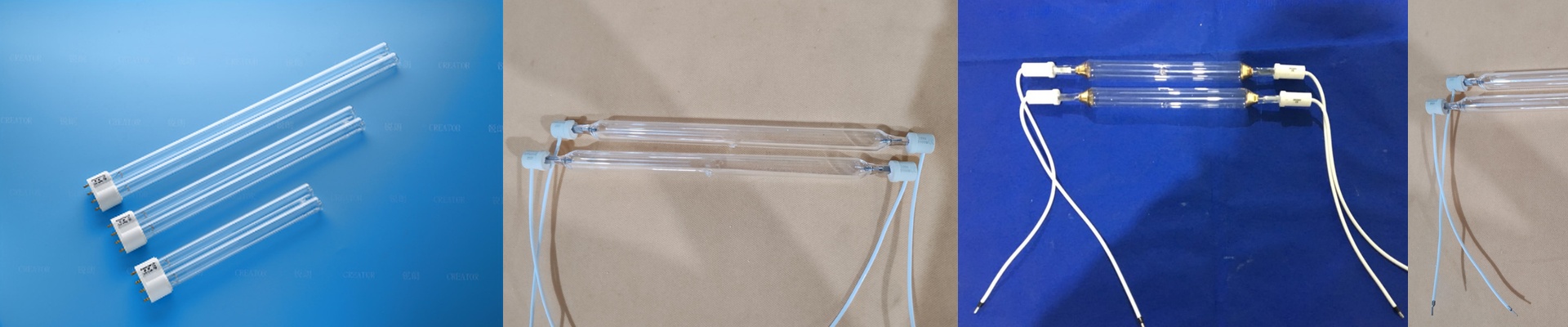
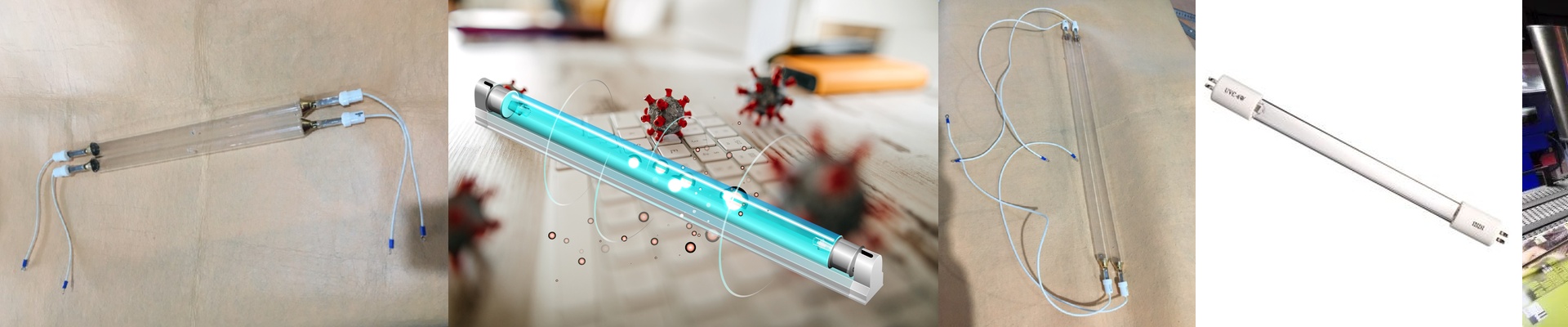
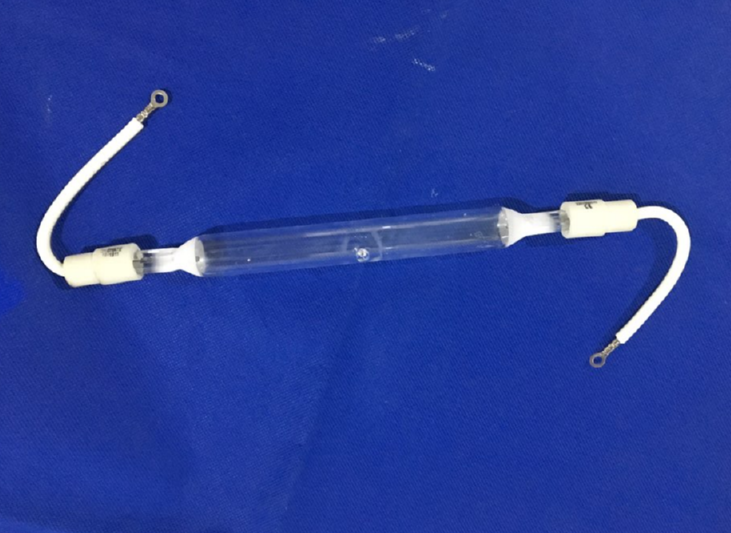
We use high-purity fused quartz because standard glass is basically a wall—it blocks the shortwave radiation you actually need for sterilization. We also add coatings that bounce internal losses back toward your target. It’s a clever way to get more punch out of the lamp without pulling more current from your power supply. Plus, we use standard connectors. You can just drop these into your current setup. You won’t have to spend your weekend rewiring a control cabinet.
Making it work in the real world
Distance is everything. If the gap between the lamp and your product shifts even a little, your UV dose changes. We don’t do fluff or vague promises. We measure everything in mW/cm². We’ve benchmarked our gear against the biggest names in the industry, and we’re confident. In fact, if your microbial kill rate or adhesion doesn’t match the “big guys” at the same price point, we’ll give you your money back. It’s that simple.