Making UV Bulbs That Actually Last (And Don’t Trash the Planet)
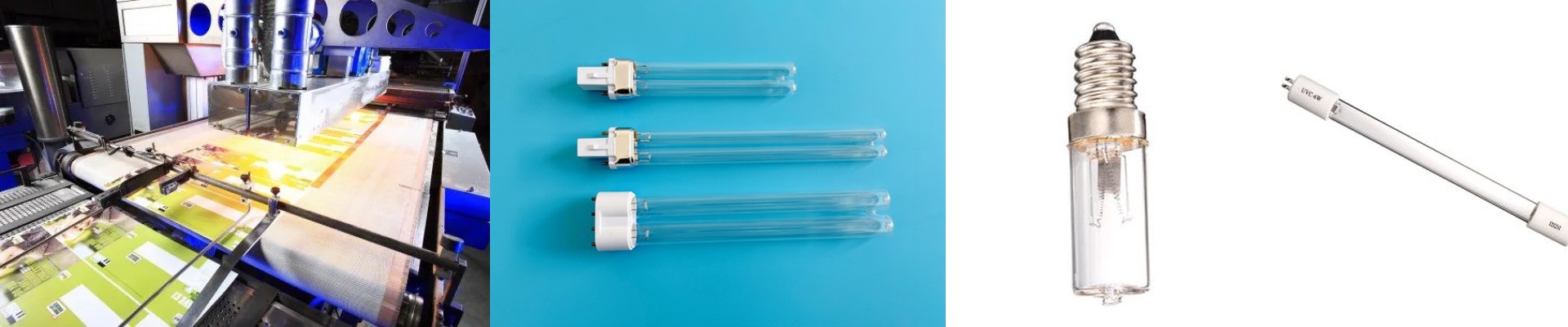
Let’s be honest: standard mercury UV bulbs are the unsung heroes of the factory floor. They do the heavy lifting, curing inks and coatings in a flash so you don’t end up with sticky, unfinished products. But for a long time, the trade-off was a lot of waste.
The heat struggle
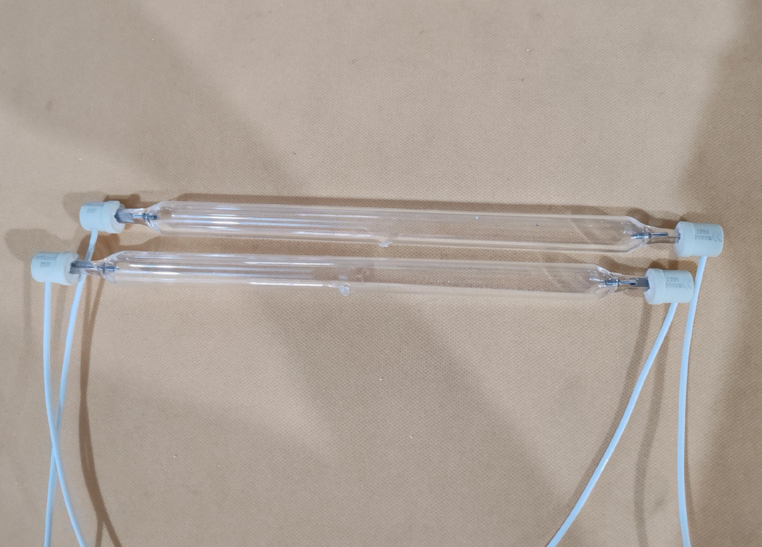
Here is how it works. We use high-pressure mercury vapor to get that UV radiation. Now, there’s a bit of a balancing act here. If you crank up the current to get more intensity, you’re also cranking up the heat. That heat puts a massive strain on the quartz glass. If your cooling fans aren’t up to the task, the bulb just gives up and burns out. It’s a frustrating cycle.
Better materials, less junk
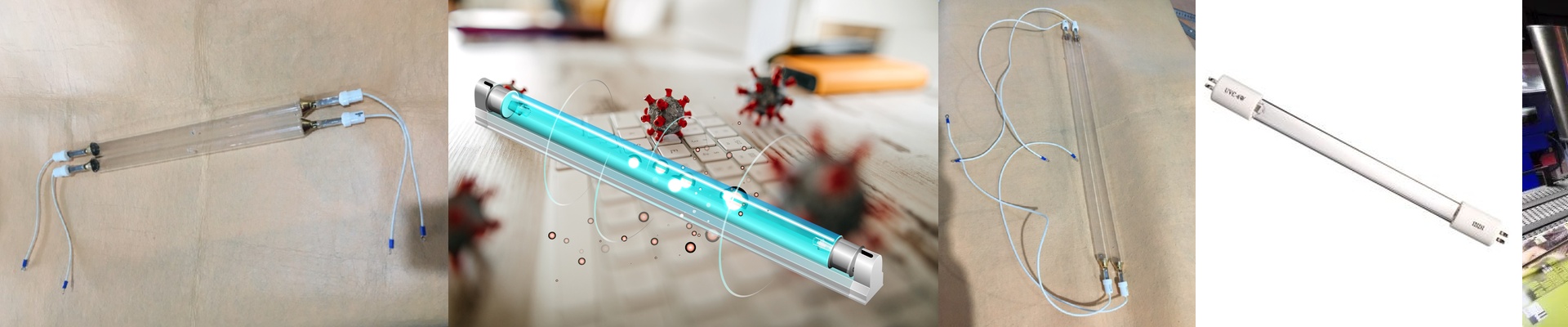
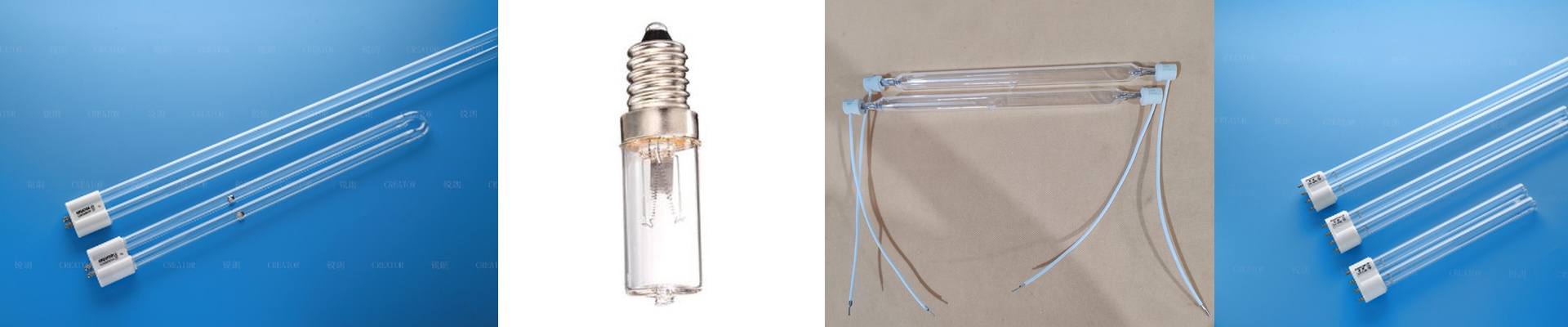
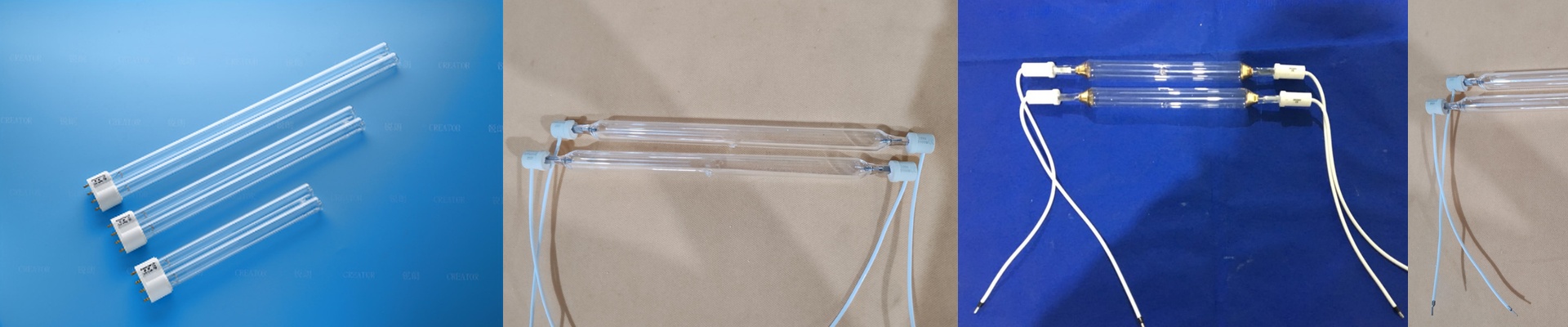
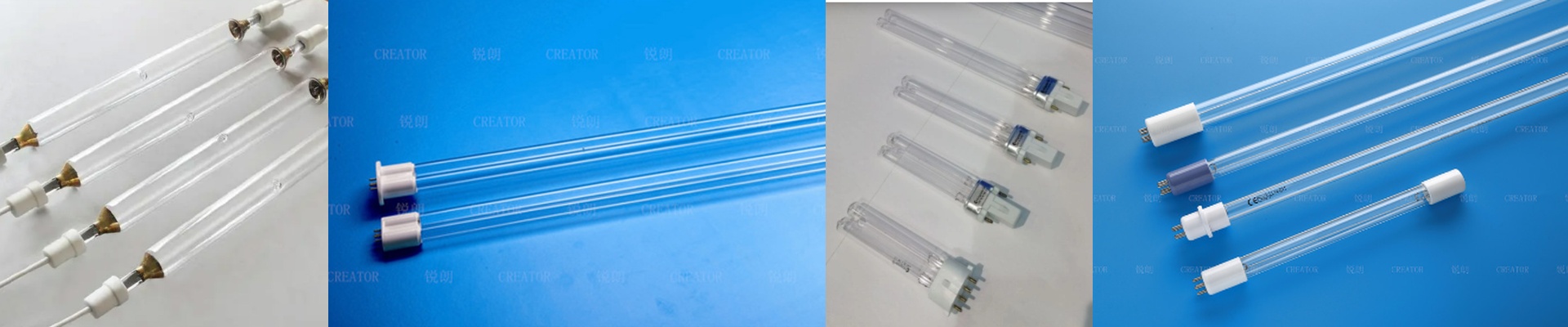
We wanted to stop the cycle of “buy, burn, toss.” To get closer to zero-pollution production, we changed what goes into the bulb. We switched to a high-purity synthetic quartz. Why? Because impurities act like a wall, soaking up the UV light before it ever hits your product. By cleaning up the materials and tightening the tolerances on the electrodes, the bulbs don’t degrade nearly as fast. It’s a win-win. Your bulbs last longer, and fewer hazardous materials end up in a landfill.
What to expect when you plug them in
The best part is that you don’t need to overhaul your entire setup. These are drop-in replacements. You plug them into your current ballasts, and you’re good to go. There is one small catch, though. Because we’ve tuned these for longevity, they don’t hit peak power the exact millisecond you flip the switch. The mercury vapor needs a moment to settle in and stabilize. But once they hit that sweet spot? You get a steady, reliable output. No more constant maintenance stops or worrying if the bulb is about to pop. Your line just keeps moving.